Heba Shaheed Articles

Posts by Heba Shaheed

Pelvic floor muscle injury in labour

Pelvic floor muscle injury in labour

Recovering after 3rd and 4th Degree Tears

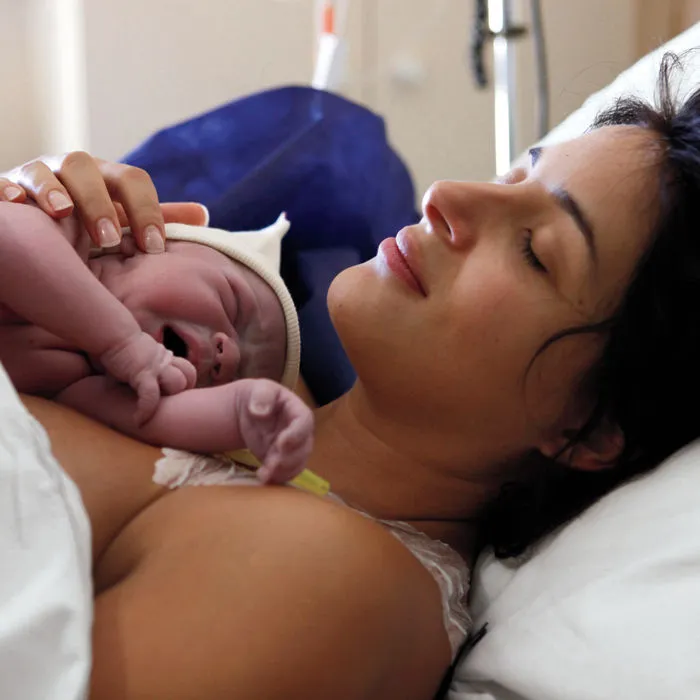
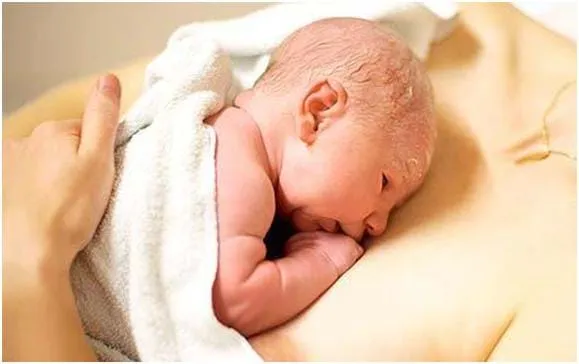
Baby on chest

Unfortunately, during birth, women can experience perineal tearing. The perineum is the area between the vaginal opening and the back passage. A woman can suffer from varying degrees of tearing, with some short term, but also long term effects on pelvic floor function. This can include bowel and bladder issues or ongoing pain. The worse of these tears are called 3rd & 4th degree perineal tears are also known as Obstetric Anal Sphincter Injuries (OASIS), because the perineal tear extends into the anus.

Tear pic

The varying tears are grouped according to the extent or length of the tear:

  • First degree tears — small skin deep tears which heal naturally
  • Second degree tears — deeper tears affecting the muscles of the perineum. These are usually repaired with stitches.
  • Third degree tears — deeper tears that involve the anal sphincter muscles.
  • Fourth degree tears — tears extending further up the anus into the rectum

Some long terms effects of perineal tears and OASIS can include:

  • bowel urgency
  • difficulty controlling wind
  • difficulty controlling bowel matter
  • painful sex

What can I do if I have suffered from a perineal tear?

After 6 weeks, and once the perineal area has healed you can begin to do some exercises to strengthen the area and reduce or prevent anal incontinence. You will usually have a pelvic floor or women’s health physio helping and guiding you along the way, and they will teach you the following exercise types. Mind the anus chat to come!

Pelvic Floor Exercises with an Anal Cue

These anal sphincter muscles need to be retrained as part of your pelvic floor, because the perineal injury can cause them to become lazy or switch off. It is easy to focus on this part of the pelvic floor sling. Lying on your back with a neutral pelvis

  • Breathe in to relax your pelvic floor down.

  • Breathe out as you squeeze and lift your pelvic floor muscles focussing on the anus being pulled up towards your lower back.

  • Breathe in to relax the pelvic floor muscles back down.

  • Repeat 10 times.

  • Repeat another set in active neutral sitting.

  • Repeat another set in active neutral standing.

Cue

Pelvic Floor Elevator with an Anal Cue

You need to be able to control these muscles at different points so that you are able to control your wind and bowel movements and prevent accidental leaks or accidents. Visualise your anal canal (from your anus to your rectum to the centre of the dimples in your lower back) as 3-storey building with an elevator in it.

  • Tighten your anus and pull it up a third of the way — bring the elevator from Ground Floor to Level 1.

  • Tighten your anus further and pull it up two thirds of the way — bring the elevator to Level 2.

  • Tighten your anus as much as you can and pull it up all the way — bring the elevator to the Roof.

  • Slowly release the elevator down to Level 2, then Level 1 and back down to Ground Floor.

  • Repeat 3 times.

Anus Quick Flicks

You need your anal sphincter muscles to get stronger in their fast-twitch fibres and especially down at the exit, to help you overcome or manage bowel urgency. Visualise the anus at the exit of your bottom as a circular muscle. Imagine trying to pull up a pea through the anus just 3 mm and back out again.

  • Do 10 quick flicks as fast as you can in a pulsing manner as you tighten the circular anus closed and release again.

I need more help…

If you have suffered from a perineal tear after birth, it is important to see a trained women’s health physiotherapist as she can help prescribe even more specific exercises, as well as help you to heal from the injury faster.

Women’s health physiotherapists at The Fix Program physios will help you recover from any birth issues, and perineal tears often require gentle scar tissue massage to release the tissues and muscles that can tighten up after tears. If you are experiencing any bowel issues, your women’s health physiotherapist will help you overcome these issues.

Research shows physiotherapy for just 2 months can significantly improve anal sphincter control and strength to minimize or prevent any wind or fecal incontinence. Your physiotherapist will also discuss important bowel habits advice with you and prescribe you individualized exercises.

Read More

Periods and back pain

Periods and back pain

Why does my period make my back and pelvis hurt?

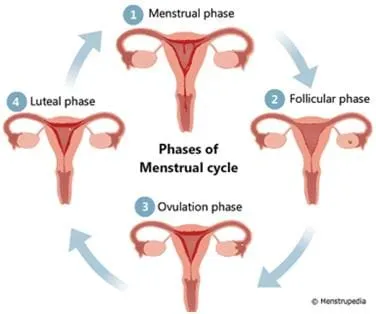
To understand why the back or pelvic hurts during a period, we need to understand the menstrual cycle and the changing levels of hormones. The menstrual cycle is made of a few main phases.

  • The first phase, which is menstruation, begins on the first day of your period. During menstruation hormones, oestrogen and progesterone, are relatively low.

Menstral phases

  • In the second phase, also known as the follicular phase, FSH (or follicle-stimulating hormone) is released, which causes immature eggs to develop. These follicles cause a lot of oestrogen to be produced, and the lining of the uterus thickens, for a possible egg to be embedded.
  • The third phase in ovulation, and is when a mature egg is released from the ovary. It is triggered by an abrupt rise in LH (or luteinising hormone). At ovulation, the cervix moves higher and its opening widens. The release of the egg and the movement of the cervix is why some women experience cramps or aches at ovulation, and why some women experience ovulation spotting. After ovulation, the egg enters the fallopian tube and moves along the uterus.
  • The fourth phase, also known as the luteal phase is when oestrogen production drops and progesterone increases. This further thickens the uterine lining to allow for a fertilized egg to embed. If fertilization doesn’t occur, the egg breaks down, and progesterone levels drop, which disintegrates the uterine lining, in preparation for a period. This drop in progesterone is why some women experience mood swings, bloating, tender breasts or tiredness.

During the period, the broken-down lining of the uterus flows down through the cervix and out of the vagina. When you have a period, the uterus swells and expands and can become almost double the size and weight (pictured below).

Uteris size

Understanding the anatomy of the pelvis can help us understand why the back and pelvis can hurt during a period and during this time when the uterus is so enlarged. Here are some explanations:

  • Firstly, the uterus is suspended in the pelvis to the sacrum (pictured below), which is the triangular bit of bone between your lower back and your tailbone. You can feel the top part of your sacrum, where the dimples in your lower back are. These ligaments are called the uterosacral ligaments. When the uterus swells, this puts pressure on the uterosacral ligaments, which can then create a dragging feeling, heaviness or pain on the sacrum and tailbone.

Periods

  • Secondly, to push the uterine lining out through the vagina during menstruation, the uterus muscle contracts, and if it contracts sharply, it can make you feel strong cramps. Hormone-like substances called prostaglandins trigger these contractions, and prostaglandins are also involved in pain and inflammation processes. If a woman has high amounts of prostaglandins, she can have more severe menstrual cramps.
  • If a woman has endometriosis, cells that resemble the lining of the uterus exist on other places within her pelvis, such as on her bladder, bowel, or vaginal walls. These cells can be triggered with a period and cause more pain and inflammation, which is why women with endometriosis tend to have more severe period pain.
  • Sometimes the uterus isn’t aligned neutrally within the pelvis, and this can contribute to pain that may be one-sided or to pain in the lower abdomen. The uterus may be tilted to the side or it may be tilted forwards. Visceral mobilization to re-position the uterus well inside the pelvis by a trained women’s health physiotherapist can help bring back alignment to the uterus and surrounding tissues.
  • Often the pelvic floor muscles can cramp because of the contracting uterus and vagina. This can also contribute to an increased perception of period pain, because not only is the uterus contracting, but the pelvic floor and pelvic wall muscles go along for the ride. Over time, these muscles can become stuck in a tight position from overworking for many months or years. Because these muscles also attach to the pelvis, tailbone and lower back they can add to your lower back or pelvic pain. Pelvic floor release techniques by a trained women’s health physiotherapist can release these tight muscles, which can in turn reduce the overall pain during periods.

If you have period pain or lower back pain or pelvic pain, try seeing a women’s health physiotherapist, as very often, having some physiotherapy can significantly reduce or completely eliminate your pain. Their treatment techniques can help with other menstrual symptoms such as spotting, irregular cycles, long cycles, and research is now showing the benefits of physiotherapy for fertility as well.

Join an online class  from the comfort of your home - Katrina the principle physio at The Fix Program has designed a series of pregnancy exercise programs that will help you immensely. 

Read More

March is endometriosis awareness month

March is endometriosis awareness month

12 easy nutrition tips to ease endometriosis and pelvic pain

Last month, I wrote about how hands-on women’s health physiotherapy is effective for women who suffer from endometriosis. This month I cover some practical nutrition tips to manage the pain and symptoms associated with endometriosis. This is information I provide as a Women’s Health Nutrition Coach to my patients with endometriosis.

In endometriosis and chronic pelvic pain conditions, there is often a repetitive inflammatory process occurring within the pelvis. Pain is often a cardinal symptom of inflammation and, without getting too technical, the presence of something called “cytokines” in the body suggests inflammation. Interestingly, research shows the presence of several inflammatory cytokines in women with endometriosis.

So, what do pain, inflammation and inflammatory cytokines have to do with endometriosis?

Well, understanding this process provides the basis for why an anti-inflammatory diet is important in managing this disease. Certain foods have been proven to reduce inflammation and these are recommended for women with endometriosis. Knowing this makes it easier to stick with dietary changes, because ultimately you are not just reducing your symptoms but also reducing the growth of the disease. So let’s get into the anti-inflammatory foods.

Some general anti-inflammatory foods that you can simply begin to incorporate into your diet and cooking include

  • lime zest
  • mushrooms (button, oyster, honey-brown, shiitake, enoki)
  • sweet potato, onion (be careful with this if you have IBS and are sensitive to FODMAPs)
  • Thai spices such as kyeng, dill, kaffir lime, chilli, teaw, sweet basil, pea eggplant
  • other herbs and spices that are anti-inflammatory including curcumin (turmeric), ginger, cinnamon, cloves, oregano and sage.

Please bear in mind that every woman with endometriosis is different and a blanket diet cannot be given to every woman. A woman with endometriosis may have other concurrent conditions that would warrant other dietary modifications. This could include irritable bowel syndrome, interstitial cystitis, poly-cystic ovarian syndrome and pudendal neuralgia.

There are some general recommendations that are given for women with endometriosis. These suggestions can include

  • ensuring you have clean protein, healthy fats and fibre at every meal

  • going gluten-free. More and more research is showing significant improvements in women who stop eating gluten. Gluten ranks as one of the highest toxins for women with endometriosis. Simply going gluten-free without any other changes can be enough to reduce pain significantly.

    Some women can also be sensitive to other grains, but if not, you can enjoy brown rice, buckwheat, quinoa and teff as alternatives.

  • limiting soy. Pelvic pain is found to be higher in women who regularly eat soy. If you need to have soy, its best to stick with low amounts of non-GMO, organic, fermented whole soy foods.

  • limiting diary. A lot of women with endometriosis have developed sensitivities to dairy. This can be sensitivity to lactose, which is a sugar found in dairy, or sensitivity to casein, which is a protein found in dairy. Dairy can cause inflammation which can lead to pain.

    Simply substitute for non-dairy alternatives e.g. almond or other nut milk, rice milk, coconut milk, coconut yoghurt, coconut cream and coconut ice cream. Grass-fed butter is usually well-tolerated.

  • limiting sugars. Processed and refined sugars wreak havoc on the gut. Switch to coconut sugar or pure maple syrup for sweeteners. If you have a chocolate addiction try Loving Earth brand of chocolate instead.

  • limiting coffee and alcohol.

  • enjoying increased high omega-3 fatty acids. Foods that are high in omega 3 are your powerhouses of anti-inflammatories. They can even be used as an alternative to pharmaceutical NSAIDs!

    For example, flaxseeds/linseeds, walnuts, brussel sprouts, cauliflower and fish such as sardines, salmon, tuna, blue mackerel, gemfish, shrimp

  • increasing your vegetable intake. Have rainbow colourful vegetables at every meal, making sure you have lots of green leafy vegetables. Sulfur containing vegetables and cruciferous vegetables help with estrogen detoxification. This is found in broccoli, brussel sprouts, cauliflower, kale, leafy greens and cabbage.

  • increasing your fibre intake. This is effective for estrogen detoxification. Simply add chia seeds or flaxseeds to your meals. Your goal here is 35-45g of fibre per day.

  • increasing your antioxidants. Foods high in Vitamin C are very effective for reducing inflammation. These can include papaya, bell peppers, broccoli, brussel sprouts, strawberries, pineapple, oranges, kiwi fruit, cantaloupe and cauliflower.

  • drinking lots of water and tea. English breakfast and green tea are anti-inflammatory teas.

  • taking probiotics. Cycle between 3 different brands of quality probiotics every 3 days for optimal gut health.

So there you have it. Twelve tips to reduce the pain associated with endometriosis. You can start your journey to a healthier pain-free life by adopting these nutritional strategies.

If you would like more personalised nutrition coaching for endometriosis or pelvic pain, you can enquire with one of our women’s health physiotherapists at The Fix Program.

Read More

EndoMarch

EndoMarch

March is the month to raise awareness on endometriosis

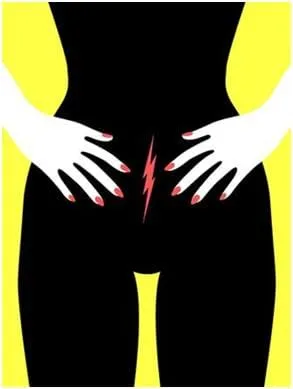
Endometriosis pain

With Endometriosis Awareness Month in March coming up I thought it was timely to post to The Fix Program blog about how hands on therapy such as women’s health physiotherapy can go a long way in helping endometriosis sufferers recover. Endometriosis is characterised by pain - period pain, abdominal & pelvic pain, pain with urination and with bowel movements, and pain with sex.

When women and younger girls suffer from endometriosis, they often spend a lot of time curled up in bed during period times, and often outside of period time too. All of those cramps, spasms, inflammation and pain make the tissues in the abdominal, pelvic and back area really tight. There is also a build up of scar tissue from the endometriosis or from the surgeries to remove endometriosis. This tightness in the muscles and connective tissue (fascia) in the area can then cause further pain. The pain cycle begins, going round and round in a vicious circle of increasing pain, tightness and inflammation.

I didn’t realise that physios can help with endometriosis.

Physios are thought to only treat sports injuries or back pain. Little is known in the general arena of medicine and the general public about the wonderful role women’s health specialised physiotherapists can play in changing these women’s lives.

I’m a big fan of manual therapy and myofascial massage in this area to release scar tissue, adhesions, spasms, fascial and muscle tightness, and to restore the correct alignment of the bones, soft tissues and the pelvic and abdominal organs.

Sometimes the pelvic bones and joints are not in a neutral or appropriate alignment and this can further affect the muscles and fascia in the lower back, pelvic and hip regions. This can usually happen after surgery as often the endometriosis or scar tissue can be more one-sided within the pelvic organs. When surgery is done to remove this, one side of the pelvic tissues can scar and tighten up more and pull the joints out of alignment.

At The Fix Program we treat pelvic dysfunctions such as is seen with endometriosis with myofascial massage, muscle energy techniques and exercise to restore the pelvis, hip and spine joints back to a good neutral alignment. Often women with endometriosis have been told they have sacro-iliac joint dysfunctions in the pelvic joints, so an integrative approach of external and internal physiotherapy techniques is important for optimal results.

Endometriosis severely impacts the pelvic floor, and more often than not, women who suffer from endometriosis also suffer from a hypertonic, overactive or tight pelvic floor. If the pelvic floor muscles and fascia are tight, then they are often also very painful, leading to pain with sex. They can also make period pain worse because when the uterus contracts to expel blood, the pelvic floor muscle and fascia system will be contracting too (it’s like trying to walk with a sprained ankle). This is why a lot of women with period pain also experience vaginal pain during their periods.

What can I expect after seeing a women’s health physiotherapist for me endometriosis?

Almost every woman who walks into The Fix Program with endometriosis often has tightness or trigger points in her pelvic floor muscles, so a lot of the treatment she would have would involve internal vaginal muscle releases. Within 3 months of treatment internally and externally ( the outer muscles of the hip, buttocks, spine and abdomen), she will report less pelvic and sexual pain, better bladder and bowel control, regular bowel emptying, better digestion, and best of all, less period pain.

Periods can also become shorter, more regular, with less spotting before and after periods. Part of the reason for this is because the uterus is now aligned ‘neutrally’ from all the muscle and fascial release work around it, rather than tipping forwards or sideways. If the uterus isn’t positioned ‘neutral’ or well within the pelvis, blood can stay back in the curves rather than flowing straight down and stay there until the next period, when it comes out as dark spotting.

Next month, I will explore a nutritional approach for the management of endometriosis. In the meantime support endometriosis awareness by attending events held by Endometriosis Australia and Worldwide EndoMarch.

http://www.endometriosisaustralia.org/

http://www.marchintoyellow.org.au/

http://www.endomarchaustralia.com.au/

http://www.luminosity.org.au/

Read More

What is normal after having a baby? Part 1

What is normal after having a baby? Part 1


New Mums have enough on their plate looking after their new little one. Worrying about the changes in their body can sometimes become a real focus and cause for concern. Changes in the body are very normal and usually temporary. Give your body time to start to feel and look a little more like your old body. Read on to discover that what you feel and experience is the same for most new Mums and that giving your body up to a year is what you really need.

In Part 1 of this series, Heba will cover what are some of the normal changes that occur in a woman’s body after birth, whether vaginal or caesarean birth. She will cover topics such as post-partum bleeding and vaginal discharge, abdominal muscle separation, lactation and the baby blues. She will also cover what is common after birth but not necessarily normal.

Take this as a guide of what is ‘usual’ to expect, and if at all concerned, visit your GP, OB or women’s health physiotherapist for assessment, advice and treatment.

Post-partum bleeding

During pregnancy, the volume of blood in a woman’s body rises by 50%. This is to prepare the body for blood loss. When the placenta detaches from the uterus, it leaves open blood vessels, which bleed into the uterus. The uterus contracts to allow for childbirth and delivery of the placenta. The uterus continues to contract, to close these blood vessels, to reduce the bleeding. Breastfeeding allows the body to produce oxytocin, which also helps the uterus contract. This is why many people feel cramps when breastfeeding. If a woman has a c-section, she may experience more bleeding. If a woman has an episiotomy or tear, she may also bleed from these areas.

Post-partum haemorrhage, which is excessive blood loss due to the uterus not contracting well after delivery. It is common in 1 out of 20 women, and can happen within 24 hours of birth, and even days or weeks later.

Post-partum vaginal discharge (lochia)

Lochia is the excess vaginal discharge women experience after birth. It is made up of blood, bacteria, and tissue from the lining of the uterus. In the first few days after birth, lochia is made up of mostly blood so it should look bright red, like a heavy period. It can come out continuously or it can come out in small gushes. Each day, the lochia should reduce and become lighter in colour. It should be pinkish and watery by day 4 and should have reduced to a small amount of yellow or white discharge by day 10. It should stop by day 40 but can stop earlier. Some women experience intermittent spotting for a few more weeks.

**Abdominal Separation (Rectus Diastasis)
**

During pregnancy or labour, the abdomen can stretch to a point where a membrane between the abdominal muscles can split. This allows for your growing baby inside your uterus. This degree of separation can vary from woman to woman, based on hormone changes, age, body type and size, size of baby, multiple babies, repeat pregnancies, etc. It is very common in pregnant women, with 2 out of 3 women having some degree of tummy separation. It is acceptable to have a separation of less than 2cm, which isn’t too deep. However if the separation is more than 2.5cm and deep, this will need support and strengthening. The gap should shrink after birth with strengthening of the transversus abdominis muscle and an abdominal binder.

Support garments such as basic elasticised stocking (Tubigrip) or SRC Recovery shorts can be prescribed to allow for a gentle compression to bring together the belly muscles and allow for their strength to return and separation to decrease. Making sure you see your pregnancy physio at The Fix Program for correct fitting and to teach you appropriate deep abdominal exercises is suggested.

Lactation

During pregnancy, oestrogen and progesterone levels rise, which cause a rise in prolactin – the hormone responsible for breastfeeding. After birth, oestrogen and progesterone drop significantly, but prolactin continues to be elevated, especially if breastfeeding. If a woman chooses to bottle-feed, prolactin drops to normal levels by day 7. The high prolactin levels and low oestrogen levels are why women experience low sex drive whilst breastfeeding – physiologically this is to prevent another pregnancy. This is also why some women do not have periods whilst breastfeeding, as prolactin suppresses ovulation. The low eostrogen can also make the vagina dry and lower your cervical mucous.In some women, the oestrogen levels remain high compared to prolactin, which makes it difficult for her to produce milk and breastfeed. Some women develop mastitis, which is an inflammation of the breast due to a build-up of milk. It is common in 1 out of 10 breastfeeding mothers and even in some bottle-feeding mothers too.

Baby blues

After giving birth, 50-80% of women experience weepiness and irritability, also known as the ‘baby blues’. After birth, women have significant changes in their hormones, which lead to these baby blues, primarily the large drop in oestrogen and progesterone. These feelings often last for a few days, with the worst being the day 4 or 5 after birth. A new mother may feel moody, weepy, tired or anxious.

Some women experience low moods for a month or more after birth. This is a symptom of post-natal depression. Women with PND may also experience poor sleep, low energy, decreased pleasure, hopelessness, constant negative feelings and thoughts, and inability to cope. If these symptoms persist, she should seek help from her GP, as she may require counselling sessions or temporary anti-depressant medication.

Read More

What is normal after having a baby? Part 2

What is normal after having a baby? Part 2

Heba talks about the stuff they don’t tell you about being a new mum

Last month, we talked about what is normal and common after having a baby. We discussed post-partum vaginal bleeding and discharge, abdominal separation, lactation and the baby blues. This month we’re going to have a look at what is common after birth, but not normal.

Prolapse

Prolapse is surprisingly common post-birth affecting about 50% of women. During pregnancy, the extra hormones make the connective tissue in women’s bodies more lax to allow for childbirth. In some women during birth, this connective tissue overstretches and doesn’t really tighten back up after birth. This means that the pelvic organs being held up by this connective tissue are sitting lower than they should be. If they have a forceps or vacuum delivery, their risk of prolapse goes up even more.

Women will experience symptoms like:

  • Lower back pain. This is because the uterus attaches to the lower back via ligaments and if the uterus is sitting lower there is more pull up onto the lower back from within.
  • Pelvic pressure or feelings of heaviness or dragging sensations
  • Sensation of a bulge vaginally
  • Leaking from the bladder. This is because the bladder and urethra are sitting lower than they should be.
  • Incomplete emptying of the bladder. This is because the bladder sits lower than it should, a little pocket of the bladder can form and store urine

The best way to manage and sometimes even cure prolapse is to see a women’s health physiotherapist 4-6 weeks after birth. She will fit you with a device to lift the prolapse called a pessary. The pessary cystocelewill prevent any sensation of prolapse and sometimes even allow the connective tissue to tighten up completely within a year post-birth.

Incontinence

Incontinence is really common post-birth affecting at least 30% of women. Usually the incontinence is a direct result of a prolapse. Sometimes it is because of a weakness of the pelvic floor muscles. 1 in 3 women will have bladder control issues post-birth and 1 in 8 women will have bowel control issues post-birth, especially if she has had an anal sphincter injury or 3rd/4th degree perineal tearing during her labour.

Women may leak with a cough, sneeze, laugh, jump or run and this is known as stress incontinence. Or they may leak due to urgency, which is known as urge incontinence; sometimes they can have both. The great thing is physiotherapy can cure 80% of cases, and it can be as simple as doing your pelvic floor strengthening exercises.

A great set of exercises to get started with are doing 10 second holds, followed by 10 quick lifts, followed by 3 elevator exercises. The elevator exercise is visualising the pelvic floor as an elevator in a 3-storey building, and taking the pelvic floor to level 1, then level 2 then level 3, and then letting it drop back down to ground. If a woman does this every time she feeds her baby, she can keep her pelvic floor muscles strong.

It is a good idea to stop to ask yourself at your bub’s 3 month ‘birthday’ the following question. “Have I felt that my bladder control has improved and is returning to normal since the birth?” If you have any concerns answering this favourably, seek assessment and advice from your women’s health physiotherapist. She may wish to assess your strength, coordination and any presence of prolapse with an internal vaginal examination. You may need extra training and help to regain your strength or the pelvic floor region and to regain good bladder and bowel function and control. Perhaps you may need a pessary fitted and prescribed to help you along? This examination is the only way to truly see how well you are going with your pelvic floor muscle function after having your baby. We do hope that after the birth, our internal exams wouldn’t worry you at all!

Pain

Having a baby is often compared to major surgery. And if you have a caesarean section, then it definitely is! Most women will have some amount of scar tissue after birth, whether it is vaginal scar tissue from an episiotomy or perineal tearing, or scar tissue from a c-section. And scar tissue, when it’s not numb, can be quite sore.

This is why women can sometimes experience pain when sitting or when getting out of bed, while emptying their bladder and bowel, or even during sex. It’s as common as 1 in 5 women. On top of that, the drop in oestrogen makes the vaginal area dry and more likely to be painful especially during sex. If you do have scar tissue, it’s very important to do scar tissue massage along the entire length of the scar. Rub your finger perpendicular to the scar and spend 5 minutes every day rubbing into it to smooth out the tissue.

In some women the pelvic floor muscles go into spasm from the tearing, scar tissue and pain down there. These women may need to see a women’s health physiotherapist for pelvic floor release work. These women often won’t tolerate doing pelvic floor lifts, and can sometimes experience more pain from these types of exercises.

Be kind to yourself   

So remember, prolapse, incontinence and pain are common post-birth, but they are not normal. And you can certainly do something about them and sometimes cure them altogether with early visit to your women’s health physiotherapist.

Read More

Men and World Continence Week

Men and World Continence Week

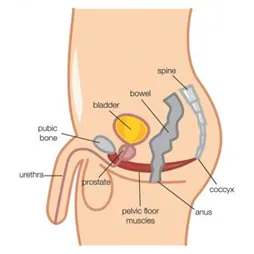
The male pelvic floor – yes guys, you have one too!

What is the male pelvic floor?

The pelvic floor muscles extend like a hammock from the tailbone at the back, to the pubic bone in front. A man’s pelvic floor muscles support his bladder and bowel. The urine tube and the back passage all pass through the pelvic floor muscles. The pelvic floor helps with bladder and bowel control and is important for sexual function.


Which guys need to do pelvic floor strengthening exercises?

All men need healthy pelvic floor muscles, but some may have weak muscles. They are those who are:

  • suffering of ( or having survived) prostate cancer
  • recovering from surgery for bladder or bowel problems
  • overweight
  • often heavy lifting
  • suffering with coughing that goes on for a long time (such as smoker’s cough, bronchitis or asthma)
  • urinary incontinent e.g. men who wet themselves when they cough, sneeze or are active
  • bowel incontinent
  • experiencing dribbling after urination
  • experiencing erectile dysfunction.

What about if his pelvic floor muscles are too tight?

Some men experience chronic pelvic pain, such as pain with erections. This can be because the pelvic floor muscles are too tight or in spasm. When the muscles stay tight they become painful. In this case, men should be doing more relaxation and ‘down-training’ ( or letting go) of the pelvic floor muscles, as squeezing these muscles will make them tighter, and therefore more painful. Tight pelvic floor muscles are also common men with pudendal neuralgia (irritation of the nerves of the pelvic floor region), urgency (needing to urinate more frequently than what is considered usual, or with certain triggers) and constipation.

How can men find out which exercises he should be doing?

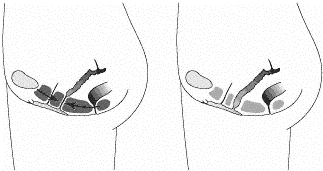
Real-time ultrasound by a trained men’s health physiotherapist can help visualize the muscles. This method of ultrasounding allows for a clear picture on a monitor screen of how the pelvic floor muscles are contracting (and in ‘real time’), much like watching the black and white pictures of a pre-natal baby scan.The physiotherapist can then design an exercise program for you based on your needs.

If you are at all worried about the function of your privates ‘down there’, as physios at The Fix Program we would be happy (and very capable) to speak with you privately about your symptoms. If needed, we can refer you to a men’s health physiotherapist for an assessment and treatment plan.  

Afterall, bladder and bowel problems, no matter how small, are not normal. Don’t put up with it. Tell someone who cares and seek help.

Read More

Painful sex in women

Painful sex in women

Vaginismus 

Whilst most women enjoy sex, there are some women who find sex painful and still others who are unable to even have sex at all. One of the main conditions that this occurs in is vaginismus.

Vaginismus is an involuntary tightening of the pelvic floor muscles during attempted insertion of an object into the vagina. This could include penetration during intercourse or insertion of a tampon or speculum. When the muscles tighten, women can feel pain, which can range from a mild discomfort to severe pain that can be stinging, burning, tearing or aching.

Vaginismus is not something women have control over, and some women may be completely unaware that it is happening. In some women the muscles can become so tight, that it feels like the vagina is totally closed and penetration cannot occur. In others, the muscles allow for penetration, but the tightness of the muscles causes enough pain that intercourse must be stopped.

vaginal muscles

A woman can have primary vaginismus – which is associated with attempting to have sex for the first time, and being unable to. Women may feel like their partner bumps into a wall where the opening should be. This is the most common cause of unconsummated marriages.

Secondary vaginismus is when the tightness and inability to have intercourse occurs after a period of being able to enjoy sex. This can happen for a number of reasons including:

  • Yeast infections or recurrent urinary tract infections
  • After a difficult childbirth
  • Prolapse of your pelvic organs into the vaginal area
  • Menopause, due to hormonal changes, leading to vaginal dryness or atrophy
  • Abuse or trauma
  • Pelvic conditions such as endometriosis, cysts, tumours, lichen sclerosus
  • Anxiety or stress
  • Partner issues

Vaginismus can be treated by your women’s health physiotherapist, who will use a few different treatment techniques to help you have sex comfortably. For primary vaginismus, these include:

  • Vaginal desensitization
  • Pelvic floor muscle relaxation exercises
  • Internal muscle releases around the vagina and pelvic floor muscles
  • Vaginal trainers/dilators

In secondary vaginismus, more techniques may need to be employed in addition to the above treatments. Sometimes a referral to your GP or to a sex therapist or psychologist may be indicated, who will work alongside your women’s health physiotherapist. Treatment choices here include:

  • Scar tissue massage

  • Pessary for prolapse support

  • Discussion about vaginal oestrogen with your GP

  • Electrical stimulation

  • Hip and pelvic stretches

  • Complex management of pathology such as endometriosis including nutrition advice and visceral and fascial release of scar tissue and adhesions

Remember, with vaginismus, it is NOT all in your head. With an appropri

ate women’s health physiotherapy management plan, women can overcome vaginismus within a few months, and can go on to enjoy a normal sex life.

Call us if you are experiencing vaginismus. We can help.

Read More

Exercise risk and the pelvic floor

Exercise risk and the pelvic floor

Don’t feel the pressure!

Are you feeling that your body isn’t the same as is it used to be. Maybe you’ve just had a baby. Maybe you’re recovering from an injury to your lower back or pelvis – yes men, this includes YOU! Maybe you’re going through menopause. Effects of these events on the body’s muscles are great and sometimes may be overlooked. This is particularly so about the pelvis and the pelvic floor muscles, where pain, injury, or cessation of regular activity and exercise can cause weakness and poor control.

You may wonder:

  • Which exercises can I do?
  • Which exercises should I be avoiding?
  • Which exercises are high risk?
  • Which exercises are low risk?
  • Can my pelvic floor cope with the exercise I used to be able to do?

situp

What is the big fuss about pressures on the pelvic floor muscle system?

Forces generated by activities of exercise and daily living on the pelvic floor may be too great if you have little strength or control. Repetitive jogging or exercise may be too much for these muscles to take and the risks associated include loss of bladder or bowel control, pelvic organ prolapse( falling down of the organs within your pelvis – bladder, bowel and uterus for the women) and chronic back and pelvic pain.

What is ‘risky exercise?’

First, let’s decide what makes an exercise more risky for the pelvic floor. The table below shows the different pressure transmissions in the pelvis and in the abdomen during different exercises. The lower the pressure values, the less “risky” the exercise is to the pelvic floor. This means that, the further you go down the table, the more likely the exercise is going to cause bladder or bowel issues. For example, you are more likely to leak a bit of urine with jogging or coughing than you are with crunching or walking.

For you guys out there who have bothered to read down this far, intra-vaginal pressure could be swapped for intra-rectal pressure. Remember we all have the same functioning pelvic floor -give or take- whether we are male or female.

Exercise

Intra-vaginal Pressure

Intra-Abdominal Pressure

Lying down at rest

5

-

Lying down on your back weights

10

-

Crunches - breathing

Crunches – holding breath

12

24

68

Standing at rest

24

39

Sitting at rest

25

-

Stair climbing

-

70

Walking

26

76

Stand from chair

-

79

Supine low bicycle

32

-

Seated arm machine

37

-

Seated leg machine

44

-

Seated abdominal machine

54

-

Free weights from floor (10kg)

>45

122

Squatting or lunging

-

-

Jogging

64

100

Jumping jacks

-

127

Laughing

86

-

Forceful cough

98

136

So what are the take home points?

  • Always breathe through the exercise – holding your breath can double the pressure in your pelvis.
  • There’s no real difference between sitting weights training and standing weights training in terms of the effects on the pelvic floor.
  • Crunches and sit-ups are always given a bad rap with regards to pressures on the body and the pelvic floor. They actually produce less pressure than any other seated or standing exercise, and even less pressure than just standing upright! They might not be the best exercise if you have a neck or back injury or an abdominal separation though.
  • You need to invest more in managing hayfever or asthma to prevent bladder or bowel accidents than avoiding exercise.
  • You need to really build the strength, endurance and coordination of your pelvic floor if you’re struggling with control during any exercise, especially aerobic exercises such as jogging or jumping. A women’s or men’s health physiotherapist can guide you to ensure you do these exercises correctly and she can prescribe an individualized pelvic floor program just for you.

So now you know the risks of exercises on the pelvic floor. But this doesn’t apply as a blanket rule for every woman or man. Another important thing to consider before you return to exercise is your individual risk. Whether you are high risk or low risk depends on your body and your individual circumstances and experiences.

Your individual risk comes down to six things:

  1. How strong are your pelvic floor muscles?
  2. What is the size of your levator hiatus (the space between the two sides of the pelvic floor muscles) at rest?
  3. How distensible are your connective tissue in your pelvic floor i.e. how much do they stretch?
  4. Do you have pelvic organ prolapse?
  5. Do you have levator avulsion (tearing of the pelvic floor muscles)?
  6. What is the state of your hormones?

What can I do to be sure my choice of exercise is the right one for me at this time of my life?

For you women, your women’s health physiotherapist at The Fix Program is able to assess these six factors to determine your individual risk; and combining your risk with the risk of exercise, she will be able to tell you which exercises are suitable and which exercises you may need to build up to with time, as well as which exercises you may need to avoid.

In addition to this, your women’s health physiotherapist can help you strengthen your pelvic floor muscles including the muscles that may have some tearing, manage your prolapse (perhaps with the fitting of a pessary to support your connective tissue), as well as guide you with nutrition and lifestyle advice to promote hormonal health.

For you men out there, there are men’s health physiotherapists who can also assess your risk factors, pelvic floor weaknesses and help you to train these all important multi functional muscles. Ask us for details if you need them!

Read More

Pregnancy and Incontinence

Pregnancy and Incontinence

World Continence Week raises awareness for pregnant women world-wide

Urinary incontinence is a loss of bladder control which results in leaks of urine. This can be stress incontinence which is leaking urine with a cough, sneeze, laugh, exercise (including running, jumping, lifting weights), or even during sex. Or it can be urge incontinence which is a strong overwhelming desire to urinate and losing control before reaching the bathroom. Women over the age of 35 and women with a high BMI have a greater risk of both stress and urge incontinence during pregnancy and after birth.


Why can women suffer from incontinence during pregnancy?

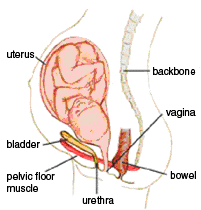
It is quite common for women to develop some form of incontinence during pregnancy, and the most common form is stress incontinence. There are many reasons for this but the biggest reason is the extra weight of the unborn baby and the pressure of the uterus on the bladder. This is why pregnant women can often only develop incontinence in their third trimester. Sometimes constipation can also lead to incontinence because of the added pressure of the full bowel on the bladder.

One other major reason is the large hormonal changes in pregnancy, which make the connective tissue including the ligaments very soft and lax. Women need their joints and tissues to be more elastic (particularly around the pelvis) for childbirth, but this also reduces the support of the bladder, hence why some women will leak. This extra weight and pressure combined with the laxity of the joints puts added pressure on the pelvic floor muscles. Pelvic floor muscles will then fatigue quicker, and if the pelvic floor muscles are already weak, it can lead to incontinence.

Why is incontinence prevalent after pregnancy and birth?

Leaking is common in one in three women after childbirth. Sometimes women lose their ‘connection’ (brain message to muscle) to their pelvic floor muscles after childbirth and the muscles weaken. Perhaps it is the pain associated with the birth and its interventions which cause this. This weakness means the muscles can’t tighten around the urethra efficiently and a leak can occur. Sometimes these pelvic floor muscles can become weaker due to prolapse, or sagging, of any of the pelvic organs, which puts extra load and pressure on the pelvic floor muscles.

After childbirth, the biggest risk factor for stress incontinence is having a vaginal delivery, especially if instruments such as forceps or vacuum were used, as these can injure pelvic nerves and muscles. Other risk factors include having your first baby, having a large baby over 4 kilograms, having a long labour, especially the second stage of labour, and having a difficult vaginal delivery, which involve stitches or tears around or outside the vagina. If a woman has tearing of her perineum or prolapse of her bowels, she may also develop faecal incontinence. Women who have had caesarian sections can also develop incontinence especially if their pelvic floor muscles are weakened from the pressure of the uterus.

Is there anything that can be done to prevent pregnancy-related incontinence?

It is important for all women to do their pelvic floor exercises during pregnancy and after childbirth. An excellent way to do these exercises and help to manage or prevent incontinence is to join a Pregnancy Pilates group exercise program, such as those offered at The Fix Program. After you’ve given birth, it is highly advised to see a women’s health physiotherapist if you are experiencing any incontinence to make sure you get the therapy you need. At The Fix Program our women’s health physiotherapists are highly skilled in assessing pelvic floor function and can help you manage any incontinence as well as treat any prolapse or scar tissue you might have post-birth.

Read More

Showing 10 of 12 articles by Heba Shaheed

Fix News