Heba Shaheed Articles

What is endometriosis and how can physiotherapy help sufferers?

What really goes on with one of the most common causes of persistent pelvic pain

Endometriosis is one of the most common gynaecological causes of chronic pelvic pain. It occurs in a whopping 1 in 10 women and has a ridiculously delayed diagnosis of 7-10 years!

So what is endometriosis? Isn’t it just killer cramps? It will get cured by getting pregnant, right? It means you can’t have babies, right? Wrong. These are just some of the common misconceptions surrounding endometriosis.

Let me break it down for you. You’re never too young to get endometriosis. There is a genetic link to it, which means if your mother, grandmother, sister or aunty has it, chances are you might have it too. This means it’s part of our genetic makeup and as soon as you have that first period, whether you were 16, 13 or even 10, you’ll know it. I should mention though that not everyone with endometriosis gets pelvic pain.

This brings me back to my first question. What exactly is endometriosis? Think of the cells that make up the lining of the uterus – in a normal person these cells exist exclusively in the lining. In a person with endometriosis, cells that are similar to the cells of the lining exist in other places too. This means they can be found on the ovaries, the fallopian tubes, the bladder, the bowels, in the vaginal walls, on the pelvic ligaments inside your pelvis, in the Pouch of Douglas (which is the space between the uterus and the bowels) and funnily enough can even be found in places like your lungs and diaphragm too! These cells all over the place will act like your cells do with your monthly cycles.

If you think about all the places this tissue exists it’s no wonder women with endometriosis present with a myriad of symptoms! Some of the common symptoms include:

  • Heavy, prolonged and irregular periods including spotting between periods.
  • Painful periods – the “I can’t get out of bed – it feels like I’m being stabbed over and over again – it feels like its shredding” type of pain.
  • Painful sex (during and after) – to the point that you just don’t want to have sex anymore.
  • Pain with bowel movements (sometimes only during periods) – including intolerances to inflammatory foods e.g. dairy, wheat, soy and sugars - it feels like you have Irritable Bowel Syndrome (IBS) with the chronic bloating and constipation and bouts of diarrhoea.
  • Painful urination during periods.
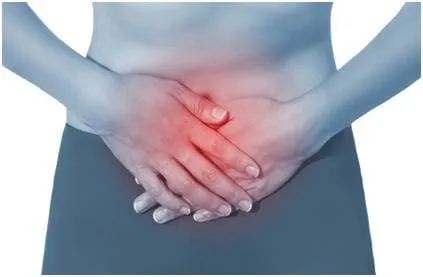
  • Pelvic pain – over time the pain can cause the muscles and connective tissue around the pelvis, back, tummy and hips to become sore. You can start to get changes in your muscles too, including pelvic floor spasms and tension.
  • Infertility.

Interestingly enough, not all women with endometriosis experience symptoms. And the severity of their symptoms is not related to the severity of the disease. For example, you can have a woman with Stage 4 endometriosis (the worst!) that experiences minimal pain and the only reason she finds out she has endometriosis is trouble falling pregnant; and another woman with Stage 1 endometriosis (the least severe) who experiences incredibly severe amounts of pain. The severity of endometriosis is classified according to the location, extent and depth of endometrial tissue, the presence and severity of scarring called ‘adhesions’, and the presence and size of ovarian endometriomas (“chocolate cysts”) but not the presence of pain.

The management of endometriosis is multi-disciplinary which means many health professionals may need to get involved to help you out. It can involve the GP, gynaecologist, physiotherapist, dietician, and pain specialist.

Women’s health physiotherapists play a large role in pain management. If the woman with endometriosis experiences painful sex or chronic pelvic pain, a women’s health physiotherapist with a specialty in pelvic pain can help to treat the musculoskeletal concerns externally and internally.

If you are experiencing pain within your pelvis, buttocks and hips and you are concerned about it, speak with Heba at The Fix Program for women’s health.

Read More

Post-natal checkups

Your body as a very new Mummy

You have been attending The Fix Program for Pregnancy and together we have shared some wonderful experiences preparing you and your body for the joys of motherhood.

But what happens after you give birth?

Have there been any changes to your pelvic floor or tummy muscles?

How soon can you return to exercise?

What kinds of exercises are safe for you and your body post-natally?

Can you still exercise the way you did before and during your pregnancy?

Can I have sex?

What is ‘normal’?

The Fix Program for Women’s Health now offers a comprehensive 1 hour post-natal physiotherapy assessment with a women’s health physiotherapist which involves:

  • Pelvic floor muscle assessment
  • Prolapse and incontinence assessment
  • Tummy muscle separation (DRAM) assessment
  • Fitting abdominal binder or SRC Recovery Shorts
  • Musculoskeletal assessment of the pelvis including sacroiliac and pubic symphysis dysfunctions
  • Breastfeeding/bottle feeding posture check
  • Individualised exercises and advice

Your post-natal check should be booked at 4-6 weeks post-birth but can still be valid up to one year.

Call us to book yours on 02 9264 0077

Read More

Showing 2 of 12 articles by Heba Shaheed

Fix News