
The Fix Program Blog

10 Aug 2019 BY Katrina Tarrant POSTED IN Physiotherapy

Physios and prostate cancer

Did you know pelvic floor physiotherapy can help men with erectile dysfunction and incontinence, often present after prostate surgery?

By Aline Filipe Nunes, pelvic floor physio for both men and women

With September next month raising awareness for prostate cancer, we thought we would start the conversation among you men. The effects of post prostate surgery are not well discussed, leaving men often suffering in silence.

Did you know that, here at The Fix Program, we help people recovering from prostate cancer treatment?

 What is cancer of the prostate?

The prostate is a small organ that is located under and around the bladder neck in men. The prostate is part of the male reproductive systems because it is responsible for producing prostatic fluid which nourishes sperm and, for normal function, it requires testosterone.

Prostate cancer is the most commonly diagnosed cancer in men and it occurs when abnormal cells develop in the prostate. While it can be localised or it can spread to other organs, early management is key.

The most common symptoms are:

  • increased urinary frequency or sudden urgency,
  • painful urination
  • difficulty in starting urination
  • finding blood in the urine
  • lower back pain, groin and thigh pain.

Although these symptoms alone may not mean you have prostate cancer, your doctor, according to your personal and family health history, should access if it is important to do further testing, such as blood tests, rectal examination or biopsy.
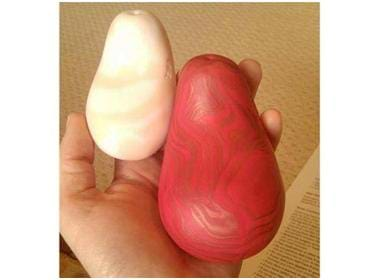
 

Prostate surgery and the recovery path

Unfortunately, surgery and cancer treatment can lead to several side effects and not many know of these until having to face surgery. Because functionally, the prostate functions as a sphincter, it is common for men to have urinary incontinence after surgery.

Additionally, because the prostate also helps with sexual function such as the erection and production of the prostatic fluid, after surgery and treatment, it is difficult to maintain a full erection. Ejaculation after treatment is also limited, meaning that although men can reach an orgasm as they could before, the orgasm is “dry”.

Depending on the type of cancer treatment, men can also experience bowel disturbances or also low libido (often because of the fatigue levels, the emotional shock and trauma lived and due to the fact that the levels of testosterone may be tampered by hormone therapy).

But there is help here.

  • Pelvic floor physiotherapy can help men retrain their pelvic floor so the urethral sphincter can be reprogrammed to work without a prostate.
  • Exercise has also been proven to be highly beneficial to those after cancer as it has been proven to reduce fatigue and cancer recurrence, improves sleep quality and vastly improves your quality of life.
  • Strengthening exercise also seems to be linked with improved libido which can help in the long term.
  • Pelvic floor physiotherapy can help you reaching better erection via the education and use of several tools such as penile pumps, penile rings and pelvic floor exercises.

 Embrace your new life after prostate cancer

Here at The Fix Program we believe that cancer should not be the end but the start of a new phase of your life where you can embrace health and your new life.

If you were diagnosed with prostate cancer or you know anyone who was affected by it, there are several sources that can give you and your family great information about prostate cancer and treatment management.

Please check the links below for more information.

September is Prostate awareness month day and The Fix Program would like to acknowledge the strength of everyone who had, were diagnosed and are undergoing prostate cancer treatment! We would also like to acknowledge the work of all of those researchers and health professionals who contribute to the body of knowledge in the field and that work daily towards finding ways to improve patients’ quality of life and survival.


9 Aug 2019 BY Katrina Tarrant POSTED IN Exercise , Physiotherapy

Knee reconstructive surgery

A torn cruciate ligament may not mean immediate reconstruction

By Julia Newton, physiotherapist

We’ve all seen it on television and cringed. The footballer stepping to pass a defender, his body weight going one way and his knee the other. This is followed by the big man collapsing on a knee buckling inward. Ooooh! The commentators lament on a possible anterior cruciate ligament (ACL) tear with a passing mention of year off to rehabilitate. Australia has the highest reported rate of ACL reconstructions in the world, costing an estimated $142 million per year for hospital systems.

For those that aren’t familiar with ACL, it is a ligament that runs from the femur (thigh) to the tibia (shin) and its purpose is to limit excessive forward translation or slipping of the knee joint. Without this important ligament, the knee can feel unstable and weak.

Despite it being such an important ligament, it is actually possible to function with a complete ACL tear and therefore may not actually always be mandatory to get an ACL reconstruction ASAP.

A recent and very interesting study compared 3 groups of participants with a complete ACL tear. The first group had an immediate ACL reconstruction combined with exercise therapy. The second group had a delayed ACL reconstruction (which allowed extra time for strengthening exercises in preparation of surgery). The third group received exercise therapy treatment alone, with no reconstruction surgery. Surprisingly, there were poorer outcomes from some participants in the first group that had immediate ACL reconstruction. In this group, they found that those with a higher impairment in the knee, with additional cartilage damage did poorer post operatively and would have benefited more from having a delayed reconstruction and some exercise therapy beforehand in preparation.

This study highlighted the fact that every person is different, and in order to make an informed decision about management options, there needs to be a discussion tailored to the individual’s sporting, personal and injury-related characteristics.

The main take home point from this is to not rush into a decision on your management straight away, and get an opinion from more than one practitioner if you feel you need to.


4 Jul 2019 BY Katrina Tarrant POSTED IN Exercise , Physiotherapy

Happy feet! Some steps to take for supple and strong feet

Some steps to take for supple and strong feet

**by Julia Newton, physiotherapist
**

We use our feet everyday. After-all, it is our mode of transport! So why shouldn’t we make foot health one of our main priorities? Keeping feet flexible and strong is not just important for preventing pain and injuries, but it can have a profound effect on the rest of your body. If you are loading well in your feet, this can really help set you up for optimum movement while you get about.

Here are 4 great tips  on how to become more aware and caring of your feet.

Self massage and mobilise your feet.  This is not just a great feeling after a long day on your feet, but also an important step in keeping range of motion in your feet! Just pick up one foot, grab your toes, extend them up towards your ankle and massage out the arch of your foot.

Walk in bare feet when possible. This is where you are getting the most feedback from your feet to your brain and vice versa. Pay attention to how you’re loading your feet while you’re walking. The added bonus here is that by walking slowly and mindfully, you’re also calming your nervous system and feeling that grounding effect of your feet on the floor! However if you’re a runner or regularly exercise in shoes, it might be worth also feeling how your feet are in shoes as well

Exercises for the intrinsic muscles in your foot. Intrinsic muscles in the foot are small muscles located in the sole of your foot that are responsible for providing arch support and fine motor movements. Toe curls is an example of a traditional exercise that challenges the intrinsic muscles in your feet. Simply place a towel under your foot and scrunch your toes so that the towel is pulled towards you.

Practice good balance. Try standing on one leg with evenness throughout your foot. Notice if you tend to weight bear on one side of the foot more than the other or if you’re scrunching your foot in order to keep your balance. You can even challenge this further by balancing on a cushion or bosu ball, or make it easier by holding onto a wall with one or two fingers. There should be some amount of effort in your foot, but not to the point that you’re feeling tighter as a result

Have a go at doing the above action points and let us know how you go! If you have noticed anything about your feet or if you simply would just like some more information, we would love to hear from you!


Fix News