
The Fix Program Blog

25 Oct 2018 BY Katrina Tarrant POSTED IN Physiotherapy , Pilates , Pregnancy

Getting to know your diaphragm

A simple but mindful breathing exercise to have you feeling the difference!

by Julia Newton , musculo-skeletal and ConnectTherapy physiotherapist

As we mentioned in our previous breathing blog post, the diaphragm is one of the most important muscles in our body. It is literally what keeps us alive! This gives us a good enough reason to increase our awareness of the diaphragm during Pilates and everyday life. We hope since reading our previous blog, you have started to increase your awareness of breathing throughout the day and have noticed whether you are predominantly a diaphragmatic breather or an upper chest breather.

If over the past few weeks you have noticed you mostly breathe through your upper chest, this blog post will give you some tips on easy ways to incorporate diaphragmatic breathing into everyday life so it becomes a habit.

The muscles of breathing

Let’s do a quick anatomy lesson first. Even though the diaphragm is our main breathing muscle, we also have other muscles that assist with breathing – these are called the ‘accessory’ muscles to breath. Some include scalene muscles (in the neck), your pecs (at the front of your chest) or your abdominals. These accessory muscles are primarily called on for movement and exercise, when you breathe with exertion.
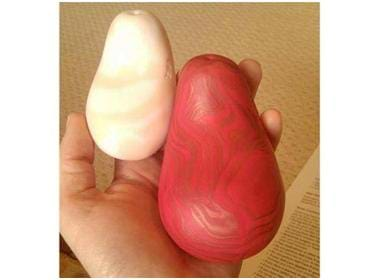
So now keeping this in mind, if you feel you breathe mostly through your upper chest, think of relaxing through these muscles in your neck and shoulders. Try this lying on your back comfortably and try to channel your thoughts to your diaphragm sitting in your lower rib cage. Imagine it’s like a parachute, floating down and out as you breathe in, and coming back up as you breathe out.

Challenge the diaphragm to grow stronger

Now that you are able to breathe keeping your upper chest relaxed, start to take some deeper breaths using the diaphragm. We will do this by targeting all movements of the diaphragm, first in isolation and then together.

Simply, lying on your back, place your hands at the front of your lower ribs. As you take a breath in, aim to push this front region of your ribcage out with air, feeling your ribcage rise into your hands. Then breathe out naturally, feeling your hands return back to starting position. Now bring both hands to the sides of you ribcage, and on the next inhale, think about pushing the air out to each side, feeling your hands expand to the sides. Take another deep breath in and aim to push most of the air out to the back of your ribcage, almost pushing your back into the floor. Then take one last deep breath in, aiming to expand your entire ribcage – front, sides and back.

Practicing mindfulness with this exercise, was there a certain direction that was hardest to push the air into? If there was, repeat this process again, really channelling your focus to pushing the air out into that restricted area. This is practicing diaphragmatic breathing, and by taking five minutes out of your day to do this, it will start to become a subconscious habit.

Practicing diaphragmatic breathing is easiest lying on your back. When mastered, now practice the same exercise and mindfullness in standing, where posture also plays an important role in helping efficient breathing. Here you will need to stack your posture well, so think back to your Pilates classes, where there is focus on lengthening through the backs of our necks and keeping our body upright with the ribs stacked and pelvis in neutral. Practice the same process as above, inhaling and pushing out into each direction of your ribcage, taking note if there is any direction that feels most restricted.

The next step is the ultimate goal of being able to control our breathing through the diaphragm during Pilates classes or any exercise that you do. You’ll be surprised by how much more exercise you can get through with diaphragmatic breathing!

Having troubles?

If you’re still having difficulties with diaphragmatic breathing, there could be a reason for this! Tight muscles and joints can sometimes restrict how much movement our diaphragm has. Stiffness of the thoracic spine and neck joints, chests, shoulders and ribs or tight, overactive braced bellies can hinder the diaphragm. Chat to our physios at The Fix Program if you think this is you – there is much we can do to improve your most efficient breathing strategy with the diaphragm.



Labour and the TENS machine

A drug free alternative for birth

by Carrie Seow, Women’s Health physiotherapist

Using an Obstetric (or labour) TENS machine is a drug free method for managing pain during labour. TENS stands for Transcutaneous Electrical Nerve Stimulation and while it may sound confronting, TENS has actually been used since the 1970’s for pain relief. It won’t remove all of the pain of labour, but it can definitely help to reduce or distract you from the pain and make it more bearable.

How does the TENS work?

An Obstetric TENS machine stimulates the nerves under your skin through self-adhesive skin electrode pads which are as small as 5cm square. You will feel a mild to moderate tingling sensation on the skin from the stimulation. The skin receptors then send messages to your brain, which registers the tingling sensations rather than the pain messages that are originating from the labour contractions. An additional benefit of the stimulation is the release of the body’s natural pain relieving hormones called endorphins.

How would TENS assist with my birth? 

The Obstetric TENS unit is light, compact and battery operated, allowing you the freedom to move around and have an active labour. It can be used in the comfort of your own home during the early labour stage and can be continued at the hospital. In fact, you should start using the Obstetric TENS machine at the beginning of the active phase of labour to gain the most benefit. The machine is easy to operate and is self-controlled with a booster button that you press when you feel a contraction coming. The boost increases the sensation of the tingling feeling and masks the contraction pain with more effect. This allows you to be in control of your pain, which is important for promoting a calm and stress free birthing experience. You can use Obstetric TENS in conjunction with other pain relieving options such as gas, massage, breathing, aromatherapy, and meditations. However, you will not be able to use the Obstetric TENS machine in the water.

The research

A recent study from 2016 conducted by the University of Sao Paulo in Brazil investigated the use of TENS during the active first stage of labour. The study found that using TENS during labour significantly reduces the pain levels during labour and postpones the need for pharmacological analgesia (such as nitrous oxide, pethidine injections or an epidural) for pain relief. Studies also show that there are no known side effects for the mother and baby.

Where do I get an Obstetric TENS machine?

The good news is you don’t need to go out and purchase one just for labour. The Fix Program has Obstetric TENS machines available for hire. You will need to arrange a one-on-one consultation with one of our physiotherapists where we will show you how to use the machine safely and be able to answer any questions you may have. It would be beneficial, but not essential for your husband or birthing partner to be at this appointment also. Here will show you how and where to attach the electrodes, how to use the machine and incoorporate into active labour positions.

For more information, please contact The Fix Program.


25 Oct 2018 BY Katrina Tarrant POSTED IN Women's Health

Personal Lubricants

4 things you really should know about lubricants

by Tusanee Jierasak, Women’s health physiotherapist

Fact 1: Why use a lubricant?

Lubricant is often seen as an accessory, rather than a necessity, but is an important part of sexual wellbeing. Lubricant reduces friction, and makes any activity involving friction more comfortable for a longer amount of time. It not only increases pleasure, comfort, and enjoyment, but can aid in safety by minimizing the risk of internal tears, and helping condoms work better, and making them less likely to break.

A common myth is that arousal always equals adequate natural lubrication, but this is not always the case. Decreased estrogen levels for women at peri or post menopause, post cancer treatment, or post natally, can decrease the natural elasticity and lubrication of the vaginal tissues. This can cause intercourse to be uncomfortable, or painful, and place the quality of the mucous membranes at risk. At all ages, lubricant should be used during intercourse to increase comfort, pleasure, and safety. However, there are things to consider when choosing a lube….

Fact 2: The safety of water based lubricants

How safe your lubricant is depends on pH level and osmolarity.

pH is our measure of acidity or basicity on a scale from 0 – 14. Again for you women, inside the vagina, there is a delicate balance of bacteria, flora and fungi, which regulates the vaginal pH levels and plays an important role in immunity and health of the tissues. Vaginal pH ranges from 3.8 – 4.5 but can fluctuate throughout the menstrual cycle, menopause, or other times of decreased estrogen. Ideally, lubricants pH should match the vaginal pH. If lubricants are too alkaline or acidic, and have a mismatch to the pH levels of the vagina, they can cause symptoms such as stinging, burning, or itching, or disrupt vaginal bacteria and pH leading to yeast infections, UTIs, and bacterial vaginosis.

When it comes to osmolarity, the vagina, vulva, cervix, anus and rectum all have outer layers of mucous membranes that are water soluble. This means the ingredients in water based lubricants can be absorbed, and affect cell structure and function. The osmolality of a lubricant is important to its safety. Put simply, the osmolality is the concentration of a water based lubricant. If a lube has a similar osmolality to the cells and mucus membranes, this is ideal as the pressures are equalized and there is no compromise to the cell’s integrity and ability to act as the line of defence against pathogens or infection.

But how do we know what lubes are safe? The key to osmolarity and pH of lubricants is in their list of ingredients. Similar to when we eat well, healthy lubricants should have very few ingredients, and you should be able to pronounce the names of the ingredients. (In the links below is a pdf guide listing the pH and osmolarity ratings of a variety of lubes)

Fact 3: There are ingredients in lubricants to avoid

There are so many lubricants on the market, so read your ingredients and avoid:

  • Parabens, glycol, glycerin, petroleum oils
  • Any cooling or heating products (such as menthol), scents, or sparkles
  • Flavoured lubes are for oral play only, and not to be used vaginally. Their high levels of sugar can produce yeast and can change vaginal bacteria and pH levels.

Fact 4: How to navigate yourself around the types of lubricants

From water based to silicone based, hybrid (a mix of silicone and water based) and oil based, there are pros and cons to each. For choosing the right lubricant and or advice on ‘mixing and matching’, speak with our women’s health/pelvic floor physiotherapists. If you are susceptible to UTIs, thrush or are simply post natal or menopausal, the right advice is here. Every woman and man is different, and their sexual needs, desires and health are unique.

Generally, we suggest that most supermarket lubricants are not great, but there are great lubricants that we carry or can order online. The Fix Program recommends lubricant brands Yes, Uberlube, Sliquid, Sylk, Pjur and Good Clean Love. A good lube will cost more but is one of the best investments you can make for your sexual health.

For more information, check out these great links or ask your contact us to chat with our women’s health physiotherapists.

Further resources


Fix News