Tabitha Articles

Can physiotherapy help treat tennis elbow?

What is tennis elbow?

Tennis elbow - in medical terms, lateral epicondylalgia - is an umbrella term for a range of injuries affecting the forearm and wrist extensor muscles along with their tendons and the radial nerve running through them. The action of tennis backhand is precisely the kind of movement that can cause it, meaning tennis players are easily affected, but in the vast majority of cases those suffering from tennis elbow have never even picked up a racquet!

How does tennis elbow feel?

Sufferers of tennis elbow describe an aching of your outer elbow, possibly tender to touch, sometimes with sharp pains with certain movements such as shaking hands or turning the tap. This is usually accompanied by a feeling of tightness or pulling in the muscles on the back of your forearm and hand.

How did I get tennis elbow?

For the tennis players out there, the name gives you a big hint! For everyone else, there are many actions that might be the culprit, from opening cans to lifting technique, opening doors, even deskwork or pouring drinks. The specific movements are:

  • Pulling your hand back towards your elbow (like a tennis backhand)
  • Bending your wrist sideways (left or right)
  • Turning your hand over (palm up or down)

Notice these are all wrist movements, but the pain occurs in your elbow. This is because the tendons connecting your wrist to your elbow are being aggravated. When the muscles are repeatedly overused the tendons get irritated, and a vicious cycle of tightening and aggravation takes over your entire forearm.

How can a physiotherapist help?

If you have elbow pain, the first thing a physiotherapist can do is determine whether or not it is this repetitive movement of the wrist that is causing your problems - the muscles, joints and nerves of the neck, shoulder, and upper back will also be tested as they may contribute, either wholly or in part, to the pain you are experiencing.

Once a diagnosis of tennis elbow is made, there are several treatment options.

  • Soft tissue massage can soothe your tight, overused muscles and unload your tendons, helping to break the irritation cycle
  • Support options compression stockings, sports tape, braces - that can be fitted to aid the affected area as you heal
  • Ice and ultrasound
  • Stretches and strengthening exercises that specifically target the affected areas can also be prescribed - these will involve strengthening the forearm muscles in a lengthened position, enabling them to withstand repeated loading without overly stressing your tendons.

An important step is working with the physiotherapist to identify the activities that cause the aggravation. Temporarily abstaining from these movements, allowing your muscles to rest, is part of any treatment plan. In many instances, the ergonomics of your environment - desk position, chair height, even the way you swing your racquet - are important contributors to the condition, and simple changes to your technique can be the key to helping those tendons recover.

You may also require strengthening programs for the shoulder and upper trunk about the shoulder blades to help to support the upper limb more efficiently and decrease the loads on the forearms, elbow and wrist. This can include Pilates based exercise, weights and theraband resisted training.

Early intervention is the best medicine, so if you start to feel dull aches or sharp pains, tell us - physiotherapy will prevent it from getting worse and ultimately manage your return to full, painless function.

If you are suffering from tennis elbow call us, we can help

Read More

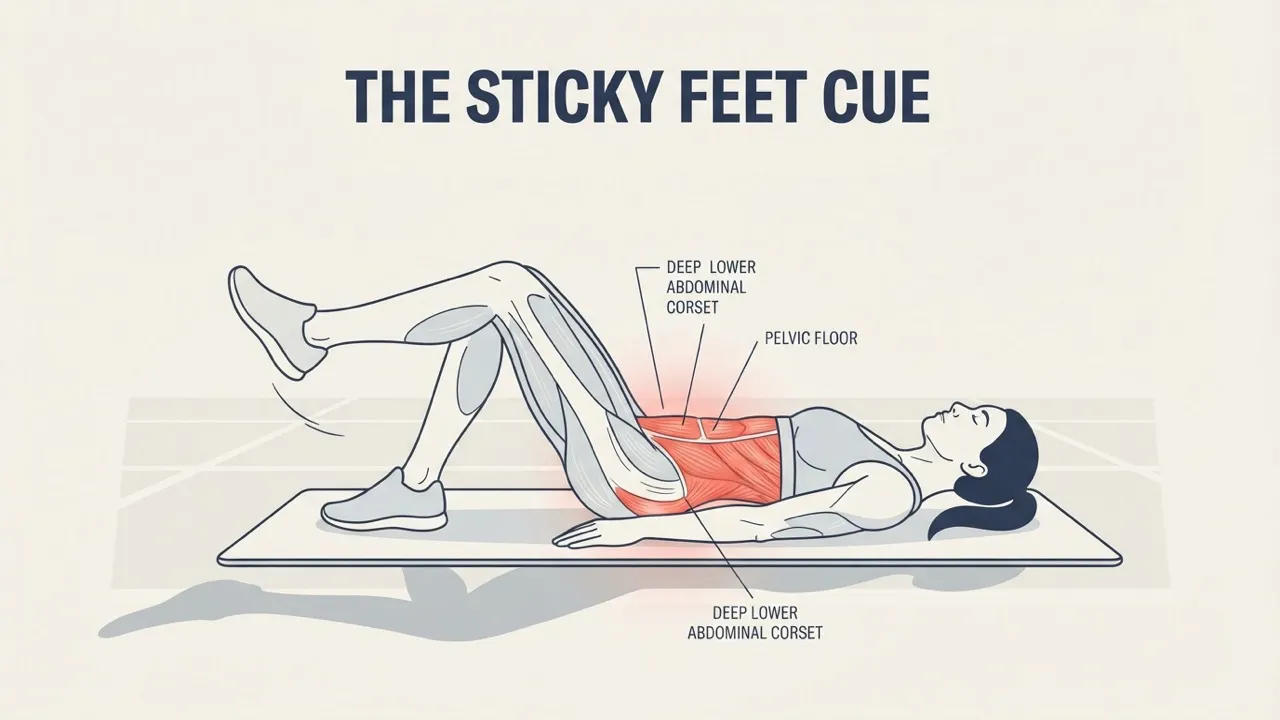
Explain the Pilates Cue – Sticky Feet

Imagine chewing gum under your feet and make your techniques on the mat better 

We are back with another instalment of Explain the Cue, and this month we are looking at the motivation for “sticky feet”. You will hear us use this cue whenever we are doing mat Pilates exercises in single or double float. 

The exercise

Start by lying on your back, knees bent. Use a towel to make sure your neck is well supported. Concentrate on your pelvis, feeling for the position where your tailbone feels flat on the mat – notice that this gives you a neutral, small curve in your lower back, away from the mat.

Take a breath in to prepare, deep and wide. As you breathe out, lift the pelvic floor, deepen the navel towards the spine, and lift one leg. Hold there for a deep and wide breath in and, as you breathe out, lift the pelvic floor, deepen the navel towards the spine, and lower the leg. Alternate legs and repeat 8-10 times.

 The goal of the exercise

Like many exercises in Pilates, this seemingly simple, easy movement is designed to activate your deep abdominal muscles (transversus abdominus) and the pelvic floor – your pelvic stabilisers or ‘core’. Once your core is properly activated, your lower back and pelvis will stabilize your entire body as you move your legs throughout the day.

To do the exercise correctly, the tailbone must stay flat on the mat, not digging in or peeling off, and the lower back curve must be maintained – no arching or flattening. If your pelvis and lower back don’t stay in this position, the target muscles will not be activated, and you will be moving your legs for nothing! 

So how does chewing gum fit into all of this?

This is where “sticky feet” can help. Each time you start to lift a foot off the mat, imagine that the mat is coated in a sticky substance – like chewing gum – preventing you from pulling it off quickly. In response, lift the heel first, rolling through the foot, so your big toe is the last thing to leave the ground. This allows for you to really prepare the muscles about the pelvis, turning them on and being mindful of your pelvis posture not changing.

Keep this ‘stickiness idea’ going throughout the exercise! As your leg lifts through the air, imagine it is moving through a thick fluid – like honey – so that the movement is slow and the leg feels heavy as it moves. As you lower the leg, again imagine pushing it through thick honey, touching the mat with your big toe very lightly and slowly, softly, reversing the lifting motion, rolling your foot down as if you are trying not to squash something soft and fluffy – like cotton wool.

These visualization cues slow down your movements and ensure you maintain full control. This will ensure your lower back and pelvis stay steady, stable and anchored, which will fully engage the deep core muscles both before, during and after you lift your leg. Imagining your sticky feet will also stop muscles about the hip and leg engaging and working in place of the real target- your pelvic stabiliser muscles.

Read More

Can Pilates help with my pelvic girdle pain in pregnancy?

During pregnancy, levels of the hormone relaxin drastically increase to help your soft tissues stretch, allowing plenty of room for your growing bub. However it can also have its downside – the joints in your pelvis can become excessively flexible, sometimes causing pain with movement. This pain is called Pelvic Girdle Pain (PGP), and 45% of all women will suffer from it with 25% continuing to experience it postpartum.

To understand what is going wrong and how we can help, let’s take a closer look at the pelvis. It has three joints that are affected by PGP.

The pubic symphysis.

This joint sits at the front of your pelvis, down low where the pubic bones are joined together with cartilage and ligaments. This joint transfers the load of the trunk from your tailbone to your hips and acts as a shock absorber while you’re walking.

The sacroiliac joints (SIJs)

Of which you have 2. They sit at the back of your pelvis, connecting your tailbone (sacrum) to the large curved pelvic bones (the iliums) with ligaments. These convert rotational forces generated by your lower limbs through your spine, stabilising you and also helping to absorb shocks.

Pelvis diagram

During pregnancy, relaxin allows the ligaments of the pubic symphysis to stretch, letting the pelvic bones widen apart – a very important adaptation your body makes in preparation for delivery. However, this can cause pain on movements whenever your legs are wide apart such as when getting in and out of a car.

Relaxin also makes the SIJs more hypermobile, which can lead to a dull, aching pain near your tailbone (near the dimples) on one side or both. This may be particularly acute whenever your hips rotate and bear weight at the same time, such as when standing up from sitting, climbing stairs, or expended periods of walking. The pain may also feel like it is in your lower back, buttock, hip and thigh even though the SIJs are the real problem – we call this referred pain when it appears far from the true cause.

PGP is likely to worsen as the pregnancy progresses, but more than 70% of women whose symptoms started with their pregnancy are pain free by 2 months post delivery without the need of physiotherapy treatment. In the meantime, gentle core stability exercises such as those found in Pilates can help to stabilise your pelvic joints by increasing your postural muscle support – all helping to keep your bones in the right places! Exercises that gently engage the pelvic floor and deep abdominal muscles (as you have experienced in your Fix Program pregnancy classes) are particularly effective.

In the unfortunate (though fortunately rare) cases of severe PGP, hands-on physiotherapy treatment can offer relief and help correct the joints’ positions. One of our Fix physios can also test to see if using a pelvic stability belt might ease your pain. These are designed to offer compression during painful movements to the lax pelvic joints. We are also great at giving advice on movements to avoid, practice of movements to adopt and exercises to limit your painful movements.

So please don’t hesitate to let us know if you need further help with your PGP – there is a lot that physiotherapy can do to help you, like compression wear as seen below until you, your body and your bub are all settled.

pregnant women getting fitted with belt

Read More

Explain the Pilates cue – the mango

Holding the ripe mango under your chin 

In your Pilates classes at The Fix Program, you will have heard us reminding you to keep a big juicy ripe mango gently tucked in between your chin and chest. This is another of the many visual cues we use to help you correct your neck and upper back posture, engaging the deep postural muscles that support an ideal alignment.

Why I do I need to think about a mango under my chin?

When you’re sitting or standing for long periods, you might find your neck falling forward, your chin creeping out in front, your shoulders rounding forward, or even all three at once. Desk work and watching TV are when I notice this the most, when it sometimes even feels natural to relax my entire upper body and let it hang loose.

The truth, however, is that this slumping greatly increases the curve (technically the lordosis) of the cervical spine as the upper vertebrae slide forward over the ones below. The spaces between the vertebrae become more narrowed, leaving less room for your nerves to enter and leave the spinal column – this can exacerbate or even cause pain in the neck, head and even arms.

Also, forcing the outer muscles of your neck and shoulder to hold your head so far out increases their tightness and fatigue, causes pain and heachaches that are cervicogenic (which means ‘from the neck’). At the same time, your chest muscles become tight and shorten, your shoulder joints held forward and stiff, and the more you do it the harder it is not to!

So, how do I ‘hold my mango’?

To counteract this, we ask you to imagine that you’re very gently holding a big juicy mango between your chin and chest. Your head will gently be drawn back in line over your body, the back of your neck growing long and tall, and your chin slightly tucking down to gently hold your big mango to your chest. This restores the lordosis of your neck and upper back to its ideal state, optimally spacing out your vertebrae. It also relieves a lot of the weight of the head on your neck muscles – sitting atop your spine allows gravity to take over, relieving that familiar neck stiffness.

But most importantly this postural cue helps us to gently switch on the tiny, deep muscles near your spine in the neck called the deep neck flexors which, when activated properly, should work gently to support your neck in a tall, lengthened, ideal posture as you go about your day and practice your Pilates exercises.

Try to hold your mango very gently, so as not to squish its softness! This will keep your deep neck flexors doing the work and growing stronger, and help to avoid overuse and fatigue of the outer neck muscles.

So always remember your big juicy mango wherever you are, from sitting at work, on the sofa, carrying your shopping or your toddler. This will help you to stay properly aligned and supported to avoid postural neck pain and headaches.

Read More

Explain the Pilates Cue - The rack of ribs

The rack of ribs

Have you ever found yourself in a Pilates class wondering why we’re telling you to ‘think long through the waists’ or to ‘melt between the sit bones’? We can hear you thinking ‘What new impossible task will I be asked to do this week – wiggle my spine-toes?’ Explain The Pilates Cue is a new category of articles you’ll see popping up in Fix News over the coming months in which we will look a little closer at all those weird and wonderful verbal cues and uses of imagery we mention so often to aid us during our Fix Program classes.

So why do we love to use these cues at The Fix Program? We know from the research that motor learning and skill acquisition can be greatly improved by the use of visualization techniques. We layer multiple cues which, through practice, reinforce the laying down of new nerve pathways in the brain during exercise and postural practice. This way it will become a new habit for you, even outside the context of the studio.

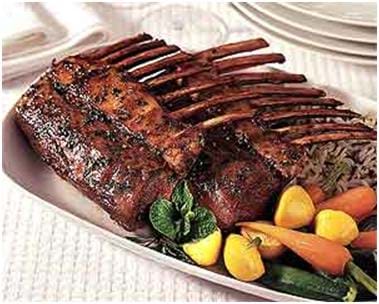
Let’s get into unraveling our first cue, the ‘rack of ribs’ – which is certainly not an invitation to dinner! Our familiarity with their shape, however, makes it a useful visualization tool which can, through applying the right Pilates techniques, address problems in our posture.

Imagining the iconic meal of ribs, where each individual rib is parallel and separated by even gaps filled with delicious meat. These intercostal muscles (the ‘meat’) should be just as equal between parallel ribs in our own body, making the ribcage equally tall on both sides. For those of us who slouch to one side, we can imagine the result - a tightening of the intercostals muscle space between each rib can become smaller and less even – by thinking of the results on the dish. When the ribs close together like a folded accordion with a slight sideways twist, it is far from ideal in both the culinary and the physiotherapy sense. This poor rib posture can set up poor movement patterns and muscle activations in the trunk, can affect the neck and lower back, change nerve dynamics in the area and even interfere with our breathing.

Putting this into practice, imagine how we might reduce the space between our ribs when we valiantly attempt to ‘glide the shoulder blades down the back’ (a cue for another post perhaps?). When doing arm work and setting the shoulder blades, think of the blades gliding freely over the top of the rack of ribs without causing those ribs to lose their lovely parallel gaps and collapsing downward on one side. Another reason to ‘keep both sides of your trunk long’ (yet another cue)!

Why not try thinking of your rack of ribs next time you’re doing Scissor Arms on the mat or as you stretch into a Wall Twist? And then carry this visualization into functional activities as you carry your child or a heavy bag of groceries or when sitting long hours at your desk.

Then you can get back to dreaming wistfully of dinner.

By Tabitha Webb

Read More

So which exercise is best for you?

To cycle, or run or walk – that is the question

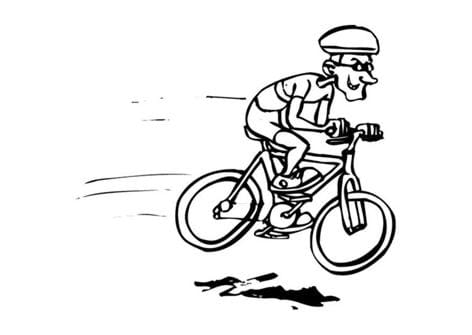
cycling image

http://well.blogs.nytimes.com/2013/08/29/ask-well-is-it-better-to-bike-or-run/

I recently came across this article in the New York Times, which briefly discusses the pros and cons of common exercise. I thought I would lay out some of the reasons for choosing or avoiding various forms of aerobic exercise. The three forms of exercise that were compared were walking (6kph), running (14kph), and cycling (28kph).

Firstly, there is weight management. Running is the winner here at 1,000 calories per hour, cycling is close at 850, and walking consumes only 360. Clearly the high-intensity workouts are best. Note also that you need to walk for nearly three times as long as you would run if you wanted to burn the same amount of calories.

In addition, running and cycling (as high-intensity workouts) cause lower blood levels of ghrelin, a hormone linked to hunger, so act as appetite suppressants as well. However these two more strenuous exercises compare very differently when considering impact – as cycling does not involve weight-bearing, injuries and muscle soreness are far less common among cyclists than runners. Walking is by far the least strenuous, of course!

The characteristic shared by all exercises is a positive effect on wellbeing – aerobic exercise leads to cardiovascular fitness, which is linked to lower risk of chronic diseases and an increased lifespan. Additional motivators for us at The Fix Program are that fit people experience less pain, have improved mental health and sleep better.

As with any form of exercise, combining them with a core stability, postural and stretching program (such as Pilates) can reduce risk of injury and improve performance by ensuring your body is working in optimal, stable balance as you train. There is no ‘best choice’ of exercise to pair with such a program and achieve all these benefits – any form, or even a variety, can be modified to best suit your preferences, safety and weight loss needs.

Author Tabitha Webb

Read More

Showing 6 of 16 articles by Tabitha

Fix News