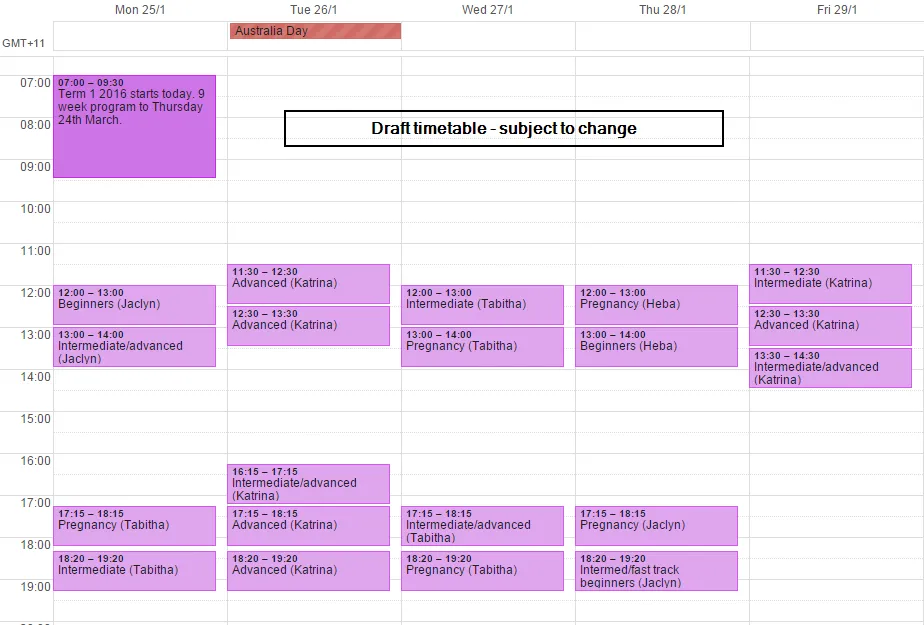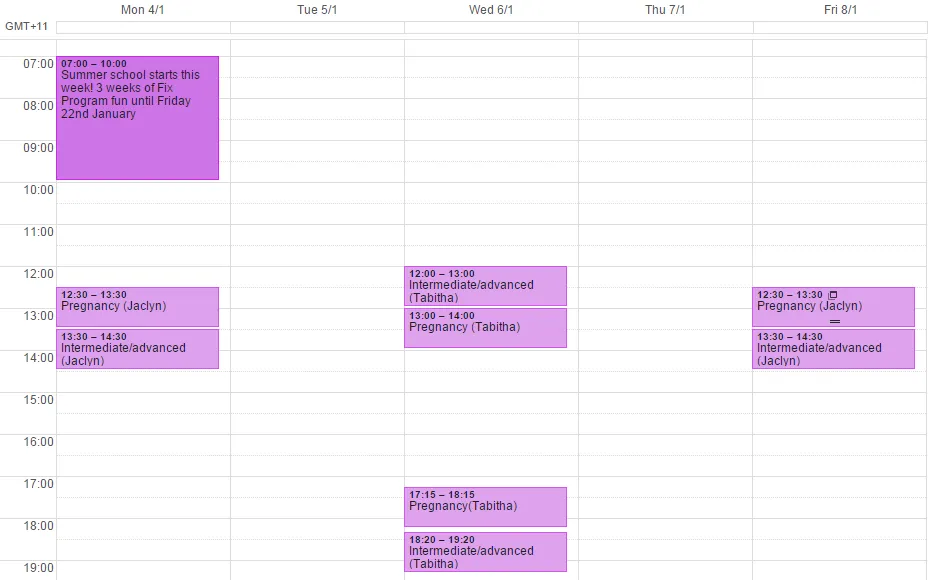
Draft Pilates Timetable Summer School 2016
Draft timetable for our summer school 2016 pregnancy pilates and pilates classes in our sydney cbd studio
Resistance and weight training
Strength or resistance training has many reported benefits, but just picking up any old set of dumbbells or barbells could do you harm. Inappropriate weight, poor postures while exercising and dodgy techniques can all mean possible injury. Throwing your body around, grunting and thrashing about in front of the gym mirrors is not the way it’s done!
Weight training uses resistance to build the strength and endurance of muscle. Doing weights repeatedly and consistently, your muscles become stronger. Some of this is due initially to a phenomenon called ‘neural adaptation’. This is felt as an initial noticeable gain in strength, and is attributed to the nerves firing more messages to the strengthening muscles, making it contract harder and stronger. After this initial adaptation, there is a plateau we feel in our strength gains. Keeping the muscles guessing with a broad range of exercises and movements will get you that extra strength. This is when the muscle fibres actually start to thicken or ‘bulk up’.
To put this into perspective, a muscle fibre within any of your muscles are as thin as a human hair. The cells of these fibres are what thicken in response to resistance training. It is also thought that we are born with a finite number of muscle fibres, so weight training cannot stimulate your muscles to grow more. It is only this thickening (or hypertrophy) of the muscle fibre cells that make us look bulkier in our muscles.
The basic principles of weight training
There is so much out there in the literature to read about training programs. However, here are a few of the basics for the novice when it comes to weight training. All principles below must be considered for a safe and effective program.
How heavy should I make my weights?
In resistance training, the term Repetitive Maximum (RM) is used to work out the right weight for an individual. RM is the maximum number of repetitions that can be completed with a given resistance or weight before the muscle fatigues. To gain strength, the muscle needs to reach fatigue for the changes to take place in the nerves and the muscle fibres.
It is the RM range that determines what type of improvements the muscles will make. The optimal range for improving muscle strength is 8–12 RM for a beginner and 2–6 RM for the more advanced. So using the beginners RM of 8 as an example for a biceps curl, this is the weight that this individual can curl the given weight 8 times, but feels that the last few reps are really getting difficult. Not impossible, but with a little strain, effort, quiver or ‘burn’. Strive for 3 sets with a rest in between. Stretch or move to another muscle group for your ‘rest’.
It is often a good idea to seek help with this weight prescription. If you can imagine the numbers of muscle groups to set the right weight for, there is quite a bit involved to get it right. Too heavy and you risk injury. Too light and you will not get the training benefits.
As you become stronger, you will notice that the 8RM weight starts to feel too easy. It is time to work out how to progress. You can either increase the reps to 12-15 with that same weight, or add an extra set. Or find your new 8RM, which will be a slightly heavier weight to feel that fatigue in your last repetitions once again.
How should I move with the weighted exercise?
Here are a few tips with respect to movement.
My wrists and elbows hurt
The way in which you hold the dumbbells or barbells can increase your risk of injury around your lower arm and hands. Tendonitis of the forearm or wrist muscles can occur with too much loading or stress through the region. Big heavy upper body weights are probably OK for your shoulders and upper back, but these weights would be too much for your lower arms to bear. Keep safe here and not put yourself out of weight training due to a pesky tendonitis injury. They are often hard to settle and will only bring about frustration.
How can I keep my muscles guessing?
So you’ve got the bug and can start to see and feel you are stronger. Perhaps you are passed that now and for your efforts, you can’t feel as much gain. Don’t feel disheartened; just mix it up a bit. Still staying safe with all of the tips above, why not consider:
This variation will keep your body and muscles guessing, move you in different ways and prevent that boredom of repetitive unidirectional movements.
There is so much to weight training, but this will give you a great start. Feel free to ask your Fix Program physios about the right sort of weights use for you. And if you’re at all worried about your postures when at the gym, wrists hurting or how to employ good technique, ask us!
Perhaps you could spread the word when you see those fast moving, breath holding, poor postured, red faced gym goers at your local gym!
Do you feel like your legs are as thick as tree trunks?
By Nicky Davies, Massage therapist form TREWellness Centre, Cremorne
You may be pregnant, trying to get pregnant or had your baby. It doesn’t matter which boat you’re in, no doubt you’ve heard lots of stories about “what to expect when you’re pregnant”. Every pregnancy differs from person to person and baby to baby, however some symptoms are quiet common.
One of these is puffy legs, ankles and hands (which can lead to carpel tunnel syndrome.) This is one of the conditions that we aim to relive or elevate with pregnancy massage.
Hormones, namely progesterone and oestrogen, have a huge role to play during pregnancy which is to primarily prepare your body for the main event. Unfortunately these hormones also cause some unwanted effects, such as pregnancy related swelling. Swelling (or oedema) is an increase of fluid in the body. This can often be up to 40% in the third trimester of your body’s usual fluid levels. No wonder it gets stores in the legs and we are left feeling puffy and without shapely wrists or ankles! Progesterone causes the smooth muscle to relax which impacts on the body’s ability move or pump the oedema away. This oedema often pools in the ankles, calves hands and wrists.
Even Kim Kardashian can’t escape pregnancy related ankle swelling!
Pregnancy massage to these areas consists of long gentle pumping strokes to help flush out the congested areas, a bit like a lymphatic massage. This helps to reduce the discomfort on the surrounding soft tissues and improve mobility of the ankle joint. This has, with some clients, provided relief with restless leg type complaints due to the improved circulation.
For more information of the benefits of pregnancy massage take a look at TRE Wellness Centres website: www.trewellness.com
TRE Wellness Centre was evolved with a very clear goal in mind, which we believe makes us that little bit different.
Nicky Davies
Nicky has been in the allied health industry for over 12 years, with a passion for helping people of all ages and backgrounds to achieve their health goals. Nicky has a BSc in Sports Therapy from the UK, Pregnancy massage Certificate, Post Graduate certificate in Vocational Education as well as qualifications in Personal Training and Nutrition. As well as practicing, Nicky is also an educator of health and remedial therapies.
Enjoy the warmth and glow after this modification of the famous yoga sequence
In some of our Pilates classes, you may get a taste of the ‘Salute to the Sun’ or Sun Salutation. This is a common ritual and practice in all yoga styles and it has tremendous physical and mental benefits. To ‘salute the sun’, we are bowing down and respecting the energy, power and life the sun brings. It can be practiced anytime, but traditionally and typically is done each morning facing the sun as it rises. Not all of us are out of bed at this time, so make it one of the things you do every morning to charge the batteries, and say hello to your mind and body.
At The Fix Program, we cannot go past the amazing challenges it brings to our postural awareness, control and strength. From the breath with the diaphragm, to the mindfulness of good neck, trunk and pelvic posture, this sequence will have you on your toes, but feeling amazing for it.
So, what are the benefits of this practice?
Can I challenge you to try an easy Sun Salutation at home?
So if I’ve convinced you to give this a go, be patient and take time to learn this easy series of postures. Many of them (in fact almost all) are stretches and exercises already known from regular class attendance. It is now just about putting them together in a flowing sequence.
Being that it is me, physio from The Fix Program asking you to try this, be very mindful of all you have learnt from your classes here. Just because it is a Yoga practice, please don’t forget all of your Pilates cues! These things will protect you from injury and allow for you to achieve balance in your postural muscles. So, to remind you, here are the basics again for think of throughout your sun salutation:
Let’s get started with the flow of the poses!
Keep referring to your mindfulness of all the postural cues above.
Begin in tall Active Standing. Breathe in to prepare.
As you exhale, roll down through your spine
Step your right foot back behind you at hip width and sink your hips forward into an easy ‘Warrior 1’ pose. Hold for 3 deep and wide breaths.
If this is too challenging for your balance and strength, modify this pose with your right knee grounded to support you. Hold for 3 deep and wide breaths.
Step your feet back together.
Step your left foot back at hop width and sink into an easy ‘Warrior 1’ pose for this side. Again, modify if you feel you need. Hold for 3 deep and wide breaths.
Step your right foot back to meet with the left. You are now in ‘Yoga plank pose’. Really watch your alignment and postures here to protect your neck, shoulders and lower back. Keep breathing.
With control, lower your plank to the floor, keeping your spine long and protected and elbows bending at your side near your waists.
Rest for a moment on your tummy and on an inhale, extend your arms to peel your chest and trunk from the floor with your legs still on the mat and toes pointed. Hold for 2-3 deep and wide breaths.
On an exhale, with toes curled back under, lift your hips and push them back towards your ankles. You are now in ‘downward dog’ pose. Watch your neck posture and melting shoulders, and imagine your sitbones lengthening to the sky. Try to extend out your knees and lengthen your heels to the floor. Hold for 3 deep and wide breaths.
If this is too challenging, allow your knees to bend as you push back into your heels. Hold again for 3 deep and wide breaths.
Let your knees bend and step your feet forward to your hands. Enjoy the heaviness of the relaxed body.
As you next exhale, roll up though your spine.
So this is the sequence. You will learn it quickly. Try to repeat it a few times if you’ve time. I aim for 5 rounds of this sequence, but this is personal. Some avid yoga fans can run through a ‘sun salute’ similar to this up to 20 times each morning!
Shin pain explained
With the running season and warmer weather just around the corner, many of us may be slipping on our trainers to get out there and exercise. Be cautious! Have you suddenly increased our walking and running intensities to risk injury? A sudden increase in the levels of our exercise may cause overuse injuries, especially in our legs. This is particularly so for hips, knees, feet and everything in between.
There are many factors that predispose each of us to such injuries, but typically poor mechanics or weaknesses are the culprits. Other causes can include:
Let’s explore shin pain in more detail, as this is a very common complaint and diagnosis is often mistaken.
What causes shin pain?
There are several causes of shin pain, but the most common is shin splints. Shin splint pain is felt down the inside edge of the tibia (shin bone) and is due to an inflammation to stresses too heavy in the deep muscles of the calf. These deep calf muscles include tibialis posterior (the muscle supporting the arch of our foot), flexor digitorum longus (the muscle that curls or flexes our toes), flexor hallicus longus (the muscle that flexes our big toe) and soleus and attach to the inner border of the tibia. The connective tissue responsible for attaching these muscles to the tibia is known as the tenoperiosteum. Every time the calf contracts, it pulls on this tissue and if too forceful or repetitive, damage, inflammation and pain can occur.
Typically, the pain occurs with exercise and eases with rest. There is sometimes a rest at ache such as on the evenings after exercise.
This type of shin pain can sometimes occur with another cause of shin pain, compartment syndrome. Compartment syndrome occurs again in the calf and most frequently in the deep calf muscles we have mentioned above. These are closest to and just in behind the shin bone (as with shin splints). These deep muscles are encased in thin tissue called fascia, thereby creating a ‘compartment’ of muscle. When there is activity requiring repeated use of muscles within the deep muscular compartment (such as walking, running, dancing or jumping), there is a local increase in blood flow, causing the muscles to swell. Subsequently, the pressure within the compartment increases excessively (unable to escape) during activity. From this there can be symptoms such as muscular tightness, shin and calf pain, weakness, pins and needles or numbness.
The third common cause of shin pain is the one we hear of and fear the most – stress fractures. Being a physio who treats clients with shin pain, it is often thought by my patients that stress fractures are the cause of their pain. But this is rarely the case, thank goodness. Tibial stress fractures are very small incomplete fissures or cracks in the shin bone. They are due to compressive forces in the tibia being much greater than the bone can handle. This could be due to an inappropriate or sudden increase in training, training surfaces being too hard or uneven, or foot and shoe mechanics not being supportive enough. Most patients will recover with 8-12 weeks of appropriate rest and structured and gradual pain free return to exercise, although some will require up to 6 months.
With any person presenting with shin pain due to exercise, treating physios should always keep in mind the need for further investigative scanning if reduction in shin pain is not seen. Bone scans, MRIs, crutches, and bracing may be required to ensure correct diagnosis and if exhibiting stress fractures, allow for healing to occur with enough rest.
So, how do I know what is the cause of my shin pain?
Your friendly physio or podiatrist should be able to assess and get a really good idea of the sort of shin pain you have. By asking you about your exercise levels, looking at footwear, assessing your muscle strength, length and control about the hips knees and lower leg, having a good feel and poke around – we will get a great idea. Keeping in the back of our minds, the possibilities of referring for bone scans or MRIs ( to confirm our diagnosis) will be part of our thinking too.
Management of these injuries will really depend on what is causing the shin pain – massage and stretch work through tight muscles and structures of the leg such as the hip flexors and calves, muscle strengthening and stability work for weakened regions, advice on pacing plans to return to exercise without injury re-aggravation and of course, working with a podiatrist to improve foot mechanics, forces, orthotic prescription and shoe advice right for your foot and sport.
And how to I prevent all of this from happening in the first place?
Well we all know that prevention is better then cure, which again screams true. After all, the last thing you want is to be told you cannot exercise for 6 weeks or more – just as you are getting into your fitness regime beautifully and feeling the rewards.
So, to keep it simple:
So, no excuses to get out there and get a little fitter. See you on the starting line!
Hear how mums love the SRC shorts
The gentle compression offered with this range of shorts and leggings can reduce pregnancy pains in the back and pelvis, and assist with keeping abdominal muscles activating as they should to support your back posture. This is particularly essential as the pregnancy posture takes hold. Support for the pelvic floor region, and help with the pain of varicose veins, other wonderful effects of pregnancy that no one told you about(!) are also achieved with wearing these garments.
The Fix Program is one of the few Sydney CBD based stockists of these shorts. We even offer a free of charge fitting appointment with one of our physiotherapists to make sure of your correct size. It is reported that women who found the shorts unhelpful were actually wearing shorts either too loose or too tight, losing the positive effects of wearing them altogether.
So, getting those measurements right is crucial!
Here are a few of the positive things women have stated with wearing these in both pregnancy and after.
“Going into my first pregnancy I had suffered sacroiliac joint, hip and lower disc pain for about five years. My condition was so severe I would have regular cortisone injections into my SIJ joints a few times a year, to relieve the inflammation and pain, not to mention the physio visits! I already had a cupboard full of back support braces and pelvic belts etc, but had heard about SRC Pregnancy shorts and thought why not give them a go? When they arrived I was a bit skeptical as they felt like they probably wouldn’t have enough support for me, but after persisting and wearing them for around 20 hours a day, and during the night, the results were instant. I absolutely loved them!”
“After delivering my baby, a healthy 10.5 pound bundle of joy, I began wearing the recovery shorts from day 2 and with the combination of being healthy before and during pregnancy, then breastfeeding and wearing the shorts, my body bounced back to shape in no time.”
“I love these garments. There was a 2 inch split between my abdominal muscles after the birth of my second child and even though I didn’t get these garments until about one month post birth, they had an amazing impact. Not only did I feel much stronger through the core, they also helped reduce back ache by offering support when I bent down to pick up my (heavy!) son.”
“I commenced wearing the shorts the day after my second baby was born. I found the shorts to be extremely comfortable and immediately provided major support, compression and relief to my perineum and abdominal muscles.”
So, have a chat with our physios after your pregnancy Pilates classes about these SRC Pregnancy and Recovery Shorts, or call us to arrange a time to come in and be fitted.
Picturing the front hip muscles
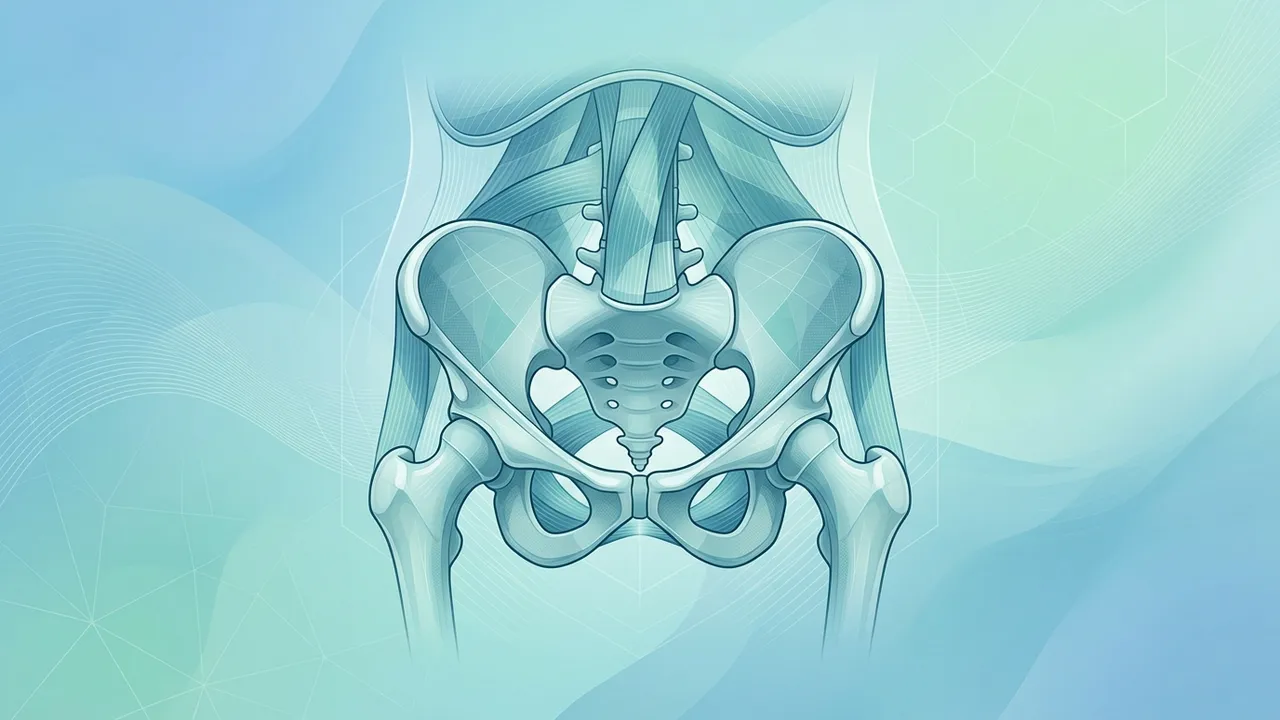
Visual pictures can really help with locating the tricky and deep tissues in our body that we cannot see. This is especially so for our recent work in our Pilates classes on the front hip strength and stability.
“Imagine standing on eggshells and your thigh sinking back into your hip.”
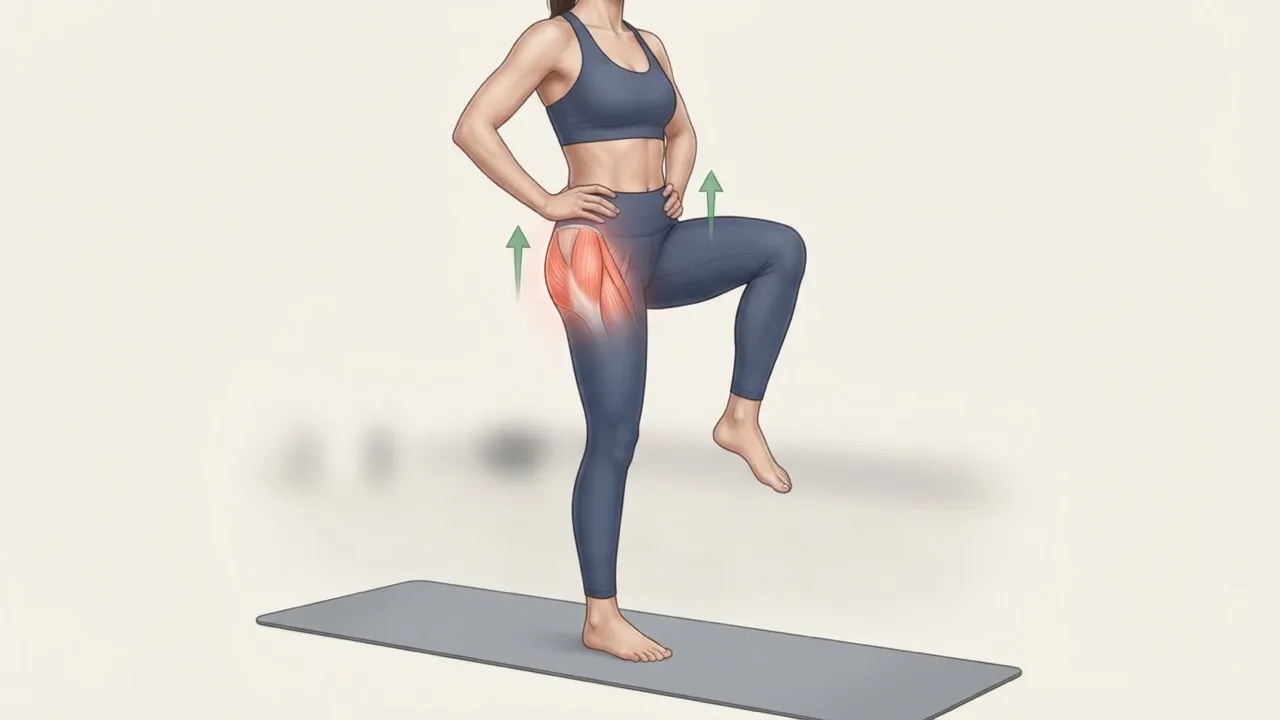
This is the instruction to help you to activate the deep front hip muscle called ‘iliacus’. You can see this muscle in the image. Iliacus is a part of the hip flexor muscles – the ones that lift your leg up in front of you as with walking or lifting each leg to walk up stairs. Psoas major is another of these, and is the stronger of the 2.
Iliacus has a more important role and that is to hold the top of your leg bone or femur securely in the hip socket. Iliacus should do this as the bigger muscle ‘movers’ go about moving your leg about. It is one of the muscles giving that ball and socket joint a lovely tight fit.
By looking more at the iliacus muscle in this picture, you can almost imagine that as it contracts or shortens (as a muscle does when it activates), it will suck the leg bone up into the pelvis better.
And hence our postural cue above!
So when we do our squats, lunges, and mat work, picture your iliacus gently drawing your femur into your pelvis for a happier and healthier hip. And remember that sometimes we will not feel much happening at all, and quite often this is the goal.
Subtle, subtle! Less is more.
Do you really know how pain works in your body?
So we have all been in pain from time to time or perhaps more frequently than we’d like. Does this make us an expert on pain? Lorimer Mosely has a post-doctorate in pain and was also a physio in days gone by. He has adapted a pain quiz to test us on our knowledge on all things nerves, brains and pain. Test yourself on this extract from his quiz. I’ve reworded some questions to make them easier to understand, but if you’d like the full quiz, let me know.
Answer true or false to these statements.
Did you write down all of your answers? You can check the answers below.
Pain is an amazing thing and we are still unravelling its complexity in our bodies, brains, psychology and biology. Modern scanning has allowed for a real window into the brain and our understanding has grown in the past decade. So much so that this understanding has given us as health professionals the ability to educate our patients about the pain they are in. And on top of that, the research demonstrates that through knowing and understanding pain, pain can actually be diminished in individuals from this alone! Incredible.
If this interests you, there are a few amazing books about for suggested reading. Why not try Explain Pain ( Lorimer Mosely, David Butler) for a fresh view on the physiology of pain, or The Brain That Changes Itself (Norman Doidge) for wonderful tales about the brain’s ability to change, called neuroplasticity.
Know pain, no pain.
Quiz answers:
1.F 2.F 3.T 4.F 5.F 6.F 7.T 8.F 9.T 10.T 11.T 12.T
Showing 10 of 290 articles by Katrina Tarrant