The Fix Program Blog

Muscle strengthening in Pilates : move slow, grow strong

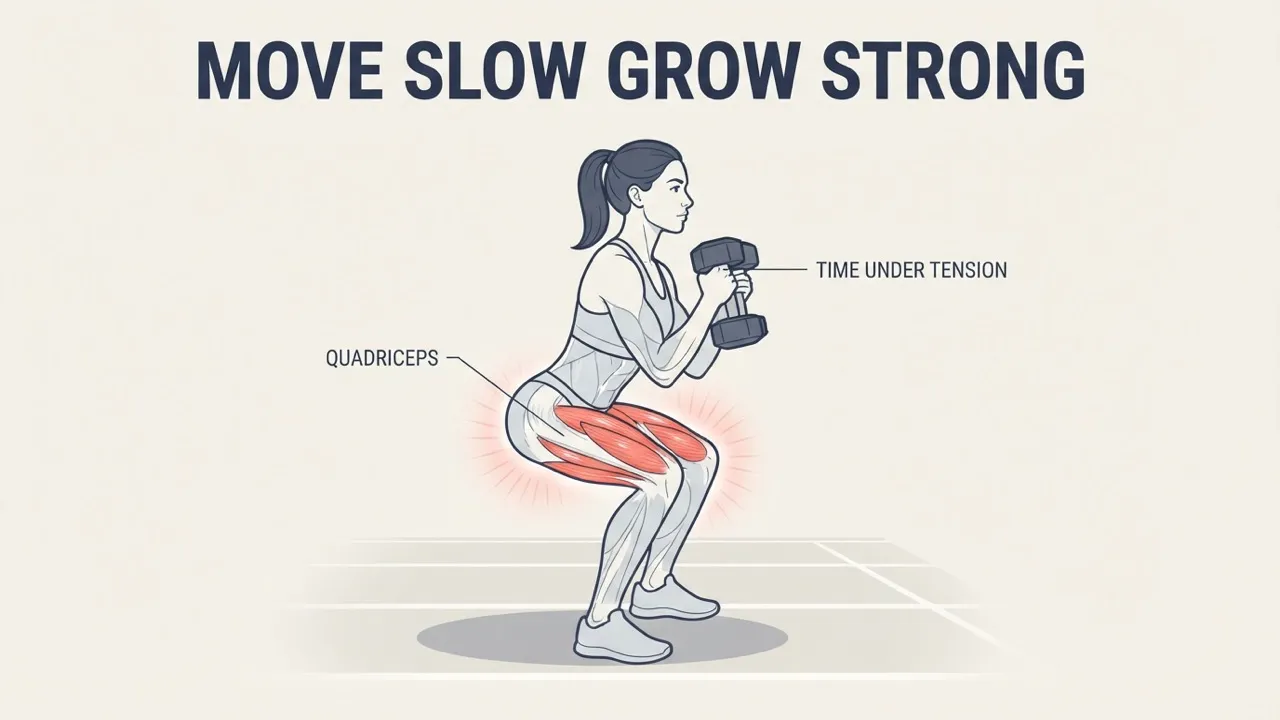
I adore moving slowly, especially in a mindful movement class like Pilates reformer or my mat classes. The same can be said for weights at the gym. Moving slowly feels safe and it feels really good. The after effects are huge in the days that follow, but why do slow movements work so well? There are many great reasons why slow movements are used in muscle strengthening.

💪Training slow brings your muscles to exhaustion by keeping them loaded throughout the movement. This is called ‘time under tension’ (TUT).

💪Using a slow weighted movement to fatigue produces greater increases in rates of muscle protein synthesis than the same movement performed rapidly.

💪Lifting with a slower tempo, when controlled for the same relative load, increases the total energy required and improves your metabolic function.

💪Slow movements reduce your injury risk, requiring better awareness of technique and movement patterns. Making any needed changes here are more possible than when moving explosively or quickly.

💪Slow movements in each direction ask much more of your smaller supporting and postural muscles. These important stabilisers to all of our movements can really benefit with gains in strength and endurance with slower movements.

💪 Slower, controlled movements are often used to stimulate muscle hypertrophy or growth, while faster, uncontrolled movements are typically employed to develop strength and muscle power.

So, learn to move a little slower within parts of your gym, Pilates or boot camp classes and routines.

#strength #musclestrength #strengthtraining #thefixprogram #thefixprogramsydney #thefixprogramonline


7 Oct 2022 BY Katrina Tarrant POSTED IN Exercise, Physiotherapy

Oestrogen, menopause and muscles

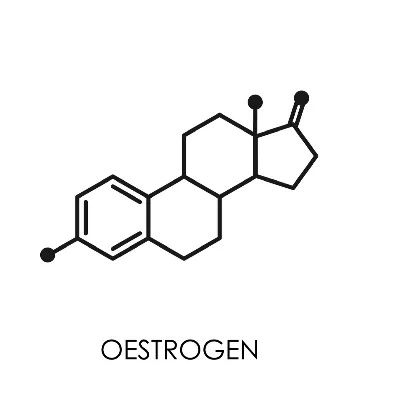
Oestrogen, the female hormone, plays a huge role in the body of every woman. It’s levels are always changing throughout the life cycle of a woman, with the monthly menstrual cycle, decreases during peri-menopause and beyond, and it’s manipulation through a woman’s life with the oral contraceptive pill and HRT. We also know that it is clearly beneficial for muscle mass and strength in the training athlete and everyday exerciser.

Here are some cool facts to ponder from the research, especially if you are trying to build muscle strength and are in the menopausal period of life.

💋 Muscle mass, and therefore strength, is largely dependent on the balance between the synthesis and degradation of muscle protein when stimulated through exercise or load.

💋 Higher rates of muscle protein synthesis and breakdown have been observed in these women when compared to age matched men and pre-menopausal women (Smith et al., 2014). There appears to be an imbalance between the protein build-up and breakdown, leading to a shift to the latter and a rapid decrease in muscle mass and strength.

💋 When oestrogen levels were raised to that of pre-menopausal women using estrogen replacement therapy (ERT), the response to the muscle protein synthesis and overall muscle mass was normalized (Hansen et al., 2012).

💋 ERT or HRT is therefore beneficial for peri- and postmenopausal muscle mass and function. Combined with exercise, improvements in muscle mass and function have been shown to be more beneficial than HRT ( or exercise) alone.(Beydoun et al., 2012)

Training smarter and chatting with your GP about the right oestrogen replacement for you, will get you feeling stronger, less vulnerable to injury or frailty, and achieving those goals!

#muscle #musclestrength #musclemass #perimenopause #menopause #menopausemuscles #oetrogen #ERT #HRT #thefixprogram #thefixprogramonline #thefixprogramsydney #physio #pilates


Simple postural awareness : The shoulder blades and upper back

When it comes to good shoulder function, upper back posture and a content neck, it all comes down to the work across your upper back and shoulder blade support muscles. We call this ‘scapular stability.’ When your shoulder blades (or scapulae) are supported with the right muscles and in the correct alignment, everything up there in the top of your body just works well and in balance.This can alleviate pain and injury, with everything from neck pain and tension, headaches, rib and upper back complaints, shoulder impingement, rotator cuff and biceps tendon issues and upper limb nerve pain.  

Let’s keep the shoulder blade and ‘scapular stability’ awareness super simple. 

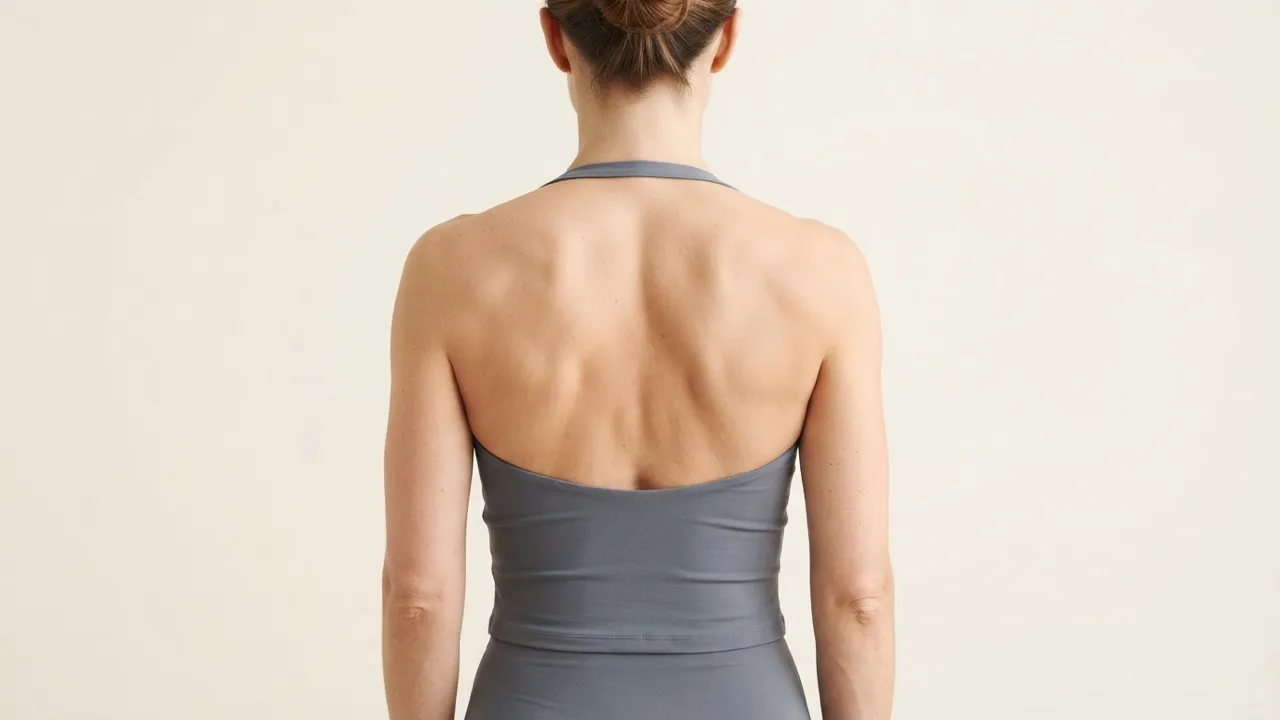
✅ Imagine your shoulder blades sitting on your upper back. You want to feel that they are gently widened and sitting flat upon your back (not winging or sticking sharply off your back). You could imagine them sitting into their little ‘pockets’ like you would picture your bum pockets on your jeans.

✅ Like the image in this post, the pockets on your jeans sit slightly splayed away from each other, just as your shoulder blades should also sit.

✅ You will feel a little work across the upper back - this is excellent and exactly what is required to endure your scapular stability throughout your day.

✅ Also notice that your chest at the front is gently widened.

❎ We do NOT want to squeeze the shoulder blades ‘back and down.’ This creates a dropped shoulder posture, inefficient and non-ideal shoulder movement, pulling on the neck and an over worked or over active “back gripping” posture strategy. Not good end results at all.

#posturalawareness #scapularstability #mindfulposture #shoulderposture #happyshoulders #shoulderalignment #upperback #exercise #pilates #clinicalpilates #thefixprogram #thefixprogramonline #physiotherapy #physio #pictureworthathousandwords


Simple postural awareness: The ribs and trunk

The importance of your upper and middle trunk cannot be underestimated when it comes to your body’s efficient function. Typically a stiffer part of the trunk due to the protective cage for the heart and lungs underneath, the ribs and associated thoracic spine posture issues can quickly arise with our sedentary lifestyles and lack of postural strength.

This important region of the trunk relates so closely with many other functions of your body. Think about your breath and diaphragm action, your neck above, the shoulders and the lower back below. The ribs also play an important role in good pelvic and pelvic floor function, hips and the lower leg. You could say, they play a part with just about everything! 

How can we keep our rib posture and awareness here more simple?

✅ Imagine your rib cage like a stack of 12 dinner plates. Feel how they would sit on top of each other. Note how there would be a small space wrapping all the way around each rib or plate, allowing it float from the plate below.

✅ Pause to take a few comfortable, yet deep breaths, becoming aware of the extra space you create in these ribs as you inhale.

✅ Does your breath bring more mindful focus to how your 12 ribs really are like a floating stack of dinner plates, with your neck above and waists sitting below?

✅ Where do your ribs sit at the moment? Are they stacked?

#mindfulposture #ribposture #upperback #thorax #pilates #clinicalpilates #thefixprogram #thefixprogramonline #physiotherapy #physio #pictureworthathousandwords


Pilates, posture and slow muscle loads

There are many great reasons why slow movements are used in muscle strengthening. It is not always about fast explosive lifting and weights. As a physio, I see the benefits of slow loads, mindful technique and focused strengthening almost daily in my clients. This is how we roll in most of the Pilates exercises that are taught in our clinic. It is, after all, the building of endurance for working and postural muscles that we are striving to achieve when we wish to move better, more efficiently and without pain and tension.  

Here are some cool facts about slow muscle loading and its benefits:

💪Training slow brings your muscles to exhaustion by keeping them loaded throughout the movement. This is called ‘time under tension’ (TUT).

💪Using a slow weighted movement to fatigue produces greater increases in rates of muscle protein synthesis than the same movement performed rapidly.

💪Lifting with a slower tempo, when controlled for the same relative load, increases the total energy required and improves your metabolic function.

💪Slow movements reduce your injury risk, requiring better awareness of technique and movement patterns. Change is more possible here when moving less explosively.

💪Slow movements in each direction ask much more of your smaller supporting and postural muscles. They can also benefit with gains in strength and endurance with slower movements.

💪 Slower, controlled movements are often used to stimulate muscle hypertrophy or growth, while faster, uncontrolled movements are typically employed to develop strength and muscle power.

So, learn to move a little slower within parts of your gym, Pilates or boot camp classes and routines.

#strength #musclestrength #strengthtraining #thefixprogram #thefixprogramsydney #thefixprogramonline


Running injuries : the hard truth

Did you know, that according to Sports Medicine Australia* (SMA), up to 70% of all runners sustain some kind of running ‘niggle’ over any 12 month period of time? Not surprisingly, most occur in the lower body. 

  • 42% are to the knee
  • 17% to the foot and ankle
  • 13% to the lower leg, such as the calf and shin
  • 11% to the hip and pelvis.

Typically, these injuries occur due to training errors, such as increasing the load, the frequency, or the speed too quickly. In addition,  an inappropriate or lack of any cross training for strength and conditioning means our bodies start to break down due to the repetitive nature of the running action. This brings about tissue overuse injuries, and if you’re a runner, I bet you have been there, just like me with my Achilles tendinopathy!

The most common overuse injury noted in runners, is ‘runner’s knee’ - also called patello-femoral pain (PFP). This is pain felt anywhere over or around the knee cap or patella. Iliotibial band friction ( pain and ache at the outer knee), plantar fasciitis (like standing on glass under the heel), tibial stress syndrome ( feels like shin stress fractures, but is not) and Achilles tendon issues also force many runners to the sidelines. 

But..these niggles should never be the end of a running career for those who love getting out there on the roads, parks and trails. 

Physios who run (like me!) are excellent at being your ‘body coach.’ For all injuries, there is a means to keep you exercising with reduced loads. This allows for any inflamed tissues to settle, but to also become stronger and adapt throughout the healing process to prevent re-injury once you return to your beloved running. What’s involved?

  • Start by assessing the whole person. Injuries and overuse in the knee and lower leg can often stem from the trunk, the pelvis or the hip.There is much evidence out there^ highlighting the important role of hip awareness and strengthening in the prevention of ongoing runner’s knee issues. 

  • Use all treatment options to help settle the inflamed body part. Massage and other soft tissue techniques, alignment techniques, sports taping, dry needling to name a few.

  • Establish a graduated training program as soon as possible. This can happen even in the first weeks of an injury. This may initially involve cross training, cycling or swimming, with a gradual re-introduction of walk/run intervals after healing is well underway ( think 4 weeks). 

  • Tissue loading and strength adaptation is essential. How can we make your tissues stronger and better equipped to deal with your running loads? After all,why did you injure in the first place? This rehab is the best part! Plyometrics and running specific dynamic loading, added to proximal hip strengthening will get you back and with decreased risk of re-occurence.

 Catch any running niggle early. As a runner, you know when things don’t feel quite right. Book in to see Katrina at The Fix Program.

References:

*https://sma.org.au/resources-advice/running/

^Thomson C, Krouwel O, Kuisma R, Hebron C. The outcome of hip excercises in patellofemoralpain: a systemic review(2016)


1 Sept 2022 BY Katrina Tarrant POSTED IN Physiotherapy, Pilates

Posture cheats : Are you a 'chest gripper'?

We all have our little ‘strategies’ to cope and respond with the loads and stresses we put on our body all day, no matter how small. Some us may have gorgeously balanced posture as we go about our day, but not many of us can boast this.

😮 Do you hold your belly in tight to flatten your tummy?

😮 Do you notice that your lower belly seems to protrude even though you are holding your belly on?

😮 Do you feel your upper abs working harder than the lower abs?

😮 Do you find it hard to take a comfortable deep breath?

😮 Are you a new mother, having just been trough pregnancy and labour?

😮 Do you suffer from urinary incontinence, or chronic pelvic pain such as endometriosis, or painful bowel conditions?

Constant chest gripping can create stiffness in your rib cage, preventing a good deep breathing pattern, a weak diaphragm, and breathing that is more chest and neck driven. This creates upper back stiffness when you twist or move, and can contribute to pressure on the bladder and incontinence.

Does this posture sound like you? Simple deep breathing practice may allow for you to start to feel freer in the ribs and belly. Keep your belly soft throughout this practice and visit a physio to learn how to correctly engage your ‘core + pelvic floor’. Holding in your belly and chest gripping is not the way!

Did you know that there are also other common posture cheats? Butt gripping and back gripping are other posture strategies considered not to be ideal and the cause of aches, pains and tension in the body. Intrigued? Read our other posts to see if fall into any of these postures.  

#posture #posturalawareness #chestgripping #dianeleephysio #neckpain #backpain #diaphragm #poorbreathing #incontinence #bladderleakage #physiotherapy #thefixprogram #thefixprogfamonline #thefixprogramsydney


Simple postural awareness : the pelvic bowl

The pelvis really is the key to great function and alignment of the spine and the hips. Consider it like a building foundation - strong, supportive, level - offering the best chance for the tall spine (or skyscraper) to remain aligned. Bad foundation, bad issues above. So, how do you find this magical foundation? By becoming more aware of how you hold your pelvis as you sit, stand, or even workout.

Let’s keep it super simple, so you can make little changes everyday when you notice your postures.

✅ Imagine your pelvis as a bowl, full of water if you wish. As a safe foundation for your spine above, try to keep your bowl level. This way, your foundation for the muscles and vertebra above will be balanced and your trunk will be happier for it.

✅ Know that when you slump in sitting, your bowl would be tipping backwards, with water falling out the back rim of your bowl.

✅ Likewise, when standing, tucking your bottom under would result in the same spillage of water (and also flattening your natural and desired lower back curve, where joints, muscles, ligaments and discs are in the best alignments).

✅ Does our bowl tip the other way? Perhaps you are standing or sitting stiffly “at attention,” overdoing the tall posture thing? This would increase the compression and depth of your lower back arch, usually making things feel not too happy in this position with your pelvic foundation like so.  

✅Try levelling your bowl when sitting, standing, or as you workout at the gym or Pilates.

A non-ideal bowl position would be one that tips backward (like sitting slumped), tips forward (over arched back), or even sidewards (hip hanging when standing). Even sitting crossed legged or sitting on your curled up leg underneath can create twists at your pelvic bowl, and ultimately, an unhappier posture for your trunk above.

Give it go! Balance your bowl level.

#mindfulposture #pelvicposture #pelvisneutral #pelvicbowl #pilates #clinicalpilates #thefixprogram #thefixprogramonline #physiotherapy #physio #pictureworthathousandwords


Shin pain with running: what's really going on?

‘Shin splints’ pain is a common cry from many a runner, from your novice to your elite. It is not so much a diagnosis, but rather a general term or the region of the pain. Causes can vary across all tissues in the lower leg - the muscles ( medial aspect), the bone (tibia), the blood vessels (compartment syndrome) or nerves.

  • Muscular causes.

This is the most common and is often due to the ‘too much, too soon’ effect of training, or an imbalance caused by weakness and tightness of the lower leg. The tibialis posterior muscle running down the length and attaching to the back of your shin/tibia can become inflamed due to over loading, causing a pulling on the bone. The tibial bone can feel bruised, and the muscle will feel sorest typically at the lower half of your shin. This pain, initially sore when you begin a run, will usually get better with distance. 

What’s really going on? Poor biomechanics is the culprit here, whether it be from your foot over-pronation, ankle and calf stiffness, to unsupportive footwear, or an internal torsion of your upper leg due to hip imbalanced weakness. The right targeted and individualised progfam of strength and mobility to correct ans control these forces will get you back on track.

  • Bony causes.

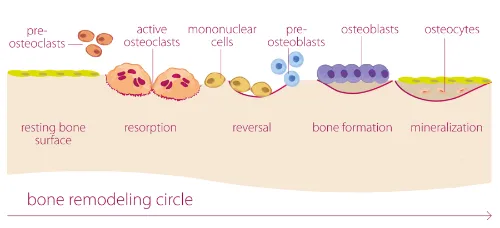
Bone bruising and stress fractures scare the daylights out of most runners. This occurs when the level of stress being placed through them is greater than the rate at which the bone cells adapt and strengthen. An area of bone weakness can occur and become microscopic cracks if training were to continue. This pain is exquisite and very focal. A stretch of 1-2cm of the tibia or shin would be extremely tender. This pain gets worse with activity and can even ache at rest and through the night.  

Whats’ really going on? As with the muscular issues, biomechanics and over training increase the risk of stress fractures. Ignoring the warning signs such as tender bone, aches at night can lead to a stress fracture. Running surfaces such as running on concrete, running on a camber, or running around a track can also over load the tibia. Unfortunately, up to 12 weeks rest from running, a strength and mobility program to target imbalances and a graduated return via the Nordic anti-g trainer will see a runner put in the hard yards to get back.

  • Nerve and vascular causes.

Irritated and compressed nerves and blood engorgement issues i the calf and lower leg can also cause shin pain. These should be excluded if the presentation is not typical for the more common muscular and bone causes. Further testing, investigations and scans are often warranted here, and your amazing physio would be able to advise you if they feel this is necessary after assessing you.   

With any of your running niggles, whether it be your back, pelvis, hip, knee or lower leg, insist your physio assesses you thoroughly. A holistic assessment of your posture, strength, running biomechanics and training plans will help you to get back to what you love and with reduced risk of re-injury.


Float tall throughout your posture

✅When it comes to everyday posture, try not to work too intensely in the level of activity of your postural, trunk and core muscles.
Postural muscles such as the deep abdominal corset, the diaphragm or the spinal muscles need to work all day for you, and they are therefore only needed at low levels of intensity. Think endurance, and not the sprint!

“Floating” up in your posture conjures a graceful and effortless energy.

✅Float up through your waists.

✅Float and imagine space in between each of your 12 ribs.

✅Float through the back of your neck to the base of your skull.

Don’t you love it?

Build postural strength to float effortlessly and without fatigue with our Pilates classes in our Sydney clinic, or at home online when you like, where you like, anytime.

#posturalawareness #posture #goodposture #pelvis #trunk #neckpain #backpain #sittingposture #standingposture #physiotherapy #thefixprogramonline #thefixprogramsydney


Fix News