
The Fix Program Blog

Running after pregnancy and birth : running fitness

There are many considerations before lacing up the shoes and heading out for your first runs. These include:

👉your birth outcomes

👉your leg and hip strength

👉your pelvic floor health, strength and endurance

👉your hormones ( are you still breastfeeding?)

👉your support of your pelvis and spine (integrity of your inner core strength)

👉your pre-natal and pregnancy exercise levels

👉your body and fitness type.

Moore et al (2021) published a study with tests as guidelines for strength required for running. Here are the tests for running specific tasks. You can try them at home if you think you’re near to these measures. Can you achieve these without pain, bladder leakage, pelvic floor heaviness or abdominal dragging?

✅can you walk for 30 minutes?

✅can you stand balanced on one leg for 10 seconds or more?

✅can you jog on the spot for 60 seconds or more?

✅can you bound or skip for 10 metres?

✅can you hop on the spot 10 times or more?

These tests are no means exhaustive. There are many other tests assessing strength, balance, running specific and pelvic floor muscles control.

Find a physiotherapist who can assess and help you return to any sport after have your baby. She will be the expert in safe and timely guidance back to what you love doing - no recipes, completely individualised just for you! The Fix Program’s Mums&Bubs classes and post natal physio are the perfect lead into your running return after pregnancy and birth!

#runningmums #returntorunning #postnatalexercise #postnatalrunning #postnatalpelvicfloor


What is a tendon?

👉 What is a tendon?

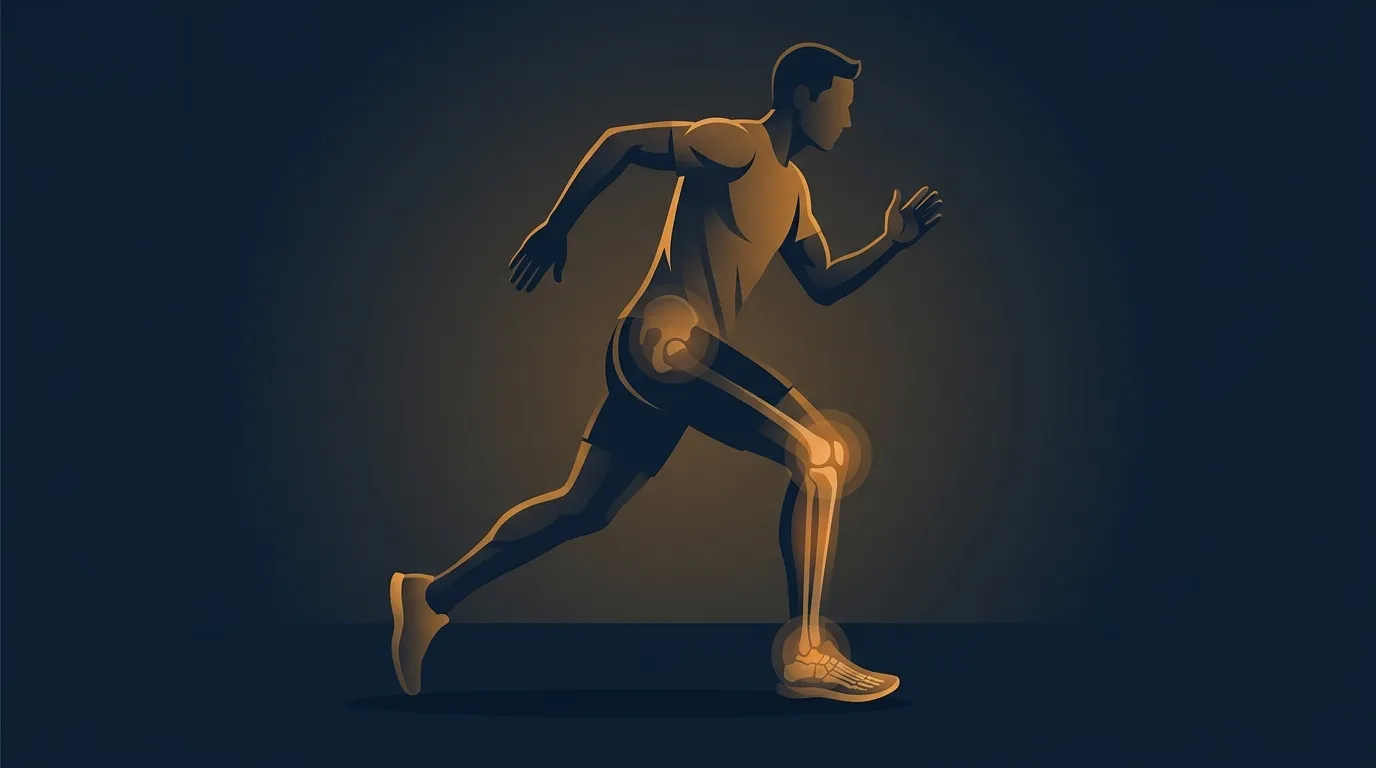
Tendons are rope like, extremely strong structures connecting your muscles to the bone. They are made of strong lines of collagen, all sitting in parallel, making the strength of these extremely tough. They are everywhere, like the rotator cuff tendons at the back of the shoulder, the biceps tendon at the shoulder joint, the patella tendon at the knee cap, the hamstring tendon to your sit bone or behind the knee or the Achilles tendon to your heel.

With the work they have to do, injury is common (yep, like me with my Achilles, running and being a little older - but that’s another whole post on menopause and tendon health). Too much load, too fast a build in a new activity, poor biomechanics, a weak muscle, hormones. All of these things can create a weakness, poor collagen regeneration or recovery and over time, tendonitis or tendinopathy in any tendon of the body.

👉 What’s the difference between tendonitis and tendinopathy?

Tendonitis is an inflammation of the tendon. Tendinopathy is the degeneration of the collagen making up the tendon (and will always have a component of tendonitis going on also in the background).

Both are treated similarly, with very slow and graduated strengthening and pain management strategies alongside such as ice, massage, biomechanics improvement and training changes to incoorporate more time for regenerating collagen. Physiotherapists are highly trained in the latest evidence based research in the managing of tendon injuries and rehabilitation. 

This is often an extremely slow road! Pace it! Don’t race it!

#tendoninjury #tendons #achillestendon #hamstringtendon #patellatendon #supraspinatustendon #tendonitis #tendinopathy #physiotherapy #physio #paceitdontraceit #thefixprogram #thefixprogramsydney #thefixprogramonline


Runner's knee pain and physiotherapy

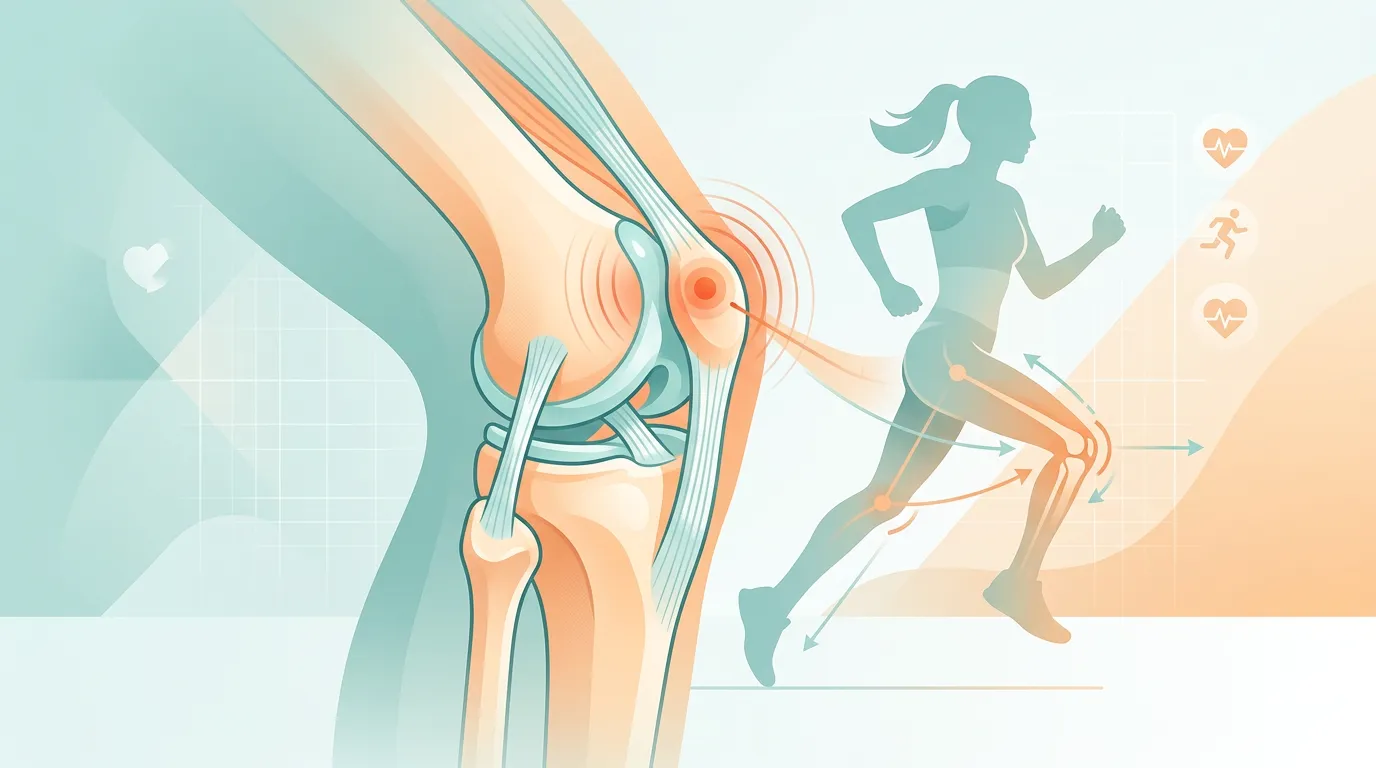
Knee pain affects 1 in 5 people in Australia, with the incidence increasing steadily with age. Osteoarthritis and overuse of the structures around the joint account for a huge slab of these.

But what about knee pain with running? Is it really true that running is bad for your knees?

OK, granted the load through your knees is greater with running than with walking, but how do other activities stack up? Here are the approximate forces that pass through the knee for each activity. This is according to 2 studies  - Lenhart et al. (2014) and Sanchis-Alfonso et al. (2016)

  • Walking on level ground - 0.5 x body weight
  • Cycling on level ground  - 1.5 x body weight
  • Stairs, both up or down - 3-4 x body weight
  • Running  - 4-8 x body weight
  • Squatting unloaded  - 7-8 x body weight
  • Jumping - 20 x body weight

I really believe that running gets a bad rap for the reason knees become sore, or why, for some, running is never given a good chance. Like any tissue in our body, our knees can adapt to the loads and stresses we put on them. How do we do this? With:

  • exercise and indiviualised programs to correct, control and restore pelvic, hip and lower leg imbalances and bio-mechanics
  • graduated programs of running, practicing the ‘pace it, don’t race it’ method
  • cross training and running specific strengthening, where loads are controlled but delivered to the knee to adapt and become more resilient to the loads we ask of them when jogging.  

There is no one perfect recipe for exercise when it comes to knees and running. We are all different and  the way we move is so varied. Thorough assessment, holistically looking at each moving part, running analysis and breakdown, training program adaptations are all crucial in getting knees happy to play their part with running. This, thrown in with a persistent and motivated runner-to-be, can become the runner without the dodgy knees.  

If you really desire to lace up the shoes and start jogging, get your knees to a good running physio!


Running after pregnancy and birth : pelvic floor muscle readiness

If you are a new Mum and are super keen to lace up the joggers and head for a jog, take the time to ask whether your body is truly ready. You may be 6 weeks after labour, your OB may have given you the green light, but what about your leg strength, your pelvic floor health and your fitness? Are you really ready to go running?

There are many considerations before lacing up the shoes and heading out for your first runs. These include:

👉 your birth outcomes

👉 your leg and hip strength

👉 your pelvic floor health, strength and endurance

👉 your hormones ( are you still breastfeeding?)

👉 your support of your pelvis and spine (integrity of your inner core strength)

👉 your pre-natal and pregnancy exercise types and levels

👉 your body type.

Moore et al (2021) published a study with tests as guidelines for strength required for running. Here are the tests for your pelvic floor recovery and strength after pregnancy and birth. You can try them at home if you think you’re near to these measures.

✅can you achieve 10 quick on/off ( or lift up/drop down) contractions?

✅can you hold 10 maximum pelvic floor contractions for 6 seconds, each all being equal?

✅can you hold a gentle contraction for a full minute, continuing your breath? ( 30% contraction effort)

These tests are no means exhaustive. There are many other tests assessing strength, balance, running specific and pelvic floor muscle control.

See our other recent posts for more running preparation advice for new Mums.

#runningmums #returntorunning #postnatalexercise #postnatalrunning #postnatalpelvicfloor


The collarbones and great shoulder posture

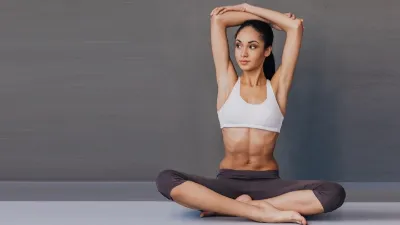
✅“Widen gently across the collar bones!” If you’ve heard this at your posture or Pilates classes, this anatomical picture may help you in visualising why you are being asked to do just that.

✅ Notice how the collarbones here stretching from your breastbone to your shoulder tip. By focusing on lengthening across her, you will help to place your shoulders and shoulder blades in a better alignment and posture.

✅ This cue also allows for you to gently build endurance to work against the effects of gravity and the slumped shoulder postures. This is done by the subtle yet ongoing work of your upper back and shoulder blade muscles.

✅ This means happy days for your trunk posture, your shoulders, your neck and upper back!

If you feel you are too stiff and tight across your chest or upper back to achieve this, see a physiotherapist. Pilates classes and posture-based exercise will help you achieve the endurance and strength required to maintain these postures right throughout your day.  

 #mindfulposture #thecollarbones #pilates #clinicalpilates #thefixprogram #thefixprogramonline #physiotherapy #physio


Running after pregnancy and birth : leg strength

Returning to running as a new Mum cannot be rushed.

There are many considerations before lacing up the shoes and heading out for your first runs. These include:

👉your birth outcomes

👉your leg and hip strength

👉your pelvic floor health, strength and endurance

👉your hormones (are you still breastfeeding?)

👉your support of your pelvis and spine (integrity of your inner core strength).

Moore et al (2021) published a study with tests as basic guidelines for leg strength as required for running. Here are the tests for hips and leg strength. You can try them at home if you think you’re near to these measures and to see if you are run ready as far as your strength goes:

✅can you achieve 20 single leg pelvic bridges?

✅can you achieve 20 single leg sit to stands?

✅can you achieve 20 single leg calf raises?

✅can you achieve 20 side lying leg lifts?

These tests are no means exhaustive. There are many other tests and considerations with your balance, running specific and pelvic floor muscle control. Moore et al (2021) also list these.

Check out our other posts abut the other aspects needed to start your jogging journey after pregnancy. And for further targeted and individualised advice and planning, our physios are here for you and your exact return to running.

#runningmums #returntorunning #postnatalexercise #postnatalrunning #postnatalpelvicfloor


Less is more for your posture

👉 When it comes to your posture, less is definitely more.

👉 Do remember that your postural muscles ( the ones deep in there that hold you up all day), are not the big powerhouse muscles of your body. They work at low levels, but for a very long time!

👉 Don’t over do your posture. Gently stack or float through your waists, spine and neck to your skull.

👉 Do feel assured that this gentle workload through your postural muscles is enough, and that mindfulness here will help alleviate the day’s aches and tension. After all, this tension is often the compensatory work of your big muscles stepping in to help with your posture if the deep ones are weak or tired.

 #mindfulposture #lessismore #poorposture #pilates #clinicalpilates #thefixprogram #thefixprogramonline #physiotherapy #physio


Posture cheats : Are you a 'back gripper'?

Holding our posture up all day can be quite a tiring feat. Our bodies are so terribly good at adapting for the needs we place on it. Often these adaptations are great strategies, but often, they are not. We ‘cheat’ and often begin to use muscles and strategies not quite ideal and often a cause of tension, poor alignment and pain. 

Every single one of us has our little ‘strategies’ to cope and respond with the loads and stresses we put on our body all day, no matter how small. You would be lying if you didn’t fall into some non-ideal postures and habits in your day. Young children are possibly the only ones who can boast good posture. This is at least before long days sitting at school and carrying big backpacks begin to change things.

Awareness is half the battle here when it comes to posture cheats. When you begin to recognise your daily postures more, it is easy to then make small changes to ‘unlearn’ or to find other ways to hold your posture all day. Back gripping is a very common one of these. Perhaps these below are you?

😮Do you stand and sit with an overly lifted chest, or ribs sprung forward?

😮Does your waistband always sit higher at your back and low at your front?

😮Are you pregnant or a new mother?

😮Do you feel back stiffness when trying to reach or bend forward through your trunk?

😮Do you force your shoulders ‘back and down’ when lifting weights at the gym?

😮Have you a background in gymnastics, dance or the military?

Constant back gripping can create high compressive forces in the joints of the back, and limit your general trunk flexibility. On top of this, an overly lengthened or stretched trunk at your front with these postures makes the abdominal weak and unable to support you efficiently.

Does this posture sound like you? Here are some simple awareness tips for small changes.

✅ Try to think of your posture ‘from behind’, gently imagining a taller spine at the back of your trunk. This will emphasise tallness without over arching the trunk and gripping from your back.

✅ Can you also ‘soften’ your posture, gently ‘zipping up’ the ribs at your front so they do not spring forward so much?

✅ Visit your physio for more great tips and manual therapy if your back muscles are always stiff and tight.

Did you know that there are other cheats and non-ideal posture strategies? These include butt gripping and chest gripping. Intrigued? Check out our other posts and make the change to your posture!

#posture #posturalawareness #backgripping #dianeleephysio #neckpain #backpain #pregnancypain #pregnancybackpain #postnatalpain #postnatalbackpain #physiotherapy #thefixprogram #thefixprogramonline #thefixprogramsydney


The pelvis and the lower back

✅ “Find your neutral pelvic foundation.” Why do we ask you in posture and Pilates classes to do this before and throughout every single exercise?

The lumbar spine or lower back sits above your pelvis. It comprises of 5 large vertebra, and as you can see, not much else! It is very mobile when compared to the stiffness of the upper back and ribs above. It needs much support of the muscles that support it and a strong well aligned base. The pelvis should form a strong foundation for the lower back to stack on.

✅ The beginnings of good support for the lumbar spine start with learning to find your ‘neutral’ pelvic foundation when standing, sitting and strengthening. This will in turn awaken your deep abdominal corset and other supporting muscles in the region.

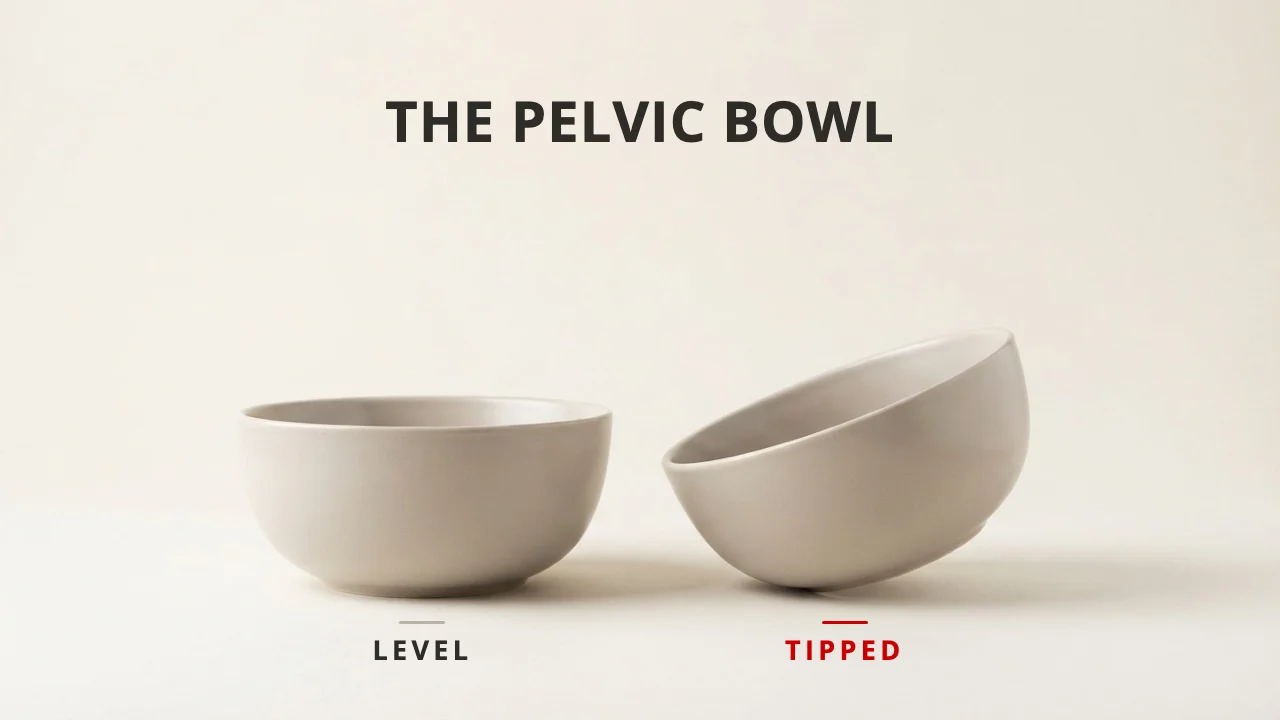
✅ Imagine your pelvis as a bowl of water. Your ‘neutral’ pelvic foundation for the spine above would have your bowl sitting level, without spilling, or twisting.

✅ A healthy relationship between the alignment of your pelvic bowl and your lower back will prevent pain and injury, make you feel in better control of your posture and improve the efficiency in the way that you move and exercise! Win!

How is your bowl sitting at the moment?

Pilates-based exercise and postural strengthening are the best ways to build not only awareness, but also strength and endurance in the muscles used to keep your pelvic bowl ‘neutral’. A healthy pelvic foundation will prevent back and neck pain further up the chain.


Graduated exposure

This notion of graduated exposure can be applied to many a scenario, but I am talking about it with reference to exercise and activity levels. Pacing slowly, with small increments of change, will usually prevent failure. From the beginnings of exercise, to the highly tuned athlete, training programs will always follow the paradigm of graduated exposure to allow the body to adapt and to prevent injury. 

What is the opposite of graduated exposure?  Being a “boom and buster.” Intrigued? Could this be you when it comes to exercise or activity levels?

Here is the scenario. You set out on a new activity - say, jogging. Perhaps you’ve been injured, or unfit and want a new challenge. Sydney’s City to Surf or another of your favourite fun runs has come around again and you are keen to get involved. It’s hard at first to get training, but you get a hang of it after a few weeks. Perhaps you start like a bull at a gate. You jump up considerably in your running volumes because you’re feeling so damn good - but, uh oh. You’ve boomëd ( hooray!)…but also busted (uh oh). You find yourself back at the “I’m unable to exercise because I’m now injured/too tired and fatigued/in pain” stage.

And so the ‘boom or bust’ cycle begins.

The solution?

✅ Slow and steady. Pace up sensibly with no huge jumps. Your fitness and the way your tissues ( muscles, tendons) adapt will do so without the crash and burn! Just like our little man above in the image. Small steps will lead you to your goal, and often that goal surprises you.

✅ You will need more time than you think to reach this. If you have a end date as the goal, start your training program at least 12 weeks before the run and not the month before.

✅ If you have no end date, enjoy the small steps to reach your goal! And if these are no steps up for a week or so, it is not the end of the world. Start where you left off and keep on building!

Easy! Find yourself a good physio or exercise physiologist (EP) to set the baselines and progressions in your exercise build.

#boomandbust #exercise #paceit #safeexercise


Fix News