The Fix Program Blog

7 Nov 2013 BY melanie POSTED IN Exercise

Do you sleep better after your exercise class?

Are you one of those people who are insanely jealous of the deep sleepers that don’t even hear a thunder storm during the night? Or waking at 4.15am every morning? Or maybe you just have a little one relying on you for a cuddle or feed during the night? You are not alone! And your lack of sleep can significantly affect your health and well being.

The Sleep Health Foundation has found that more than 1.5 million Australian adults suffer from sleep disorders. If you are one of these you will know that a lack of sleep can have a major impact on your mood, concentration, memory and quality of life!

Here are some ways you can try and get a good night’s sleep:

Exercise. Disciplines like Pilates that get your body moving, strengthens your muscles and increases your endorphins the happy hormones. Exercise can also help reduce your stress.

Stretching and relaxation. Having a wind down routine prior to bedtime can help get you relaxed for sleep. This may include focusing on your breathing or setting aside time for meditation.

Write down what is on your mind before you start your wind down routine so you can forget about that email you forgot to send or the phone call you need to return.

Switch off your electronics 1 hour before bed time. These days it’s so easy to get caught up in work and social media at all hours of the day. Unfortunately this stimulates our mind and the light exposure reduces the levels of melatonin in your body which is the major hormone that controls your sleep and awake time. This can create a level of sleeplessness during the night.

Avoid heavy meals too close to bed time. Try to have your meal a few hours before bedtime.

Decrease the clutter in your bedroom and keep it clean and dark.

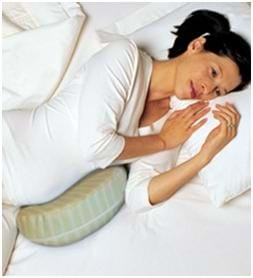
If you are having pain through the night especially in your neck or back, check the height of your pillow and try to keep your spine straight when sleeping. If this is significantly worrying you please go and see your Physiotherapist.

While you sleep your body goes through a cleansing process like a detox, rejuvenating your brain cells. This is especially important if you are in pain or going through prolonged stress. If you want to read more have a look at this article:

http://blog.naturaltherapyforall.com/2013/10/21/brain-undergoes-cleaning-process-whilst-asleep-study-finds/

Sleep Well.


31 Oct 2013 BY Tabitha POSTED IN Pilates , Pregnancy

Can Pilates help with my pelvic girdle pain in pregnancy?

During pregnancy, levels of the hormone relaxin drastically increase to help your soft tissues stretch, allowing plenty of room for your growing bub. However it can also have its downside – the joints in your pelvis can become excessively flexible, sometimes causing pain with movement. This pain is called Pelvic Girdle Pain (PGP), and 45% of all women will suffer from it with 25% continuing to experience it postpartum.

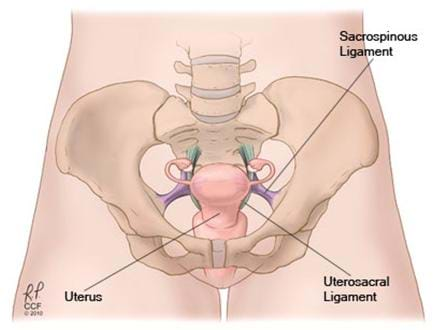
To understand what is going wrong and how we can help, let’s take a closer look at the pelvis. It has three joints that are affected by PGP.

The pubic symphysis.

This joint sits at the front of your pelvis, down low where the pubic bones are joined together with cartilage and ligaments. This joint transfers the load of the trunk from your tailbone to your hips and acts as a shock absorber while you’re walking.

The sacroiliac joints (SIJs)

Of which you have 2. They sit at the back of your pelvis, connecting your tailbone (sacrum) to the large curved pelvic bones (the iliums) with ligaments. These convert rotational forces generated by your lower limbs through your spine, stabilising you and also helping to absorb shocks.

Pelvis diagram

During pregnancy, relaxin allows the ligaments of the pubic symphysis to stretch, letting the pelvic bones widen apart – a very important adaptation your body makes in preparation for delivery. However, this can cause pain on movements whenever your legs are wide apart such as when getting in and out of a car.

Relaxin also makes the SIJs more hypermobile, which can lead to a dull, aching pain near your tailbone (near the dimples) on one side or both. This may be particularly acute whenever your hips rotate and bear weight at the same time, such as when standing up from sitting, climbing stairs, or expended periods of walking. The pain may also feel like it is in your lower back, buttock, hip and thigh even though the SIJs are the real problem – we call this referred pain when it appears far from the true cause.

PGP is likely to worsen as the pregnancy progresses, but more than 70% of women whose symptoms started with their pregnancy are pain free by 2 months post delivery without the need of physiotherapy treatment. In the meantime, gentle core stability exercises such as those found in Pilates can help to stabilise your pelvic joints by increasing your postural muscle support – all helping to keep your bones in the right places! Exercises that gently engage the pelvic floor and deep abdominal muscles (as you have experienced in your Fix Program pregnancy classes) are particularly effective.

In the unfortunate (though fortunately rare) cases of severe PGP, hands-on physiotherapy treatment can offer relief and help correct the joints’ positions. One of our Fix physios can also test to see if using a pelvic stability belt might ease your pain. These are designed to offer compression during painful movements to the lax pelvic joints. We are also great at giving advice on movements to avoid, practice of movements to adopt and exercises to limit your painful movements.

So please don’t hesitate to let us know if you need further help with your PGP – there is a lot that physiotherapy can do to help you, like compression wear as seen below until you, your body and your bub are all settled.

pregnant women getting fitted with belt


31 Oct 2013 BY Tabitha POSTED IN Pilates

Explain the Pilates cue – the mango

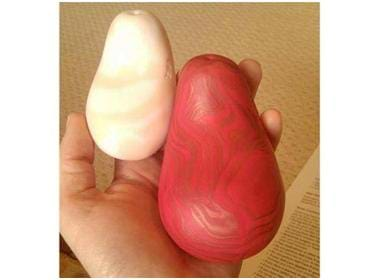
Holding the ripe mango under your chin 

In your Pilates classes at The Fix Program, you will have heard us reminding you to keep a big juicy ripe mango gently tucked in between your chin and chest. This is another of the many visual cues we use to help you correct your neck and upper back posture, engaging the deep postural muscles that support an ideal alignment.

Why I do I need to think about a mango under my chin?

When you’re sitting or standing for long periods, you might find your neck falling forward, your chin creeping out in front, your shoulders rounding forward, or even all three at once. Desk work and watching TV are when I notice this the most, when it sometimes even feels natural to relax my entire upper body and let it hang loose.

The truth, however, is that this slumping greatly increases the curve (technically the lordosis) of the cervical spine as the upper vertebrae slide forward over the ones below. The spaces between the vertebrae become more narrowed, leaving less room for your nerves to enter and leave the spinal column – this can exacerbate or even cause pain in the neck, head and even arms.

Also, forcing the outer muscles of your neck and shoulder to hold your head so far out increases their tightness and fatigue, causes pain and heachaches that are cervicogenic (which means ‘from the neck’). At the same time, your chest muscles become tight and shorten, your shoulder joints held forward and stiff, and the more you do it the harder it is not to!

So, how do I ‘hold my mango’?

To counteract this, we ask you to imagine that you’re very gently holding a big juicy mango between your chin and chest. Your head will gently be drawn back in line over your body, the back of your neck growing long and tall, and your chin slightly tucking down to gently hold your big mango to your chest. This restores the lordosis of your neck and upper back to its ideal state, optimally spacing out your vertebrae. It also relieves a lot of the weight of the head on your neck muscles – sitting atop your spine allows gravity to take over, relieving that familiar neck stiffness.

But most importantly this postural cue helps us to gently switch on the tiny, deep muscles near your spine in the neck called the deep neck flexors which, when activated properly, should work gently to support your neck in a tall, lengthened, ideal posture as you go about your day and practice your Pilates exercises.

Try to hold your mango very gently, so as not to squish its softness! This will keep your deep neck flexors doing the work and growing stronger, and help to avoid overuse and fatigue of the outer neck muscles.

So always remember your big juicy mango wherever you are, from sitting at work, on the sofa, carrying your shopping or your toddler. This will help you to stay properly aligned and supported to avoid postural neck pain and headaches.


Fix News