
The Fix Program Blog

2 Sept 2016 BY Katrina Tarrant POSTED IN Exercise, Pilates, Pregnancy

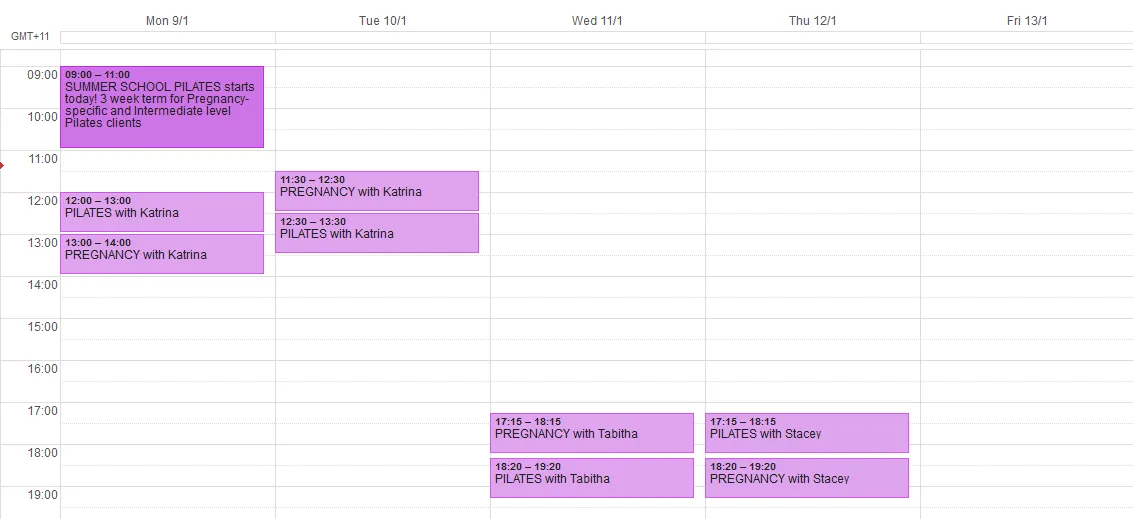
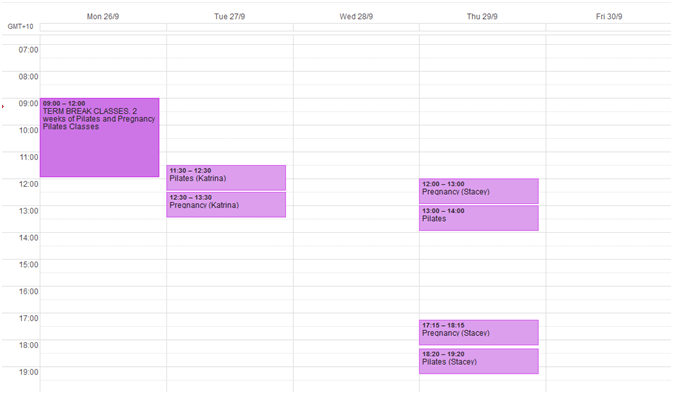
Draft October 2016 ‘term break’ timetable

Draft term break timetable is subject to change. This timetable is for our existing Pilates clients who do not wish to break between our Term 3 and Term 4 10 week programs. These term break classes run for 2 WEEKS ONLY and will run straight to our Term 4 commencement date of Monday 10th October.

Classes are recommended and scheduled for:


3 Aug 2016 BY Heba Shaheed POSTED IN Pregnancy, Women's Health

Pelvic floor muscle injury in labour

Recovering after 3rd and 4th Degree Tears

Baby on chest

Unfortunately, during birth, women can experience perineal tearing. The perineum is the area between the vaginal opening and the back passage. A woman can suffer from varying degrees of tearing, with some short term, but also long term effects on pelvic floor function. This can include bowel and bladder issues or ongoing pain. The worse of these tears are called 3rd & 4th degree perineal tears are also known as Obstetric Anal Sphincter Injuries (OASIS), because the perineal tear extends into the anus.

Tear pic

The varying tears are grouped according to the extent or length of the tear:

  • First degree tears — small skin deep tears which heal naturally
  • Second degree tears — deeper tears affecting the muscles of the perineum. These are usually repaired with stitches.
  • Third degree tears — deeper tears that involve the anal sphincter muscles.
  • Fourth degree tears — tears extending further up the anus into the rectum

Some long terms effects of perineal tears and OASIS can include:

  • bowel urgency
  • difficulty controlling wind
  • difficulty controlling bowel matter
  • painful sex

What can I do if I have suffered from a perineal tear?

After 6 weeks, and once the perineal area has healed you can begin to do some exercises to strengthen the area and reduce or prevent anal incontinence. You will usually have a pelvic floor or women’s health physio helping and guiding you along the way, and they will teach you the following exercise types. Mind the anus chat to come!

Pelvic Floor Exercises with an Anal Cue

These anal sphincter muscles need to be retrained as part of your pelvic floor, because the perineal injury can cause them to become lazy or switch off. It is easy to focus on this part of the pelvic floor sling. Lying on your back with a neutral pelvis

  • Breathe in to relax your pelvic floor down.

  • Breathe out as you squeeze and lift your pelvic floor muscles focussing on the anus being pulled up towards your lower back.

  • Breathe in to relax the pelvic floor muscles back down.

  • Repeat 10 times.

  • Repeat another set in active neutral sitting.

  • Repeat another set in active neutral standing.

Cue

Pelvic Floor Elevator with an Anal Cue

You need to be able to control these muscles at different points so that you are able to control your wind and bowel movements and prevent accidental leaks or accidents. Visualise your anal canal (from your anus to your rectum to the centre of the dimples in your lower back) as 3-storey building with an elevator in it.

  • Tighten your anus and pull it up a third of the way — bring the elevator from Ground Floor to Level 1.

  • Tighten your anus further and pull it up two thirds of the way — bring the elevator to Level 2.

  • Tighten your anus as much as you can and pull it up all the way — bring the elevator to the Roof.

  • Slowly release the elevator down to Level 2, then Level 1 and back down to Ground Floor.

  • Repeat 3 times.

Anus Quick Flicks

You need your anal sphincter muscles to get stronger in their fast-twitch fibres and especially down at the exit, to help you overcome or manage bowel urgency. Visualise the anus at the exit of your bottom as a circular muscle. Imagine trying to pull up a pea through the anus just 3 mm and back out again.

  • Do 10 quick flicks as fast as you can in a pulsing manner as you tighten the circular anus closed and release again.

I need more help…

If you have suffered from a perineal tear after birth, it is important to see a trained women’s health physiotherapist as she can help prescribe even more specific exercises, as well as help you to heal from the injury faster.

Women’s health physiotherapists at The Fix Program physios will help you recover from any birth issues, and perineal tears often require gentle scar tissue massage to release the tissues and muscles that can tighten up after tears. If you are experiencing any bowel issues, your women’s health physiotherapist will help you overcome these issues.

Research shows physiotherapy for just 2 months can significantly improve anal sphincter control and strength to minimize or prevent any wind or fecal incontinence. Your physiotherapist will also discuss important bowel habits advice with you and prescribe you individualized exercises.


The importance of the diaphragm.

Why how you breathe matters!

Anyone who has spent enough time learning about exercise and mindfulness or meditation, comes across a rather strange idea – that there is more than one way to breathe. Most of the time we don’t think about breathing, our body breathes on its own without us having to tell it how! But knowing the full story behind “diaphragm breathing” will help you get deeper and more relaxed breathing, and will help you support your body in a safe, protective posture. 

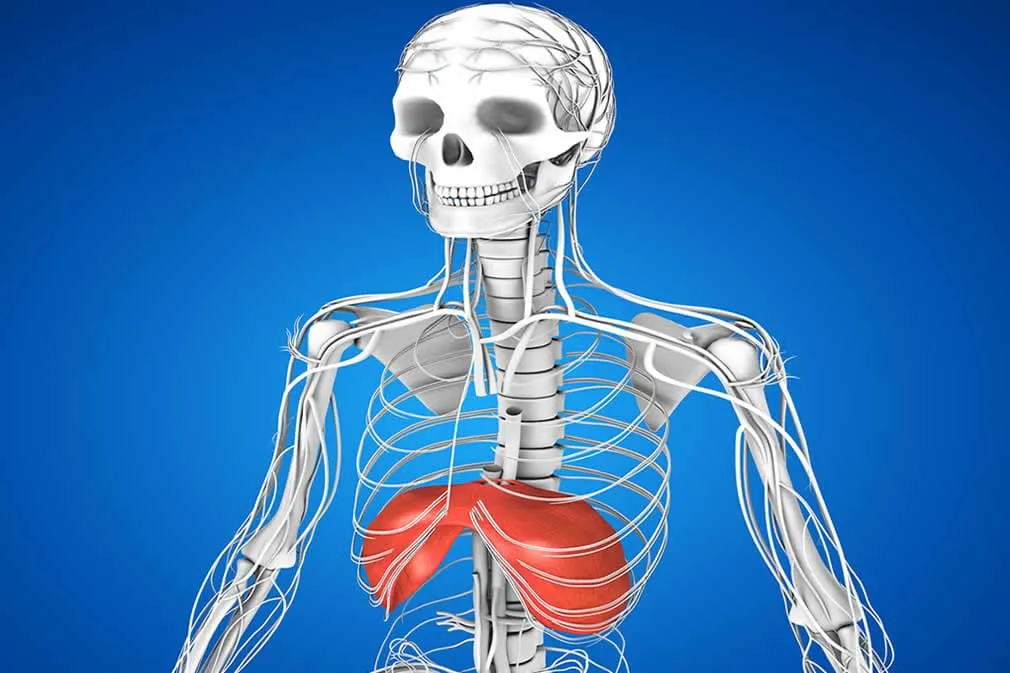
What does the diaphragm actually look like inside my rib cage?

The diaphragm is a dome-shaped sheet of muscle which joins into the lowest few ribs, internally dividing the chest cavity from the abdominal cavity below. When it contracts it pulls itself down towards the bottom of the ribcage, causing the lungs to expand and fill with air. So, while you feel your chest go in and out while you breathe normally, this is not the primary way your lungs fill up – the internal motion of your diaphragm is actually doing most of the work.


Did you know that the diaphragm actually supports your posture too?

Your diaphragm works as the top of the deep system of core muscles surrounding your abdomen, with the pelvic floor at the bottom, the multifidus muscle at the back near your spine, and the transversus abdominus, or deep abdominal layer on the sides. This set of muscles forms a cylinder deep inside your midsection (your “deep corset”), working to support and stabilise the area and protect against injury.

An easy way to breathe better using your diaphragm

While the diaphragm is essential for all breathing, other muscles can get involved and get our bodies into bad habits. These can include the neck muscles creating increased neck tension, shoulder and chest muscles, closing the chest posture or the belly muscles. What we are going to focus on is making sure that the diaphragm is doing the right amount of work in the right way. 

  • Place your hands on your lower ribs and take in some deep breaths, just to feel how they move when you breathe normally.
  • Then try and keep taking those deep breaths, only now try and keep your ribs from moving back-to-front, letting them mostly just move side-to-side, feeling how they return close to the centre again when you exhale.
  • As you continue, see if you can minimise any changes to your back arch. When breathing with the diaphragm, no increase in your arch should be necessary. Just widening of the ribs into the side-seams of your shirt.
  • Check that the neck is be able to stay soft and relaxed as well, reducing any unnecessary effort in the process of deep breathing. 

How often do you think you breathe like this throughout your busy life? Bringing this peaceful kind of breathing into your waking life is going to help keep your body stable and happier. 

How does my breathing coordinate with the other core muscles?

  Your pelvic floor should mirror the movement of your diaphragm. It is great to try to remember that 

  • when you inhale and the diaphragm lowers, your pelvic floor should relax and drop, and
  • as you exhale and the diaphragm lifts, the pelvic floor muscles should also tighten and lift:

This can take a bit of practice, but it is the best way to make sure that “deep corset” of yours is working as effectively as it can. Try taking five deep breaths in a row, practising your coordination of diaphragm breath with the deep pelvic floor contraction and relaxation.

Now try also gently drawing in the lower abdomen with the exhales as well, making the sides of your deep corset or cylinder work together with the top and bottom. Try this fully coordinated breathing pattern five breaths in a row. 

Why should I do this? 

If you can successfully master the above exercise, you will have just activated all of your core muscles in a safe and supportive way that gently promotes good posture and injury prevention. This form of deep, wide, relaxed breath ensures your abdominal stabilisers wake up, which can in turn help with back and neck problems, improve your core strength, and help with pelvic floor function. It is also the way we breathe when we are most relaxed, and helps with our mental well-being. 

Join an online class from the comfort of your home - Katrina the principle physio at The Fix Program has designed a series of pregnancy exercise programs that will help you immensely.   

So whether it’s to help your sore back, before or during exercise, or just before someone passes you the microphone at karaoke, try breathing with your diaphragm and see how it serves your body and mind in a multitude of ways!


22 Jul 2016 BY Katrina Tarrant POSTED IN Pregnancy, Women's Health

Yes. physios can treat pelvic floor troubles too!

From pregnancy incontinence to pelvic pain to post natal weakness and prolapse.

pregnancy incontinence

As physios who treat women’s only pelvic floor problems, we are always overwhelmed by the lack of awareness out there amongst our female friends that this type of physio even exists! Also overwhelming is the lack of proper education and information out there about incontinence, sexual pain and prolapse which can actually be treated well by women’s health physios.

Ban those TENA incontinence pad ads!! Don’t put up with a leaky bladder, pelvic pain or sexual pain. Bladder and bowel control and wellness in women is our philosophy.

At The Fix Program, we have physiotherapists who are expert clinicians in the management of conditions unique to women. They have clinical expertise and excellent diagnostic and therapeutic skills. We specialise in the management of pelvic floor problems. We can help you if you have:

  • Urinary incontinence or poor bladder control in pregnancy and beyond
  • Bowel incontinence and constipation
  • Over active bladder and urge incontinence (going to the loo more than 8 times per day, with ‘eye watering’ urgency sometimes associated with bladder leaks)
  • Pregnancy and post-natal care (pregnancy incontinence, post natal pelvic floor weakness, pain, scar management after tearing, prolapse and sexual pain)
  • Vaginal prolapse (also known as pelvic organ prolapse, where the bladder, uterus or bowel drop low into the pelvis)
  • Painful sex or ‘vaginismus’
  • Pelvic and lower back pain

We understand every woman’s pelvic floor physiotherapy needs are different.

OK, all assessments and most treatments will involve an internal vaginal examination. But as a woman, we hope this is tolerated just as we do with our PAP smears every few years. This, along with extensive questioning about your pelvic floor function and habits allow for the best diagnosis and then treatment. The internal examination will also allow for the physiotherapist to properly assess any weakness, spasm or change to your pelvic floor muscles and to assess for any degree of prolapsed (or descent) of your pelvic organs. All of this cannot be achieved externally.

Read more about pelvic floor disorders at our website.

Contact us to chat about any pelvic floor issues you may be experiencing, or to book an appointment at Broadway (within the Fernwood Fitness womens’ gym) or Sydney CBD.

You do not need a referral from a doctor to see us. HICAPS rebates available on all physiotherapy treatments, but check your individual private fund provider for eligibility.


9 Jul 2016 BY Katrina Tarrant POSTED IN Physiotherapy

Knee Pain: the piggy in the middle

Knee pain troubles are rarely just about the knee. The hip and the foot are to blame!

Knee pain is such a common complaint- I would think that almost all of us have sometime suffered from pain in the knee- with running, walking, stairs, kneeling, the gym, or with all of the above!

In my time as a physio (over 20 years, mind you), I have seen the poor knee being almost like the piggy in the middle. The knee often suffers much pain and irritation from its location – by existing between problems of the hip region above and the foot region below.

The bully from above.

Weakness, instability and poor postures above at the hip and pelvis can alter how our weight and movement happens through the knee. These can include:

  • Buttock muscle or ‘glute’ weaknesses.
  • Tightness of the outer hip and hamstrings pulling down into the back of the knee.
  • Twisting or not keeping the lower back and pelvis controlled with exercise, which then throws the thigh bone into poor alignments and stresses the knee down below.
  • Weakness and a lack of balance of the thigh or ‘quads’ muscles which can cause a pulling of the kneecap from its preferred centre position on the front of your knee.

The bully from below.

The foot is the first to hit the ground when we walk or run and will send the forces from the ground up towards the knee. This can often not be too optimal. Problems here can include:

  •  Feet arches that are too flat and rolling inward or too high and stiff.
  • Tightness of the calf muscles and Achilles from all that high heel wearing!
  • Movements of the foot which are compensated due to pain such as in the heel or in the big toe joint.
  • Poor fitting shoes squashing up the foot, or old shoes that are not longer absorbing shock well.

The poor piggy in the middle.

As you can see and possibly feel yourself, the knee tries its best to cope with the bullies either side! It is pretty amazing and resilient at putting with some of this bullying, but over time, the knee decides it has had enough.

So, like most injuries of the body that are slow and happening gradually over time, it is the joint copping all the stresses that ends up giving up – pain, swelling, altered movement and generally an unhappy joint.    

Does this sound like you?

Your Fernwood and Fix Program physiotherapists are here to assess you from waist to toe, diagnosing the probable causes to knee pain. Knee pain responds extremely well to physiotherapy with fantastic outcomes when it comes to returning to exercise and a pain free knee.

Every knee is different, just as every body is different. With this in mind, careful assessment and targeted treatment , combined with an exercise program to correct the imbalances will get you back on track.

Contact us for an appointment and we can fix your knee pain.


18 Jun 2016 BY Katrina Tarrant POSTED IN Pilates, Sydney CBD

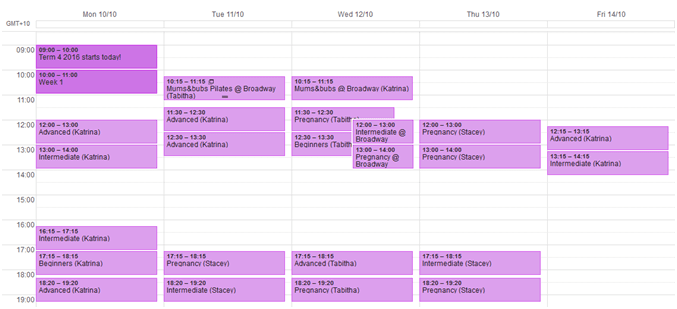
Draft Term 3 2016 Pilates timetable

Draft term break timetable is subject to change. This timetable is for our Term 3 programs and will run for 10 weeks. First class will start Monday 18th July and our final classes will fall on Friday 23rd September, 2016.

Classes are recommended and scheduled for


17 Jun 2016 BY Katrina Tarrant POSTED IN Exercise, Pilates, Sydney CBD

Draft Term Break timetable July 2016

Draft term break timetable is subject to change. This timetable will run for 2 weeks only in weeks commencing 4th and 11th July, 2016.

Classes are recommended and scheduled for


9 Jun 2016 BY Tabitha POSTED IN Pregnancy

deQuervain’s Syndrome in new mums

A fancy name for really sore wrists

A new mother’s life is full of changes to mind, body, and routine. One thing that is almost always a shock to the system is the amount of lifting and carrying new mothers suddenly need to do, moving baby from cot to pram to changing table and back again. In some cases a repetitive strain injury called tenosynovitis (or tendonitis) can develop – it is caused by chronic overuse and thickening of the tendons that run down your thumbs. This thickening of both tendon and sheath means painful movement as secondary inflammation sets in. This painful condition is called deQuervain’s Syndrome, though you might have heard of it as ‘Mother’s Wrist’, ‘Mummy Thumb’, or even ‘Washer Woman’s Syndrome!’

What does deQuervain’s feel like?

Those affected will feel pain in the thumb, the side of the wrist and hand, even down into the forearm. There is often also swelling on the thumb side of the wrist, sharp and/or chronic pain when moving the wrist and thumb, and weakness in grip strength in one or both affected hands. Continuing to try and push through the pain, repeating the same movements without treatment, will only make things worse.

Mothers with this pain and inflammation will usually find difficulty with:

  • Twisting of the wrist, like when screwing in a screw or opening a bottle top
  • Holding the thumb away from the palm and fingers, like during typing, playing the piano, even sports like bowling and golf
  • Moving your hands about your wrists, like in sewing or knitting
  • Lifting while gripping, like when pouring from a jug or picking up your baby!

Why have I developed these sore wrists?

Incidence of deQuervain’s syndrome is higher among women in their child bearing and rearing years, especially in pregnancy and in the early postnatal period. It is thought that several factors contribute to this, from repeated lifting of the infant using the thumbs as leverage and tilting the wrists towards the thumb side, to hormonal changes and increased fluid retention.

This movement of the wrist lifting is the cause of the injury and looks much like the way any new mum would pick up her baby repeatedly.

How can a physio help with deQuervain’s?

A physio can assist with managing the inflammation and offering braces and supports for the wrist during the painful time. Afterall, you still need to use your hands and forearms as you continue to care for your bub. Diagnosis of this pain is very simple and can be confirmed with simple feeling of the painful tendons and the Finkelstein test pictured below. You could almost assess yourself to see if you could be suffering from early signs of deQuervain’s by following this simple movement.

If you think your might have deQuervain’s Syndrome, it is very important that you do not ignore it.

Book in with one of our experienced Physiotherapists as soon as you can! We can offer a mix of the following treatments to allow the tendons to begin their healing and to therefore become less painful and inflamed. We can:

  • provide hands-on treatment, and provide you with gentle, targeted exercises that can relieve the pain.
  • most importantly, teach you how to perform your everyday tasks in a less stressful manner, so the strain isn’t repeated over and over, exacerbating the symptoms.
  • prescribe wrist splints for resting the wrist or for allowing movement in a less stressful way to the tendons for your daily activities of looking after your baby.
  • suggest anti-inflammatories to help you manage secondary inflammation and the associated pain, or cold packs applied to the area for 20 minutes a few times per day.

DeQuervain’s Syndrome is something that should be treated right away, and it can be identified quickly and treated relatively hassle-free. So let us know if your thumbs and wrists start to feel different, so we can get you back on track to helping your bub in an easy, pain-free way.


29 May 2016 BY Katrina Tarrant POSTED IN Exercise, Physiotherapy

Switching on your ‘core’ at the gym

It’s not just about ab exercises

As a physio treating a lot of hip, pelvis and back problems, I am always asked about core strength. Most will ask about it with reference to their gym or exercise programs, what is it, how to make it better and specific exercises to challenge it.

I always start with a picture not too dissimilar to this below. We all know that visualisation is an amazing learning tool. Picturing a concept or an idea can allow the brain to learn better. Seeing the deep muscles of the lower trunk and pelvis can help you to understand and even activate them better within your gym routines or even in everyday life.

At the gym.

If you use your imagination a little, the diaphragm, transverses abdominus (the deep ab layer), pelvic floor and multifidis would cover the surfaced of a cylinder - the ‘cylinder or piston of support.’ This muscular cylinder is only the beginning of wonderful postural support for your pelvis, spine and body. They can not only prevent back injury and pain, but also hip pain, knee pain and upper spine issues with posture. And even better, they make your movement more efficient. You will feel stronger.

The subtlety of this cylinder’s effect sometimes takes a lot of practice, and your physio can show you how. But here are some basic tips to get started.

  • Breathe! The diaphragm is the first step in getting your core to switch on. Try to avoid holding your breath with effort and instead, focus on breathing ‘deep and wide’. You should feel a wonderful movement into the base of your ribs with this type of breath and try to aim for soft relaxed shoulders.
  • Pelvic posture awareness! Think of your pelvis as the foundation for your spine. Know also, that if the pelvis is held well, your deep ab layer and your pelvic floor will be working to hold the pelvis there. Brilliant! To help with this, visualize your pelvis is like a deep bowl of water. Try to always keep it level so that it doesn’t spill. Try this as you stand, sit, squat, lunge or at spin class.
  • Become aware of muscles activating. Again, there are quite a few ways to visualise these deep muscles switching on. Could you imagine your activating pelvic floor muscles to be an ‘elevator with doors closing and travelling up to level 1’? Or could you imagine that your deep abdominals activating feel ‘below your navel and between your pelvic hip bones’?

Through your day

Getting to know your core muscle system at the gym can greatly assist you with your everyday postures. Standing to wait for the bus, sitting at your desk, bending over or helping to lift a patient if a nurse. These are all times we may feel back or neck pain, but with a new awareness of your magical deep postural muscles, you may just beat that painful attack.

**Want more help?
**

These tips are just the start.

Contact us. For more assistance in helping you ‘find your core’ for your gym workout, to beat your back and neck pain, to prevent injury and to feel greater movement efficiency, our physios can assess and teach you more about yours.

For Fernwood appointments, call on 8005 2379, or email broadway@fixprogram.com

For York Street appointments, call on 9264 0077, or email sydneycbd@fixprogram.com


19 May 2016 BY Katrina Tarrant POSTED IN Pregnancy, Women's Health

The Fix Program Broadway. Here we come!

We are thrilled to announce a new clinic opening…just for women

The Fix Program Pilates

On June 1st 2016, we will be opening a brand new clinic at Broadway Shopping Centre. We will be located within the beautiful Fernwood Fitness Women’s Gym.

Our passion for the wellness of women will shine on at this new clinic, bringing you all The Fix Program expertise and care that you have been used to at York Street. We will be there with:

  • our physiotherapy services for you. Whether it’s your postural pain or sport-related niggle, with our expert physio’s treating you, we’ve got you covered.
  • our specialised women’s health physiotherapists, managing pelvic floor and physical problems unique to women. Incontinence, pelvic pain, pregnancy related issues, prolapse, and pessary prescription are our forte.
  • our pregnancy physiotherapy services for the best for you and your baby. Helping you through pregnancy with safe and appropriate pregnancy Pilates classes and physiotherapy for pregnancy related pelvic girdle pain, back pain and other aches at this special time.
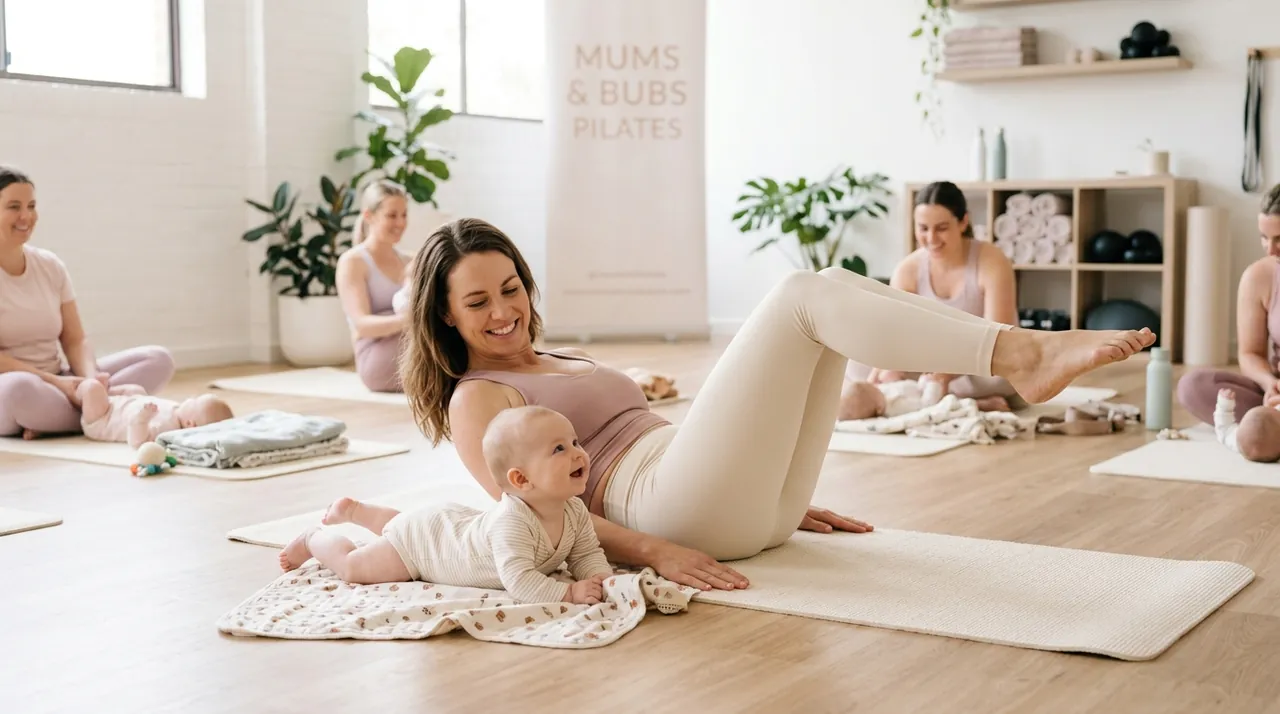
  • our post natal physiotherapy services with Mums&Bubs Pilates classes, post natal pelvic floor and abdominal separation checks and advice before safely returning to your pre-baby exercise routines.

And this is just the start.

Where are we?

Shop LG03 Broadway Shopping Centre, Corner Francis & Bay Street, Broadway. p: 8005 2379, and the best part…there is 2 hours FREE parking within the shopping centre!

What do I do next if I wish to make an appointment?

Contact us. You don’t need a doctor’s referral to see our physiotherapists. We’ll be happy to chat about your needs.


Fix News