The Fix Program Blog

14 Dec 2016 BY Katrina Tarrant POSTED IN Pilates, Sydney CBD

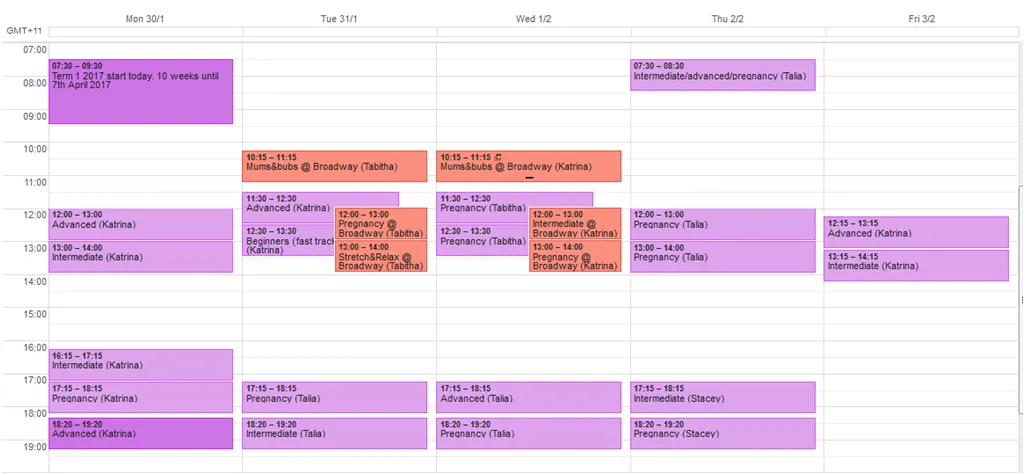
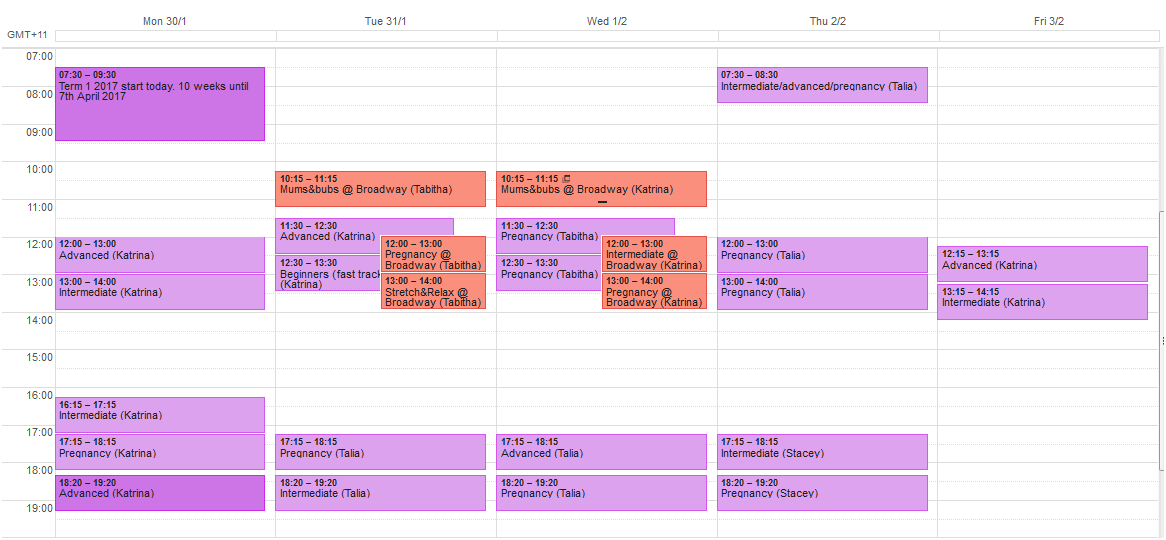
Draft Term 1 2017 Pilates timetable

Pilates at our CBD and Broadway Clinics

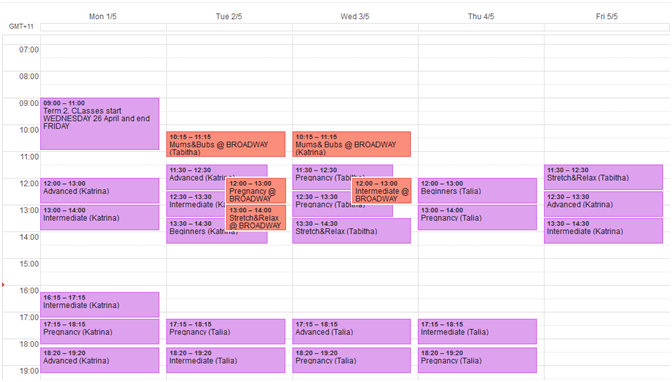
Draft ‘term 1 2017’ timetable is subject to change. These classes will run for 10 WEEKS in our CBD and BROADWAY clinics. Classes end for this term on Friday 7th April. 2017.

Classes are recommended and scheduled for:


8 Dec 2016 BY Katrina Tarrant POSTED IN Exercise, Physiotherapy

Five expert tips to protect your knee

Everyday changes to stop you from ruining your knee

Running up stairs

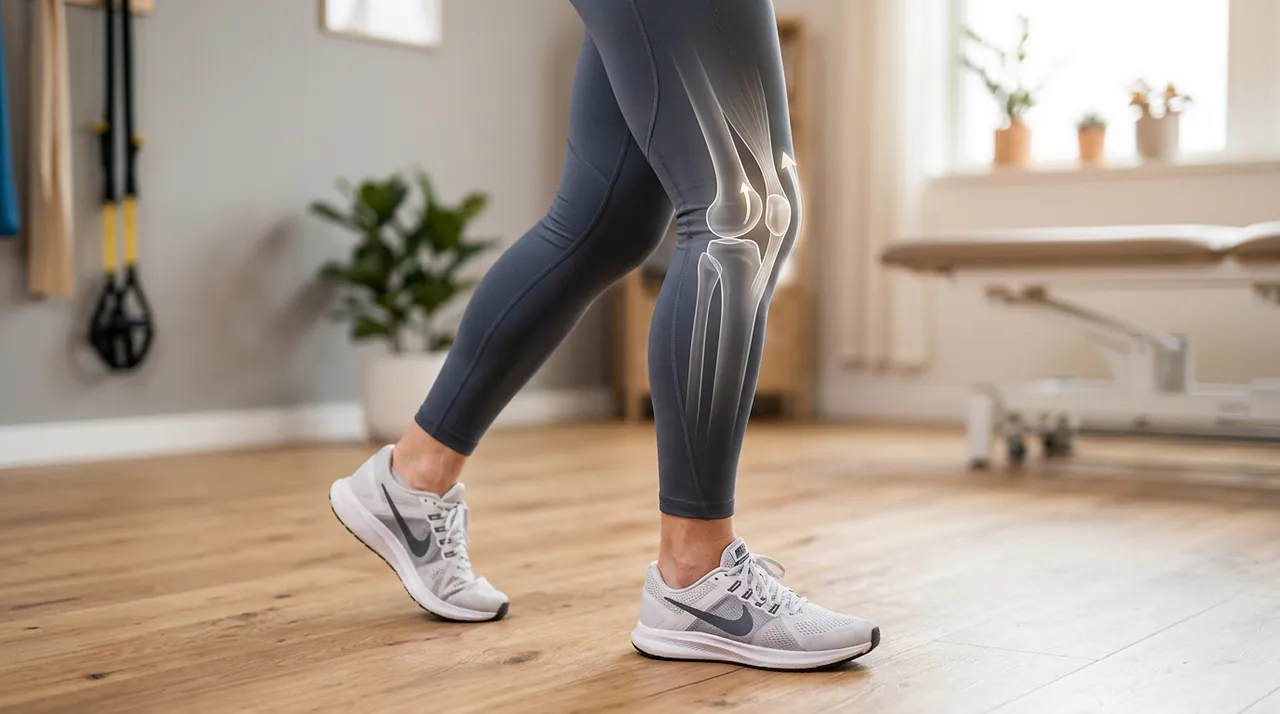
The knee is the biggest but most complex joint in the body. As we know, it is the one hinge that separates our body from the ground. It absorbs most of the energy as our body hits the ground with each footfall. The knee is made up of a simple hinge between the thigh (femur) and shin (tibia) and has the knee cap (patella) also floating about on top, as another separate joint.

Knee pain can be due to an acute traumatic injury such as on the sporting field or ski slopes, or from the process of wear and tear. Wear and tear, or osteoarthritis is the most common underlying cause of knee pain. According to Australian government reports, the number of total joint replacements where osteoarthritis was the principal diagnosis was for the knee and hip joints. This incidence of knee replacements has increased over the 10 years from 2004 to 2014, from 128 to 169 per 100,000 population.

Knowing how to protect your knees from damage can mean the difference between a fulfilling lifestyle and long term, strained mobility. Take measures to try these simple tips and avoid being another joint replacement statistic!

  • Simple straight line movements.

The simplest way to preserve your knee, your knee cap and the cushioning inside the joint, is to keep an eye on how your knee travels over the foot. Remember…

‘knee over the third toe’ …

whenever you find your knee bending. This can be as you sit down or stand up from all chairs and sofas (and even the loo!). As you walk up and down steps, can you work hard on this also? And how about at the gym with your leg presses, squats or lunges? By tracking your knee in this straight line, inward rolling forces are prevented, thereby preventing increased wear and tear on the inside part on your knee. Muscles will work in a balanced fashion about the knee and knee cap too, so you are constantly rehabilitating your knee with every bend!

  • Don’t ignore knee pain

Pain is the body’s way of sending you a signal that perhaps something is going wrong. If pain is insidious or a gradual increase about the knee, seek assessment and management guidance from your friendly physio. Often a little manual therapy for knee pain, postural awareness and strengthening work for the knee and surrounding joints will nip your niggle in the bud. There is nothing more damaging than persisting through ongoing pain when the loading and biomechanics around your knee is just not right. What’s that I hear coming around the bend? Osteoarthritis!

  • Lose some weight

I know this is easier said than done and is a decision often to change a few things in our lives. However, did you know that for every kilogram of extra body weight we carry, there is an extra 5 kilograms of force loading up the knee. Ouch!

  • Don’t ignore the joints and tissues around the knee

We have previously written about the bossy hip and bossy foot in an earlier post. Weak muscles and lack of flexibility are primary causes of knee injuries. When the muscles around the knee cap, hip, and pelvis are strong, it keeps the knee stable and balanced, providing support by absorbing some of the stress exerted on the joint. Feet, arch height, and footwear also play a HUGE role in keeping the knee a happy camper. Physios and podiatrists are terrific at advising and prescribing the right shoe or orthotics for you.

  • Avoid over training

I know you are all saying “well that is not me”, but any sudden increase in exercise that is not graduated can overload your knee joint and the supporting tissues such as tendons, muscles and cartilage. This includes walking, boot camp, or cycling. Our bodies need to build up tolerance to what we ask of it, and this takes time to develop. Too much too soon without rest is a recipe for disaster. And add to that the little extra weight you may be carrying and trying to lose; rolling inward knees, or poor shoes and wham, a sore knee will come knocking.

Speak to our physio’s @ The Fix Program or personal trainer should be able to structure a safe and progressive program for you from some baseline measures, individualised for you.

Start today and keep the orthopaedic surgeon away!


Round ligament pain in pregnancy

Do pregnancy belts help with lower belly pain when pregnant? by Tabitha Webb


In pregnancy we experience a whole host of new sensations. Some are exciting – especially when your new baby starts to move around – but others can be uncomfortable or just plain confusing. One of these not-so-exciting sensations is called round ligament pain.

What might I feel?

Round ligament pain is felt low in the abdomen, just above the pubic bone and out to the left and right sides. You might notice it as you do big, abrupt movements such as changing direction, rolling over, twisting, coughing, sneezing, and getting in or out of a bed, a chair or your car. It is usually described by those who experience it as a sharp jabbing or pulling, and while it can affect both sides or only one it is most commonly felt on just the right side. It is a very normal part of a healthy pregnancy and is mostly likely to be felt in the second trimester.

What are my round ligaments and why do they hurt?

Every woman has many ligaments that sustain the uterus in its usual forward tilt. The two round ligaments start from the top and front of the uterus (one on the left side and one from the right), and run forward and inward towards the groin where they attach to the pubic bones.

During pregnancy, as the baby grows larger and the uterus has to expand, these ligaments come under much more pressure and must elongate. At the same time they also start to bear a lot more weight than usual of your growing uterus, baby and placenta. Also, while the pregnancy hormone relaxin helps all the ligaments in your body become more flexible, the round ligaments become very flexible and can stretch too far, too easily. Because of these factors, sudden quick movements that pull on these ligaments can create short, sharp, and jabbing pains. The discomfort usually only lasts for a couple of seconds before disappearing.

Should I be concerned?

As expecting mothers, we can often worry about abdominal pains, and you should definitely have them checked by our doctors to rule out anything serious if you are concerned. But if the round ligaments are found to be the root cause of the pain, it can be reassuring to know that this is a normal and healthy experience and not a sign of anything being wrong in the pregnancy.

What can be done to help?

Here are some easy tips to alleviate the jabbing pains of your round ligaments.

  • Be mindful to move more slowly and gently while you are pregnant and to gently engage your pelvic floor and deep abdominal muscles during big movements like rolling over, changing direction and coughing or sneezing. Ask us to show you how!
  • When lying on your side try propping up your bump from underneath with a small cushion or rolled up towel between it and the bed or yoga mat to prevent it hanging down and dragging on the ligament. See the picture below for an example.

  • Ask your physiotherapist whether a pregnancy belly and lumbar support belt might be helpful for you. These gently support and stabilise your bump and lower back and reduce excessive, sudden stretch on the round ligaments and therefore can reduce the associated pain. We have some great ones in stock currently which are helping some of our ladies right now.

  • It can help to do some safe and gentle pregnancy-specific Pilates exercises under the direction of a physiotherapist. This will help to keep your deep abdominal, pelvic floor, and buttock muscles supporting you as well as possible. Working with your physiotherapist to practice the most supportive postures and ways to move and exercise can also help. We cater to this specifically in our prenatal pilates classes, and individual sessions and physiotherapy consults are always available

So don’t suffer through the pain in silence – talk to your doctor or any of the staff at The Fix Program about how to prevent and manage round ligament pain, and look after and support your round ligaments as they look after and support your growing bub, for a more comfortable and pleasant pregnancy.

Join an online class  from the comfort of your home - Katrina the principle physio at The Fix Program has designed a series of pregnancy exercise programs that will help you immensely. 


The overactive pelvic floor

When strengthening the pelvic floor is NOT the right thing to do.

by Heba Shaheed

 Overactive pelvic floor

For many women (and men), pelvic floor exercises are a really important part of the health and fitness picture. They are helpful in women with weakness in their core related to pregnancy, birth, lower back injury or simply weakness due to poor posture and sedentary lifestyles.

 The muscles in your trunk commonly called the “core” function as a unit. The pelvic floor muscles are one important part of the “core” along with the

  • diaphragm (breathing muscle),
  • transversus abdominis (deep abdominal muscles) and
  • multifidus (deep back muscles).

If one of these four muscles does not recruit optimally, it can affect the integrity of the whole core or postural system. 

Pilates and physio-led core strengthening exercise classes are a great place to work on your core and pelvic floor muscles. Ensuring that you accurately time the recruitment of your core muscles and coordinate them efficiently will give you the greatest gains from these classes.

How does it all coordinate together? 

Exercises should be broken down into two movement components for each phase of breathing, with one part of the movement timed with an inhale and the alternate movement timed with an exhale. For example, when doing bicep curls, the bending of the elbows can be done on an exhale and the straightening of the elbows can be done on an inhale.

You can easily remember this with “exhale with the effort”.

In this way, the diaphragm can be recruited optimally and 3-dimensionally for each movement component. The rest of the core system then needs to be coordinated with the recruitment of the diaphragm. As you inhale and the diaphragm expands outwards and downwards, the pelvic floor relaxes downwards simultaneously. As you exhale, and the diaphragm relaxes inwards and upwards, the pelvic floor also draws upwards (and the transversus abdominis tightens inwards).

Therefore, this is the movement pattern that needs to be encouraged during Pilates and exercises classes. Every time you inhale, your diaphragm should expand outwards and downwards and the pelvic floor muscles should relax down; and every time you exhale, the diaphragm should relax inwards and upwards and the pelvic floor muscles should squeeze and lift up.

In which people should pelvic floor activation be discouraged? Isn’t pelvic floor strength great for everyone to prevent incontinence and other issues?

In some people, these pelvic floor muscles can actually get “tight” or “stuck in spasm” and stay upwards- you could say they are too tight or strong. In these people, pelvic floor muscles can fail to relax downwards. In physio terms, we call this an overactive pelvic floor or a hypertonic pelvic floor. Signs that your pelvic floor might be overactive include symptoms such as

  • painful sex,
  • bladder urgency,
  • chronic constipation,
  • persistent period pain,
  • coccyx pain, or
  • simply a sensation that you are unable to relax your pelvic floor muscles down. 

For people who have overactive pelvic floor muscles, trying to recruit the pelvic floor during Pilates, running or exercise classes can cause these muscles to get even tighter and more dysfunctional. The symptoms listed above can in fact worsen.

Instead, these people should focus more on

  • the recruitment of their diaphragm, trying to encourage deeper and wider breaths in,
  • visualising the dropping or relaxation of their pelvic floor muscles as they inhale. Imagery such as visualising the way a pebble drops into a pond and the ripples it makes outwards can help people to learn to let go of these muscles,
  • the relaxation of their pelvic floor even within exhale,
  • the Pilates or exercise movement happening with the exhale but without actively contracting or lifting through their pelvic floor muscles,
  • activating their transversus abdominis muscle by gently drawing in their lower abdomen towards their spine, as they exhale.

To make it simple, the bulk of the exercise should be more of a focus on the diaphragmatic breathing. The greater stretch in the diaphragm, the more the pelvic floor muscles are able to relax downwards.

Are you worried that this could be you?

There is no need to be alarmed if you are currently exercising your pelvic floor in Pilates. If you have any of the symptoms of an overactive pelvic floor, the best thing to do would be to assessed by a women’s health or men’s health physiotherapist. Your pelvic floor physio would be able to measure your resting muscle contraction pressures and activated pressures vaginally or rectally to determine if your pelvic floor is not able to relax. There are treatments that follow all around improving your brain’s awareness and ability to relax, or to even massage and trigger point the tension away (Yes! You can do this in the pelvic floor muscles from inside the vagina!). Prescribing the right sort of exercise or even continuing with your regular exercise is usually possible, but with a different mindset when thinking about how you hold your pelvic floor muscles, better breathing techniques, trying not to breath hold or abdominal brace.

For those of you without any of the above signs, it is still great practice to “let go” and be aware of your relaxing pelvic floor as you inhale or after your set of biceps curls or squats. What goes up (your pelvic floor when activated) must come down (your awareness and ability to relax and let it go).

At The Fix Program we have women’s health physiotherapist that can treat you. Please contact us anytime.


Draft January 2017 'summer school' timetable

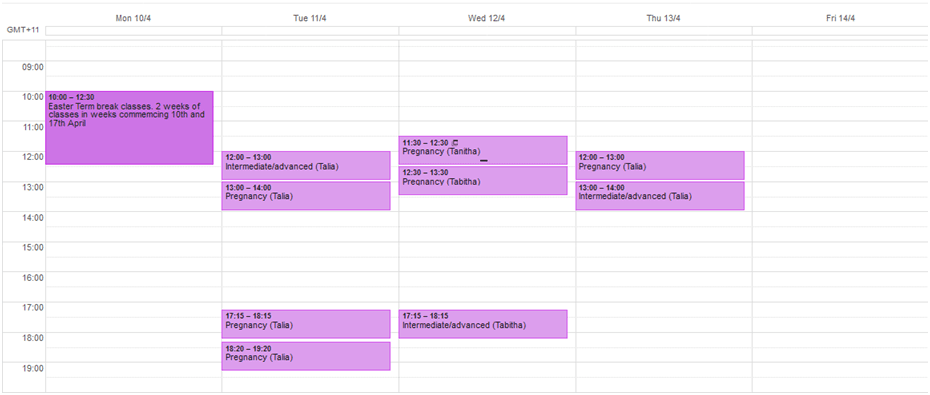
Draft ‘summer school 2017’ timetable is subject to change. This timetable is for our all of existing Pilates clients. These classes will run for 3 WEEKS ONLY in our CBD clinic for those of you who are back to work after Christmas indulgence!

These classes commence in the weeks of Monday 9th, 16th and 23rd January.

Classes are recommended and scheduled for:

Our full term 1 classes start in the following week, from Monday 30th January for all levels.


7 Oct 2016 BY Katrina Tarrant POSTED IN Pilates, Pregnancy

Mums & Bubs Pilates Classes @ Broadway

Our physios instructing the safest exercise around for you and baby

Getting back in shape is usually at the top of a new Mum’s wish list, but time off to exercise without baby is hard to come by! That’s why The Fix Program runs Mums & Bubs postnatal Pilates classes

Classes will be led by our wonderful physios specialised in pregnancy and post natal care. Designed to safely help your body back to full strength after pregnancy and childbirth.

Benefits include:

  • regaining your pelvic floor strength and recovery in a safe, appropriate and functional way
  • reducing any abdominal separation
  • building deep abdominal and back strength
  • lifting your mood and getting to know other mums
  • improving your fitness and muscle tone while having fun with your baby!

1 hour classes run weekly over 6 consecutive weeks

$39 per class (with nearly all health funds honouring a rebate per class)

Tuesdays or Wednesday mornings

Free 2 hour parking within the Broadway Shopping Centre

Please get in touch to secure your spot!

Call 9264 0077 or email us at broadway@fixprogram.com


21 Sept 2016 BY Katrina Tarrant POSTED IN Physiotherapy, Pilates

Nerve gliding and sliding

Tabitha discusses nerves and their desire to move

human nervous system

Nerve Glides and Pain

We’re all used to exercises designed to strengthen and stretch muscles, and it’s easy to see why – they improve balance and cardiovascular fitness while reducing the chance of injury. But have you ever wondered why your physiotherapist or Pilates instructor gives you exercises to “glide and slide your nerves”? Nerves are involved in pain and movement dysfunction, and ‘exercising’ them can have benefits such as less pain, reduced nerve sensitivity and better movement.

What do nerves do?

When it comes to pain, your nerves are a vital danger alarm system that communicates with the brain about various differences that arise in our body’s tissues. They communicate the type, location and amount of threat to the body. They are very clever and can tell a scratch from a cut, a touch from a push, a hot from a cold. This allows us to recognise, locate and weight the severity of the danger and act accordingly to protect ourselves. The brain receives and coordinates all of this information from the nerves with what your other senses are perceiving and even your mental state, and then decides on the level of pain or discomfort that you should feel.

What do nerves look like?

Nerves are cord-like structures, similar to electrical cords in your home or office. They are surrounded by a sheath through which the nerve glides and slides as your move. Inside the sheath, the nerve is made up of multiple long and thin fibres called neurons that spread throughout your entire body. The neurons have sensors at one end that pick up changes in the tissues in the small area around the end and communicate those changes back up through the body for processing.

It might be tempting to think that our pain is housed in the tissues ( skin, muscles, joints) themselves and that the nerves detect it, but that’s not the case – these neurons just register changes in pressure, temperature, and chemical balance in the tissues and relay those changes back up to your brain for processing.

What is nerve pain?

Sometimes part of your body that interacts with the nerves, or the nerves themselves, can malfunction, and this can result in nerve pain. Nerve pain can include tingling, numbness, sharp shooting pain, small regions of more sensitive tissue commonly called “trigger points”, itchiness, a feeling of wetness, pulling and tension.These symptoms can often be worsened by stress, holding the same posture for a long time, or with movements that compress or overstretch the nerve.

The nerves themselves can be damaged or made more sensitive by being cut, compressed, overstretched, aggravated by altered tissue chemistry, or if denied blood flow for an extended period.

Your nerves need to be able to slide through your body unfettered as you move, through any tissues that may be tight or that otherwise restrict their movement. Maintaining the normal ability of the nerves to glide and slide smoothly reduces their sensitivity and encourages renewal of the receptors to happen more rapidly.

How can I help my nerves to move freely, refresh their sensors more regularly and become less sensitive?

One of the ways we can do this is with a nerve sliding exercise, where the nerves or neurones and encouraged to slide within their surrounding sheath and through surrounding tissues. Movement of the nerves in this manner can increase blood flow to the nerve tissues, encourage healing and decreased sensitivity. Happy nerves, less pain. 

Many everyday movements and regular muscular stretches will also be stretching your nerves, but there are more specific nerve stretches also.  Why not try these common nerve slides for healthier nerves?  

Sliding the sciatic nerve of the leg

Repeat 5 x each side. You might feel pulling, tingling, numbness, heat, cold, wetness, itchiness anywhere along the back, neck and the back of the outstretched leg into the foot. Do not hold the nerve on stretch, but rather continue to slide it up and down throughout, keeping it moving.

Sliding the upper limb nerves

Here is another example of a nerve slider exercise for the nerves of the neck and arm. Gently flex and relax the wrist 5 x each side, continuously and gently moving, and you might feel pulling, tingling or any of the aforementioned nerve sensations between the neck down the arm into the hand.

 It’s clear that the nerves in your body can cause problems, and we have some ways to identify when this is occurring and then treat them to prevent and relieve symptoms.

Sliding your nerves is a great and easy way to start. Add these stretches to your usual stretch or exercise routine.


15 Sept 2016 BY Katrina Tarrant POSTED IN Physiotherapy

Rewire your brain to embrace change by Kimberly Gillan

A great read about the brain’s ability to behave with plasticity, to learn and attempt new things and make these entrenched as a new habits.


How many times have you sworn to eat perfectly healthy this week or finally make the career leap you’ve been dreaming of, only to get distracted by Netflix and a junk food binge?

Before you write yourself off as hopeless, it’s worth considering the fact that there are some interesting biological factors at play, designed to keep us in our comfort zone and avoid “out there” new behaviours. But with some clever strategies and persistence, you can override your brain’s penchant for comfort zone living and start to craft your ideal life.

Why we hate change

Ever stuck with the same old boring schedule, despite knowing there might be more exciting avenues to pursue? Well you’ve got your own biology there to blame. Basically, our brain favours us cruising along in a safe way. If we’ve got access to food and shelter, our brain kicks back thinking things are going swimmingly.

But when our prefrontal cortex (the part of the brain responsible for conscious thought and goal-setting) has a lightbulb moment, the other parts of the brain can go into damage control. This is to try preventing the potentially dangerous interference with everyday life.

“Often the brain detects things that are different from what it’s used to as a potential threat,” says Nikki Rickard, Director of Psychology, Swinburne Online. “If something is out of whack, it registers fear and will trigger what we call the flight-fight response, which is preparing your body to avoid or go and attack the source of the fear.”

One part of the brain that’s always quick to fire up about change is the amygdala, which detects threats.

Pushing out of the comfort zone

You’ve probably noticed that the more often you do something like a 6am gym class, the easier it becomes to do.

“When a behaviour has been repeated over a long time, the brain economises and works out a quicker way of doing things that requires less effort and tires us less,” Rickard explains.”It becomes a well-worn pathway so the brain can almost do it automatically and free up higher parts of the brain to handle more complex things we need to think about. The neural pathways become more solid.”

While it was once widely believed that our brains had limited capacity for change after adolescence, continued research, and Dr Norman Doidge’s seminal book The Brain That Changes Itself has revealed that we can open up new pathways in our brains to change behaviour — with commitment and persistence. Meaning that while opting to wake up earlier, study harder or work later may seem impossible at first, dedication will reward you by making the task easier over time.

“You’ve got to commit to the intention and believe you’ve got control over it,” says Rickard. “How much effort, time, patience and focused attention you can put into that new behaviour will determine how quickly you can unlearn the old behaviour and learn a new one.”

Helping new habits stick

If you can override that fear response and push through with your new routine, whether it’s 5am workouts or online study, then the basal ganglia part of the brain will start to take over and make the new behaviour a habit.

“When it becomes automatic, like riding a bike or driving a car, that’s when the basal ganglia and other more primitive parts of the brain take over,” Rickard explains.

You might have heard that it takes 21 days to form a habit, but research shows that it varies drastically between individuals and depends on the habit they’re trying to form. In fact, some researchers found it takes people anywhere between 18 days and 254 to cement a new habit.

But regardless of how long it takes, Rickard says that the more frequently you change your routine or life, the easier your brain will cope with change.

“People who are flexible and have tried a few times to break a bad habit and have been successful get rewarded for that,” Rickard says.”[Habits] are quite hard to learn but once they’re in [the brain], you slip into them almost without being aware — it becomes an automatic thing that happens.”

Trying different ways of doing things — changing the routine, with different people, or in different places — can often remove some of the cues that trigger old habits, and help you begin the rewiring that builds a new healthier behaviour.


Wow! Is this how I do a ‘Kegel’ pelvic floor contraction properly?

Pebbles falling into ponds will get you doing it right!


Pelvic floor strengthening or ‘Kegels exercise’   has recently hit the mainstream gyms and news. The importance of the pelvic floor is finally  being realised more, which is a great thing. It not only keeps our bladder and bowel control in check, but it also helps us with sex, supports our pelvic organs and gives our spine and pelvis great support. Yes, it is one of the ‘core muscles’.

However, doing it right may not be the easiest.

There are many tips to make Kegels exercises better or more appropriate. Try our ‘pebble in the pond’ method to have you contracting your pelvic floor with targeted appropriateness! 

Are you contracting your pelvic floor correctly?  

The pelvic floor can be thought of as a hammock at the base of your pelvis, connecting your pubic and tail bones. It incorporates the muscles that are part of your urethra, vagina and back passage. It does NOT involve your buttock, inner or front hip muscles, so isolating the contraction to only the hammock is the trick. It is also the way to get the best out of your pelvic floor strengthening.  

To help with this, picture the falling pebble into the pond.

‘Picture a still pond and a pebble falling into its centre. Visualise the circles of ripples this makes spreading slowly out to the edges of the pond.  Now rewind this picture, so you can see the ripples moving back evenly to the centre of the pond and the pebble lifting out of the water.’

Now try to relax and then contract your pelvic floor hammock in this way.  Can you feel how this image beautifully depicts the relaxing of your pelvic floor (dropping the pebble) and contracting (lifting the pebble) of your pelvic floor hammock?

Have you kept your buttocks and hips soft and isolated the contraction better to the vagina and back passage?

Make it a new habit!

Quietly lying on your back with your knees bent or sitting comfortably, imagine this picture as you very gently activate your pelvic floor muscles. Check that you

  • don’t try too hard – just begin with a small and easy contraction
  • keep your buttocks soft and relaxed
  • keep breathing. Please, no breath holding!

When you feel you have mastered this contraction, make each and every pelvic floor contraction feel this way. Remember, ‘close’ then ‘lift’ subtly when:

  • At the gym, yoga or Pilates classes.
  • Lifting weight, both at home with the washing basket or at the gym.
  • You feel a cough or sneeze coming on to prevent embarrassing leaks.
  • You are getting your pelvic floor strong again after having your baby.

Contact us if you wish to chat more about your pelvic floor muscle function and control.


13 Sept 2016 BY Katrina Tarrant POSTED IN Pilates, Sydney CBD

Draft Term 4 2016 timetable

Draft term 4 timetable is subject to change. This timetable is for our all of existing and NEW Pilates clients. These classes will run for 11 WEEKS for all classes on Monday- Thursday, or 10 WEEKS for all Friday classes.

Term 4 commences on Monday 10th October, and ends Thursday 22nd December.

Classes are recommended and scheduled for:


Fix News