The Fix Program Blog

Physiotherapy, Pilates, pelvic floor health and pregnancy

What makes The Fix Program a wonderful clinic for women?

Since 1999 we have taught thousands of women and men how to strengthen their backs, hips, pelvic floors and abdominals through a mix of Pilates, Yoga and core stability exercises. And yet we offer so much more.

As physiotherapists and women ourselves, we are passionate about the wellness of all women. We are expert clinicians in the diagnosis and management of conditions unique to women at all stages of life.

The active woman.

From niggly backs and hip pain, sore knees and feet, computer necks and headaches, we treat muscle and joint pain to get you back to what you love doing most. Massage, joint re-alignment techniques, postural awareness and exercise prescription are a start to how we achieve this. Education, empowerment and getting to the cause of the injury is our goal.

Incontinence, pelvic pain and painful sex, endometriosis and bowel troubles can also trouble the active woman. Bladder leaks with coughing, laughing, exercising or running is not normal and can be treated. Pain in the pelvis or when having sex is not normal. You do not have put up with it. Our Women’s Health physiotherapists are qualified to help you get back your pelvic floor function.

The pregnant woman.

In pregnancy, we want the best for you and your baby. Pelvic girdle pain, rib pain, back pain and other associated pregnancy aches can all benefit from physiotherapy. Pelvic floor weakness, abdominal separation and safe exercise while pregnant are issues we can help you with. You do not have to stop exercising just because you are pregnant. In fact, the right exercise can help with controlling gestational diabetes, cardiovascular health of mum, control weight gain and protect the spine and pelvis from the big changes seen in pregnancy. A strong body can support your changing posture and prepare you for labour and when baby arrives.

The new mum.

So, now that you have your baby, your body may still not feel quite right. Ongoing back and pelvic pain, upper back pain and pelvic floor issues such as incontinence and sensitivity are very common. When am I safe to exercise and what can I do? How do I bring back my belly separation and pelvic floor strength? Do I have, or am I a prolapse risk? What effect has breastfeeding on my hormones and return to exercise?

New mums are a special bunch and need special care. We can internally assess the pelvic floor function for any weakness or prolapse, manage abdominal separation, pains and aches, and educate and get you back to exercise and feeling in control of your body.

Every Woman.

It is well known that physios can help with muscle and joint injuries, postural pain, alignment and exercise. It is not widely known however that specialised physiotherapists can manage pelvic floor problems. At The Fix Program, we do just this. We can help you if you have:

  • Urinary incontinence or poor bladder control
  • Bowel incontinence and constipation
  • Over active bladder and urge incontinence
  • Pregnancy and post-natal pelvic floor weakness, scarring or pain
  • Vaginal prolapse (also known as pelvic organ prolapse)
  • Painful sex and pelvic pain.

Pelvic floor problems are more common than you think, and it is our mission and passion to get the conversation started. To seek help and to gain back pelvic floor control is life changing and sometimes takes a little bravery. Caring, sensitive and thorough assessment and management for each woman is our focus. We understand that every woman is different.

What do I do next?

Contact us. You don’t need a doctor’s referral to see our physiotherapists. We’ll be happy to chat about your needs.


26 Apr 2016 BY Katrina Tarrant POSTED IN Exercise, Physiotherapy

Finding the right running shoe

Surviving the shoe mine field by Julian from Sydney Running Centre

running shoes

The question I have been asked the most over the last 15 years in the running shoe game is “so what’s the best running shoe?” It’s always so difficult to come up with a short answer to this question but I’ll give it a shot……“there is no such thing!”

 Good running shoe manufacturers build their range of shoes based on 2 key areas:

  • Different foot types (such as is the foot high arch, low arch, wide or narrow?)
  • The type of running/training you are doing (is the shoe for road or long distant racing, short fast running, long slow running, walking and so on?)

This means that within the huge range of shoes you will see on shop walls or advertised online, some will suit you down to the ground and others will be completely wrong for you. You cannot choose running shoes based on colour alone! You need to combine information from the 2 key areas mentioned above to help find the right shoe but this can be difficult because how does one know “what’s what” when it comes to running shoes?

A lot of people will search online and read forums and reviews on running shoes. Whilst this can sometimes be helpful, there is a lot of misinformation online about shoes which will often point you in the wrong direction. It is also hard to decipher the information because every brand’s advertising is aimed at convincing consumers that their products are superior to all others.

To find the right shoe…

 At the Sydney Running centre we know which shoes will suit your feet. How do we do it? We will ask questions such as:

  • What kind of exercise will you be doing?
  • What shoes have worked or not worked for you in the past?
  • Are you carrying any injuries or niggles as a result of your exercise?
  • Do you wear orthotics?

We will then have a look at your feet and walking gait to identify the shape of your feet, whether or not you pronate (roll in through your arches), supinate (roll out through your mid-foot) or neither (neutral). With all this info combined we will then recommend some shoes that are in the right category for you -usually 2 or 3 pairs.

The next step is to try them on, lace them up properly and have a walk around – like any shoe they need to feel comfortable to you. A good way to describe the way a shoe should feel is “comfortably firm” this means that you have a feeling of support from the back of the heel through to where the laces end and then enough wiggle room in the toes. “The piggies need to wiggle!”

I’ve found the right pair, but how long will they last now?

Another common question I get asked is “how long should shoes last?” Yet again it’s quite difficult to answer this as people wear shoes out at different rates. The best guideline I can give is this:

  • If you use your shoes 3 times a week or more for exercise that involves impact on hard surfaces you should replace them every 12 months with 18 months being the absolute cut off. A 12 month old pair of running shoes can still be completely intact and have no obvious signs of excessive wear but the likelihood is that the cushioning in the shoe has compressed to a point that it will no longer provide the necessary shock absorption.
  • Some people say they know their shoes are finished because they all of a sudden “feel it” in their knees.
  • Running or walking around in shoes that are worn out is just as detrimental as wearing shoes that are not right for your foot type so it pays to get the right shoes and replace them before they start causing damage.  

sydney running centre

The Sydney Running Centre has been operating in the Edgecliff Centre for over 15 years. Father and Son team Phil and Julian have a wealth of knowledge when it comes to running, walking, shoes and feet.

If you have trouble finding comfortable shoes then pay a visit to the Sydney Running Centre and mention this article to receive a 10% discount off the retail price.

http://www.sydneyrunningcentre.com.au/


Periods and back pain

Why does my period make my back and pelvis hurt?

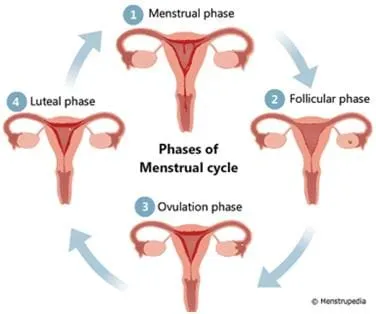
To understand why the back or pelvic hurts during a period, we need to understand the menstrual cycle and the changing levels of hormones. The menstrual cycle is made of a few main phases.

  • The first phase, which is menstruation, begins on the first day of your period. During menstruation hormones, oestrogen and progesterone, are relatively low.

Menstral phases

  • In the second phase, also known as the follicular phase, FSH (or follicle-stimulating hormone) is released, which causes immature eggs to develop. These follicles cause a lot of oestrogen to be produced, and the lining of the uterus thickens, for a possible egg to be embedded.
  • The third phase in ovulation, and is when a mature egg is released from the ovary. It is triggered by an abrupt rise in LH (or luteinising hormone). At ovulation, the cervix moves higher and its opening widens. The release of the egg and the movement of the cervix is why some women experience cramps or aches at ovulation, and why some women experience ovulation spotting. After ovulation, the egg enters the fallopian tube and moves along the uterus.
  • The fourth phase, also known as the luteal phase is when oestrogen production drops and progesterone increases. This further thickens the uterine lining to allow for a fertilized egg to embed. If fertilization doesn’t occur, the egg breaks down, and progesterone levels drop, which disintegrates the uterine lining, in preparation for a period. This drop in progesterone is why some women experience mood swings, bloating, tender breasts or tiredness.

During the period, the broken-down lining of the uterus flows down through the cervix and out of the vagina. When you have a period, the uterus swells and expands and can become almost double the size and weight (pictured below).

Uteris size

Understanding the anatomy of the pelvis can help us understand why the back and pelvis can hurt during a period and during this time when the uterus is so enlarged. Here are some explanations:

  • Firstly, the uterus is suspended in the pelvis to the sacrum (pictured below), which is the triangular bit of bone between your lower back and your tailbone. You can feel the top part of your sacrum, where the dimples in your lower back are. These ligaments are called the uterosacral ligaments. When the uterus swells, this puts pressure on the uterosacral ligaments, which can then create a dragging feeling, heaviness or pain on the sacrum and tailbone.

Periods

  • Secondly, to push the uterine lining out through the vagina during menstruation, the uterus muscle contracts, and if it contracts sharply, it can make you feel strong cramps. Hormone-like substances called prostaglandins trigger these contractions, and prostaglandins are also involved in pain and inflammation processes. If a woman has high amounts of prostaglandins, she can have more severe menstrual cramps.
  • If a woman has endometriosis, cells that resemble the lining of the uterus exist on other places within her pelvis, such as on her bladder, bowel, or vaginal walls. These cells can be triggered with a period and cause more pain and inflammation, which is why women with endometriosis tend to have more severe period pain.
  • Sometimes the uterus isn’t aligned neutrally within the pelvis, and this can contribute to pain that may be one-sided or to pain in the lower abdomen. The uterus may be tilted to the side or it may be tilted forwards. Visceral mobilization to re-position the uterus well inside the pelvis by a trained women’s health physiotherapist can help bring back alignment to the uterus and surrounding tissues.
  • Often the pelvic floor muscles can cramp because of the contracting uterus and vagina. This can also contribute to an increased perception of period pain, because not only is the uterus contracting, but the pelvic floor and pelvic wall muscles go along for the ride. Over time, these muscles can become stuck in a tight position from overworking for many months or years. Because these muscles also attach to the pelvis, tailbone and lower back they can add to your lower back or pelvic pain. Pelvic floor release techniques by a trained women’s health physiotherapist can release these tight muscles, which can in turn reduce the overall pain during periods.

If you have period pain or lower back pain or pelvic pain, try seeing a women’s health physiotherapist, as very often, having some physiotherapy can significantly reduce or completely eliminate your pain. Their treatment techniques can help with other menstrual symptoms such as spotting, irregular cycles, long cycles, and research is now showing the benefits of physiotherapy for fertility as well.

Join an online class  from the comfort of your home - Katrina the principle physio at The Fix Program has designed a series of pregnancy exercise programs that will help you immensely. 


26 Apr 2016 BY Katrina Tarrant POSTED IN Exercise, Physiotherapy

Rheumatoid arthritis, exercise and physiotherapy

When arthritis is rheumatic

  arthritis zones

Last month we talked about the more common osteoarthritis and how the disease presents and is best managed. Osteoarthritis (OA) and rheumatoid arthritis (RA) are very different diseasesand are therefore managed quite differently. They are often confused when speaking about sore joints in the patient and general populations.

The cause of RA is not yet fully understood, although doctors do know that an abnormal response of the immune system plays a leading role in the inflammation and joint damage that occurs – the reasons are not known, but can involve genetics, hormones and the environment. Recent research has shown that people with a specific genetic marker called the HLA have a fivefold greater chance of developing rheumatoid arthritis than do people without the marker and this gene controls the immune response in the body.

Researchers continue to investigate other factors that may play a role, including infectious agents such as bacteria or viruses, female hormones (70 percent of people with RA are women), obesity or in response to stressful events.

The 5 features of rheumatoid arthritis

  • RA is an auto-immune disease. This kind of condition causes the body’s immune system to attack itself. Normally, your immune system makes antibodies that attack bacteria and viruses, helping protect your body against infection. If you have RA, your immune system sends antibodies to the lining of your joints, where instead of attacking harmful bacteria, they attack the tissue surrounding the joint.

  • Doctors and medical research haven’t really found a cause for RA. There has been a link to people who smoke or have a family history of this disease. It is not yet known what triggers the initial attack. Some theories suggest that an infection or a virus may trigger RA, but none of these theories has been proven.

  • RA usually affects the smaller joints, such as those in the hands, feet, neck and wrists. Larger joints such as the hips and knees can also be affected.

  • RA is three times more common in women than in men. This may be due to the effects of oestrogen (a female hormone). Research has suggested that oestrogen may be involved in the development and progression of the condition. However, this has not been conclusively proven. Children can also suffer from RA, called Juvenile Arthritis (JA).

  • RA is characterised by periods of the disease being either dormant or in a time of ‘flare up’. With the joint lining being attacked and all inflamed at these flare up times, there is the presence of hot and swollen joints which are intensely painful to touch and to move. Pain is worst in the morning and can take hours to ease. It actually gets worse with rest and feels better with gentle movement or as the day progresses. RA can also affect the tear ducts, salivary glands the lining of the heart and the lungs, all being very red and sore.

Diagnosing and managing rheumatoid arthritis

In its early stages, RA may resemble other forms of inflammatory arthritis. No single test can confirm RA. To make a proper diagnosis, the rheumatologist will ask questions about personal and family medical history, perform a physical exam and order diagnostic tests. The doctor will examine each joint, looking for tenderness, swelling, warmth and painful or limited movement. The number and pattern of joints affected can also indicate RA, as this type of arthritis tends to affect joints on both sides of the body. This is unlike OA which tends to affect a joint here or there with no particular pattern.

Blood tests are critical to diagnosing RA as inflammation levels and other bio ‘markers’ can be found in bloods which can be used in addition to the other clinical findings to properly conclude that the arthritis is RA. These include rheumatoid factor (RF) or another anti-body (anti-CPP) which have been found in up to 80% and 70% of those with RA respectively.

Finally, investigations such as Xray, MRI or ultrasounds can assist with diagnosis that can show joint erosion, and narrowing or deformity of the affected joints. These scans are not independently conclusive as there can be the presence of RA in some persons without yet any changes to the joints that would show up on scanning.

Unlike OA, the treatment of RA relies heavily on aggressive drug therapy to stop the inflammatory process to put the disease into an ‘inactive’ or ‘remission’ state. The goals of rheumatoid arthritis (RA) treatment are to:

  • Stop inflammation (put disease in remission) as early as possible
  • Relieve symptoms
  • Prevent joint and organ damage
  • Improve physical function and overall well-being
  • Reduce long-term complications.

Drug therapy initially includes anti-inflammatory for symptomatic relief and slowing of the inflammatory process, steroids and disease-modifying anti-rheumatic drugs, some which are also used to treat some cancers.

Non-pharmacological therapies involve a mix of rest in the highly inflamed periods and gentle exercise, stretches and strengthening to support the affected joints in periods when the disease is less active ad pain levels are lower. This is where your friendly physiotherapist would work with the patient, the rheumatologist, the current phase of the disease (active or in remission) to prescribe a specific exercise program. As with OA, the guidelines for exercise for RA are very similar, however with the RA patient, pain, inflammation and flare-ups are a primary concern. The guidelines are:

  • There need to be the right balance between exercise and rest. Too much of the wrong exercise can load up the affected joints more and cause increases in pain, inflammation and long term joint damage. Too much rest and no exercise makes the joints also stiffen and the muscles around to weaken.
  • All joints in the human body require synovial fluid and lubrication to stay mobile. This fluid will be secreted by the cells in your joint with the response to movement. So, move it, or lose it (as they say)!
  • Too much heavy weight bearing exercise such as jogging, jumping, lifting can over load already painful eroded joints. Preventing repetitive joint loading tasks where possible, including kneeling, squatting or heavy lifting
  • Muscular support and strength about the OA joints will make will offer support and shock absorption that would otherwise be transmitted into the painful joint. Good muscle condition is paramount. Pilates could really be a winner here!

Preventing arthritis

Rheumatoid arthritis cannot be prevented as it is an unlucky person who is afflicted with this auto-immune disease. If your joints are painful and there are many afflicted at the same time, referral to a rheumatologist specialised in RA would be recommended.

If you are worried about any joint pain you are having, speak to one of our physiotherapists at The Fix Program.


25 Apr 2016 BY Katrina Tarrant POSTED IN Women's Health

The irritable tummy and pelvic pain

Nutritionist Fumi discusses Irritable Bowel Syndrome (IBS) and the role of diet


What is IBS?

IBS stands for Irritable Bowel Syndrome. It is a condition of the digestive system, affecting one in seven Australian adults. IBS is characterised by a variety of uncomfortable symptoms including:

  1. Abdominal pain
  2. Wind (excess)
  3. Constipation and/or diarrhoea
  4. Bloating

What causes IBS?

The cause of IBS is yet unknown, but certain triggers have been identified and these include:

  1. Food intolerance
  2. Poor diet
  3. Stress
  4. Medication
  5. Infection

How do I get diagnosed?

The symptoms of IBS are very similar to other gastrointestinal disorders, such as diverticulitis, inflammatory bowel disease, polyps, Coeliac disease, infection, and certain cancers. Therefore it is vital that you get a proper medical check if you suspect IBS in order to rule out the other possible causes.

A cure for IBS is yet to be developed, so the current primary treatment is to identify and avoid individual triggers. If you suspect dietary triggers, then trialling a low FODMAP diet has shown to significantly improve the unpleasant symptoms of IBS.

What is the Low FODMAP Diet?

FODMAPs are complex sugar/starches found in a variety of foods we eat. It stands for Fermentable Oligosaccharides Disaccharides Monosaccharides And Polyols. These FODMAPs are poorly absorbed in ALL people, however, those with IBS are thought to experience debilitating symptoms due the gut being hypersensitive compared to those without IBS.

The Low FODMAP Diet is the first phase of an investigation strategy. It should be followed for only 2-8 weeks. Subsequent challenges and re-introduction of individual FODMAPs are necessary in order to identify specific individual triggers and tolerance levels.

FODMAPs are in fact vital for health and wellbeing as they feed the good bacteria in the gut and contribute to bowel health. That’s why it’s vital for individuals to find the optimum balance for their FODMAP tolerance instead of sticking to a low FODMA diet life-long. Think of it like an ankle sprain: you give the ankle a few days of rest, then you slowly introduce rehab exercises to strengthen that ankle. That’s what we want to do with dietary management of IBS. You “rest” on the low FODMAP diet, then “rehab” as you proceed through challenges and liberalisation, so that you “strengthen” your tolerance to its optimal level.

Key nutrition solutions

Our Philosophy

Eat better, Get better, and Live better.

Food truly affects your everyday life. Your energy, mood, and performance… they are all affected by what you eat everyday. In today’s society where eating has somehow become the point of judgement and debate, it’s no surprise that people are so confused on what, when and how to eat.  

At Key Nutrition Solutions we like to keep things simple. We understand that each and every one of us has a unique body, lifestyle and nutrition requirements. We’re all different so of course each of us needs a unique plan. Key Nutrition Solutions respects your personal beliefs, lifestyle and life priorities, and we are committed to providing you the best food approach to health.

Our Dietitian

A dietitian. A home-cook. An adventurous foodie and an experienced ballet teacher. That’s Fumi, the directing dietitian at Key Nutrition Solutions. With her knowledge, profession and life-long involvement in food and dance, Fumi will provide you with the latest knowledge, scientifically proven strategies and practical advice to improve your performance, life, and wellbeing.

Fumi has suffered food allergies and intolerance herself, so she understands the pain and challenges you face when it comes to dealing with such “food problems”. She is passionate about helping others that suffer the same, and is always updating her knowledge and practice in this complex area of food and body interaction, so you are assured you get all the professional support you need.

http://www.keynutritionsolutions.com.au/


24 Mar 2016 BY Katrina Tarrant POSTED IN Pilates, Sydney CBD

Draft Pilates Timetable for Term 2 2016

The draft timetable may be subject to change. This is a 10 week term of classes, running from the week commencing Monday 25th April and ending week commencing 27th June, 2016.

Please note that there will be NO classes on Mondays 25th April and 13th June due to public holidays. Monday’s classes will therefore run as a shorter 8 week term. Payment will reflect this accordingly. 

Classes available for


23 Mar 2016 BY Katrina Tarrant POSTED IN Pilates, Sydney CBD

Draft Pilates Timetable for Term Break April 2016

Draft term break timetable is subject to change. This timetable will run for 2 weeks only in weeks commencing 11th and 18th April, 2016.

Classes are recommended and scheduled for


23 Mar 2016 BY Jaclyn Thurley POSTED IN Exercise, Physiotherapy

More Top Tips for Running

City to Surf in August…here I come!

Last month we talked about all of the posture tips for running to prevent injury and make your running style super efficient. Have any of you started to utilise at least 1 or 2 of the postural cues when running (or even walking)?

Here are a few more things to consider before you head out and start your training for the City to Surf or May SMH Half Marathon! (or to walk the dog each night).

  • Treat for your feet.

The ultimate key to success is having the right running shoes! It is always a good idea to get your shoes chosen and fitted by a qualified professional. As physiotherapists, we work closely with podiatrists and therefore get the inside intel on the leading shoe brands. Currently Brooks, New balance and Mizuno are making top-notch running shoes.

However, there are various styles in each brand, for various terrains, for various foot types. Therefore getting your shoes fitted by someone with the ‘know how’ is a must!

  • Run on the right surface

Running on the right surface can help you avoid those niggly injuries, and is especially important if you are new to running or if you are returning to running after a period of time off. The perfect terrain is level, not too soft nor too hard. Sand and grass can often be too soft, cement or road often too hard. The best by far is running on man-made dirt tracks, such as compressed gravel, stone aggregate or cinders tracks.

These ideal terrains may not be so easily on your door step, so try to mix up your surfaces to keep your body adapting and not loading up too much repetitively.

  • Don’t over-stride

Research strongly supports increasing your cadence (number of strides per minute) and shortening your stride length. This has been shown to improve your efficiency and performance, and is associated with reduced injury rates. Therefore keep your strides short, and if you want to improve your pace increase the number of strides you take per minute, rather than lengthening your stride. It is said that a cadence that is ideal for everyone running is between 80-100 steps per minute. Get counting!

  • Why not start with interval running

For both new runners and those returning to running, to ease your way back into things, why not start with interval running? Interval running is a fantastic way to return to running gradually and avoiding fatigue and overload related injuries. The following is an example of an interval running program:

Week 1

2min jog, 4 min fast walk x6

Week 2

4min jog, 4min fast walk x4

Week 3

6 min jog, 2min fast walk x4

Week4

10min jog, 2min fast walk x3

There are also plethoras of running apps that can be downloaded, often for free that can take you through a graded jogging program. I have had friends successfully work their way through the Couch25k app. This app talks you through a 9 week interval training program to have you running from nothing to 5ks in 9 weeks. You can even load up your own favourite motivating exercise music to listen to whilst being directed by the wonderful voice over.

  • Do the ‘prehab’!

It is always a good idea to condition your body prior to return to running. This can be done by performing specific exercises that target the essential muscle groups. The muscles of the core and buttocks are vital to running, as they provide your legs with a stable and level base from which to move under. Here are some early stage core and buttock exercises to get you started:

  • The Leg Roll In and Out. This exercise has you thinking about the stable pelvis and the deep set of muscles within the deep abdomen and pelvis. Applying this muscle ‘feeling and awareness’ when running will build resilience about the pelvic platform, hips and spine.

  • Clam. This exercise builds strength, awareness and endurance in the lateral hip area and a muscles specifically called ‘gluteus medius’. This muscle controls the hip joint within the pelvis, and prevents the awkward side to side drop of the pelvis seen in some walkers/runners. Weakness in this muscle can cause lower back pain, hamstring and ITB injuries and knee pain.

  • Lunges. This gets you up and on your feet, putting it all together. Running has you needing leg strength, hip control and pelvic control and lunges have you thinking about all of this. Take your time and work that lower body. Try fixed feet lunges and then progress to stepping lunges to make it even more dynamic and like running.

If you would like a personalized program or the above exercises progressed to higher level running specific exercises please contact your Fix Program physiotherapist.

Leg Roll Out and In.pdf (151.3KB)

The Clam Exercise finding deep bottom muscles.pdf (191.6KB)

Deep Lunges.pdf (118KB)

www.c25k.com


22 Mar 2016 BY Heba Shaheed POSTED IN Women's Health

March is endometriosis awareness month

12 easy nutrition tips to ease endometriosis and pelvic pain

Last month, I wrote about how hands-on women’s health physiotherapy is effective for women who suffer from endometriosis. This month I cover some practical nutrition tips to manage the pain and symptoms associated with endometriosis. This is information I provide as a Women’s Health Nutrition Coach to my patients with endometriosis.

In endometriosis and chronic pelvic pain conditions, there is often a repetitive inflammatory process occurring within the pelvis. Pain is often a cardinal symptom of inflammation and, without getting too technical, the presence of something called “cytokines” in the body suggests inflammation. Interestingly, research shows the presence of several inflammatory cytokines in women with endometriosis.

So, what do pain, inflammation and inflammatory cytokines have to do with endometriosis?

Well, understanding this process provides the basis for why an anti-inflammatory diet is important in managing this disease. Certain foods have been proven to reduce inflammation and these are recommended for women with endometriosis. Knowing this makes it easier to stick with dietary changes, because ultimately you are not just reducing your symptoms but also reducing the growth of the disease. So let’s get into the anti-inflammatory foods.

Some general anti-inflammatory foods that you can simply begin to incorporate into your diet and cooking include

  • lime zest
  • mushrooms (button, oyster, honey-brown, shiitake, enoki)
  • sweet potato, onion (be careful with this if you have IBS and are sensitive to FODMAPs)
  • Thai spices such as kyeng, dill, kaffir lime, chilli, teaw, sweet basil, pea eggplant
  • other herbs and spices that are anti-inflammatory including curcumin (turmeric), ginger, cinnamon, cloves, oregano and sage.

Please bear in mind that every woman with endometriosis is different and a blanket diet cannot be given to every woman. A woman with endometriosis may have other concurrent conditions that would warrant other dietary modifications. This could include irritable bowel syndrome, interstitial cystitis, poly-cystic ovarian syndrome and pudendal neuralgia.

There are some general recommendations that are given for women with endometriosis. These suggestions can include

  • ensuring you have clean protein, healthy fats and fibre at every meal

  • going gluten-free. More and more research is showing significant improvements in women who stop eating gluten. Gluten ranks as one of the highest toxins for women with endometriosis. Simply going gluten-free without any other changes can be enough to reduce pain significantly.

    Some women can also be sensitive to other grains, but if not, you can enjoy brown rice, buckwheat, quinoa and teff as alternatives.

  • limiting soy. Pelvic pain is found to be higher in women who regularly eat soy. If you need to have soy, its best to stick with low amounts of non-GMO, organic, fermented whole soy foods.

  • limiting diary. A lot of women with endometriosis have developed sensitivities to dairy. This can be sensitivity to lactose, which is a sugar found in dairy, or sensitivity to casein, which is a protein found in dairy. Dairy can cause inflammation which can lead to pain.

    Simply substitute for non-dairy alternatives e.g. almond or other nut milk, rice milk, coconut milk, coconut yoghurt, coconut cream and coconut ice cream. Grass-fed butter is usually well-tolerated.

  • limiting sugars. Processed and refined sugars wreak havoc on the gut. Switch to coconut sugar or pure maple syrup for sweeteners. If you have a chocolate addiction try Loving Earth brand of chocolate instead.

  • limiting coffee and alcohol.

  • enjoying increased high omega-3 fatty acids. Foods that are high in omega 3 are your powerhouses of anti-inflammatories. They can even be used as an alternative to pharmaceutical NSAIDs!

    For example, flaxseeds/linseeds, walnuts, brussel sprouts, cauliflower and fish such as sardines, salmon, tuna, blue mackerel, gemfish, shrimp

  • increasing your vegetable intake. Have rainbow colourful vegetables at every meal, making sure you have lots of green leafy vegetables. Sulfur containing vegetables and cruciferous vegetables help with estrogen detoxification. This is found in broccoli, brussel sprouts, cauliflower, kale, leafy greens and cabbage.

  • increasing your fibre intake. This is effective for estrogen detoxification. Simply add chia seeds or flaxseeds to your meals. Your goal here is 35-45g of fibre per day.

  • increasing your antioxidants. Foods high in Vitamin C are very effective for reducing inflammation. These can include papaya, bell peppers, broccoli, brussel sprouts, strawberries, pineapple, oranges, kiwi fruit, cantaloupe and cauliflower.

  • drinking lots of water and tea. English breakfast and green tea are anti-inflammatory teas.

  • taking probiotics. Cycle between 3 different brands of quality probiotics every 3 days for optimal gut health.

So there you have it. Twelve tips to reduce the pain associated with endometriosis. You can start your journey to a healthier pain-free life by adopting these nutritional strategies.

If you would like more personalised nutrition coaching for endometriosis or pelvic pain, you can enquire with one of our women’s health physiotherapists at The Fix Program.


22 Mar 2016 BY Katrina Tarrant POSTED IN Exercise, Physiotherapy, Pilates

Osteoarthritis and Pilates

Clearing the confusion around arthritis

As a physiotherapist, I am always explaining the differences between osteo and rheumatoid arthritis. There is a common misconception that they are the same disease, however, they are very different.

When reading through X-Ray or MRI reports together with my patients, this discussion about the differing arthritis conditions typically arises. These scan reports speak of ‘degenerative changes’, ‘bony spurring’, ‘osteophytes’, and ‘osteoarthrosis.’ These words all sound a little scary, don’t they? However, it is often said that if each person over 40 were scanned from head to toe, there would be these changes in every one of these people in at least one of their joints. It really is a natural part of aging and shouldn’t be viewed as a catastrophe!

Practitioners, doctors and those with these X-ray changes should really look to the associated symptoms felt at these affected joints (if there are even any?) before rushing to blaming these findings as the cause of pain and dysfunction. Often investigations such as scans like these can show the presence of ‘degenerative changes’ but without any associated pain or other symptom. Scans really should be read and used with caution for this very reason.

Let’s look in more depth at the main characteristics of osteoarthritis (OA) this month. In our next newsletter, we will explore rheumatoid arthritis (RA).

The 5 features of osteoarthritis.

  • OA is the most prevalent type of arthritis with a report from the Australian government from December 2015 reporting that self-reported OA is as high as 1 in 13 Australians. Of these, every 2 in 3 are female. It is not at all common in children and comes with ages over 40.

  • OA is also known as the ‘wear and tear’ arthritis or degenerative joint disease. It is mostly found in the fingers, thumb, big toe, lumbar spine, hips and knees. It is most painful and symptomatic in the hips and knees. When someone is off to have their knee and/or hip joint replaced, they are typically receiving new stainless steel or titanium joints to replace their old worn out ones from the degenerative process of OA. The before mentioned Australian government report states that there was a 32% rise in total knee replacements from 2004 to 2014.

  • OA is caused by the slow breakdown or erosion of the cartilage which lines our joints. This cartilage acts as a cushioning between the 2 bones making up a joint. The cartilage allows for the smooth sliding of one joint surface over the other as we move and can absorb impact and pressures like a shock absorber. If a joint is used too much or has excessive loading such as with some repetitive movements of sport or from carrying too much weight, the watery composure of the cartilage breaks down almost to the point of bone rubbing on bone. This stimulates the body to respond, changing the affected joint’s muscle and bone. This is where thickening of the soft tissue or the growth of bone spurs will occur.

  • Bone spurs- also called osteophytes- are the body’s clever response to the bone on bone abnormality of an affected arthritic joint. The exposed bone within the joint can become inflamed and this stimulates further bone to grow around the edges of the joint. It can be thought of as the body trying to increase the surface area of the joint to spread the pressures and stresses across a greater area. Unfortunately, some osteophytes can cause problems, but this is not a blanket norm. In some joints such as the small facet joints on the spine, bony spurring can restrict the space of a nerve canal, causing possible irritation of the nerve. Another problematic spurring of bone can be at the big toe. Generally bone spurs themselves are not problematic, but they are a signal of an underlying problem that often needs to be addressed. They can be documented to help assess the severity of a condition such as arthritis.

  • OA is characterised by stiffness and limited movement in the affected joint. Initially, pain is felt after activity and settles with rest. There may be some stiffness in the morning, but this is mild and lasts less than 30 minutes. As the OA worsens, the joint may become enlarged and tender due to bony spurring. Tis can affect pain free movement and alter the mechanics of good movement across the region, making everyday activities such as walking difficult.

How can exercise like Pilates assist with pain associated with osteoarthritis?

As OA is a ‘wear and tear’ disease that is associated with aging, often is cannot be helped. However, its progression or severity can be altered with a few practices.

Exercise is a well documented management for those suffering from OA. This is a broad statement and to dissect it a little is time well spent. Here are some points to consider:

  • OA needs the right balance between exercise and rest. Too much of the wrong exercise can load up the affected joints more and cause increases in pain and stiffness. Too much rest and no exercise makes the joints also stiffen and the muscles around to weaken.
  • All joints in the human body require synovial fluid and lubrication to stay mobile. This fluid will be secreted by the cells in your joint with the response to movement. So, move it, or lose it ( as they say)!
  • Too much heavy weight bearing exercise such as jogging, jumping, lifting can over load already painful eroded joints. Preventing repetitive joint loading tasks where possible, including kneeling, squatting or heavy lifting
  • Muscular support and strength about the OA joints will make will offer support and shock absorption that would otherwise be transmitted into the painful joint. Good muscle condition is paramount.
  • Exercise will assist in keeping weight controlled and down. There is nothing less a knee, hip or spine likes than carrying about too much weight. Ow!

Confused?

So, for those of you with OA or any painful joint, you need to move, strengthen your muscles but without repetitive excessive loading on your sore joints.

There is still so much choice for you to keep up the exercise. Why not try:

  • Pilates? Controlled, weighted exercise without the repetitive pounding on your joints. And on top of that, improving posture and mindfulness to keep your painful joints well aligned. Well aligned joints will be happy loaded joints.
  • Swimming or aqua-aerobics? Resisted exercise in the pool without the effects of gravity stressing your joints. You’d be surprised with the workout you get with some of the props and equipment that gets used in the pool for these classes.
  • Weights and cardio equipment? A targeted weights program can really build your muscle strength. Speak with a physio about guiding you through the best exercises for your OA. Your physio can work with a trainer to help your program become established without the flare-up of your pain.

Feel free to chat with our physio team if you need guidance and treatment for your painful joints.


Fix News