The Fix Program Blog

26 Feb 2016 BY Katrina Tarrant POSTED IN Pilates

Pilates and the deep core muscles of the pelvis

Picture the cylinder that holds your spine and pelvis strong

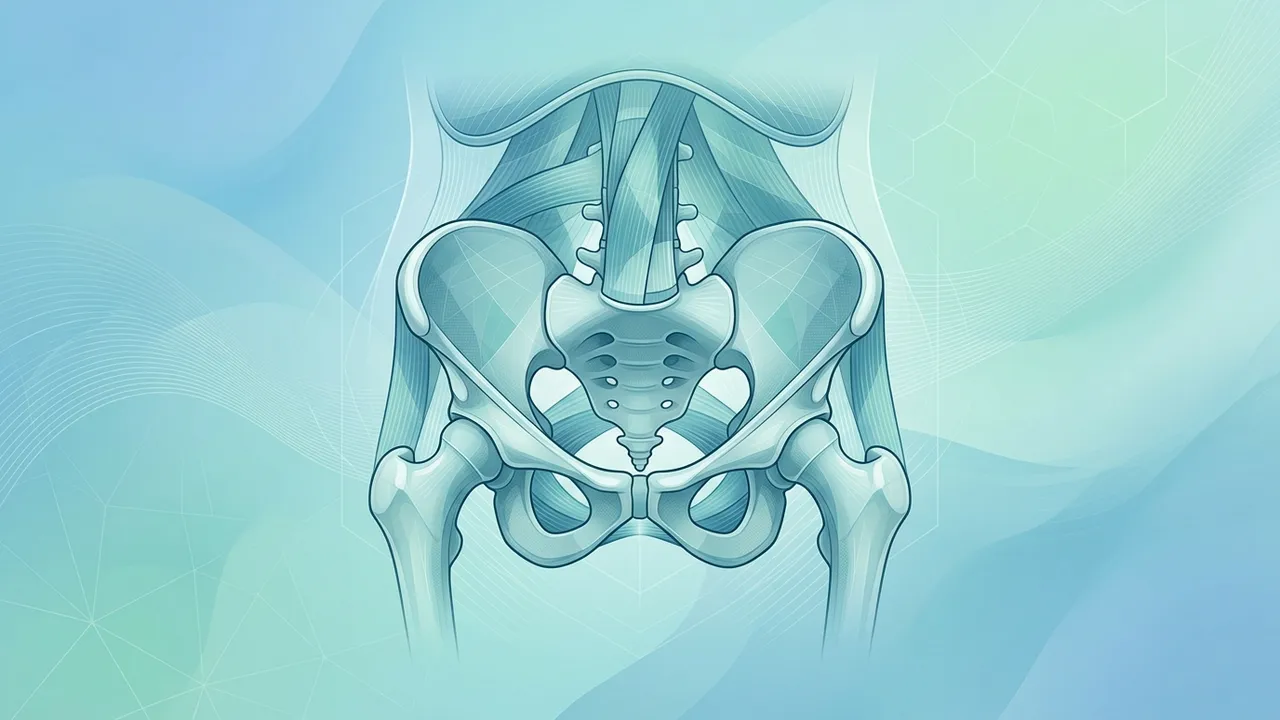
We know that visualisation is an amazing learning tool. Picturing a concept or an idea can allow the brain to interpret or reinforce new ideas being learned. Seeing muscles and joints in the body can help you to understand the workings better. It may even have you feel the muscles working better if you can picture them activating. This can be very much so in the deep ‘core muscles’ of the lower trunk and pelvis.

This illustration above may assist you in getting your head around the muscles we are always talking about in your Fix Program classes. These muscles form a part of your body’s postural control system as you go about your day. The very same deep muscles that stop your bones from falling to bits and the cause of our many aches and pains!

In our Pilates classes, you will hear us repetitively saying:

“Breathe in deep and wide, and as you exhale, imagine gently lifting your pelvic floor ( feeling your’ pebble lift from the pond’) and become aware of the front hip bones drawing towards each other”

The ‘cylinder’ of lower trunk support

When looking at the picture above more carefully, and if using your imagination a little, you will see that the 4 sets of muscles make a cylinder-like shape. After looking at these muscles, try to picture a basic cylinder in your mind. Now place the diaphragm on top of your cylinder, the pelvic floor muscular sling on the bottom, and wrap the transverses abdominus ( deepest of the abs) around the rest. This cylinder fills the circumference of the lower half of your trunk, from the lower ribs to the base of the pelvis. Multifidis is another deep postural muscle that ‘laces up’ through the spinal vertebra and completes the picture.

Visualising this muscular cylinder can really help you to ‘find’ and activate your pelvic postural muscles better.

So, now that you can visualise your muscular cylinder, what comes next?

With the cylinder of muscles now pictured better in your brain, you may start to locate, contract and strengthen your ‘core’ even better than you thought. Why not try connecting your cylinder picture with the instructions you hear at class.

  • Breathe in deep and wide”

When looking at the diaphragm sitting at the top of cylinder under your lower rib cage, picture your diaphragm descending downward slightly into your cylinder as you breathe in ‘deep and wide.’ As you exhale the diaphragm moves upwards to its starting position.

  • “As you exhale, lift you pelvic floor as you’d imagine a pebble lifting from a pond”

When picturing the diaphragm ascending as you exhale, you may see now that this creates a vacuum within the cylinder. This region of less pressure makes it easy now for your pelvic floor at the bottom of your cylinder to lift. Do you now understand why we lift the pelvic floor as we exhale? The pelvic floor and diaphragm have a direct relationship with each other. As the diaphragm ascends, so does the pelvic floor. Likewise, as the diaphragm descends as you inhale, so does the pelvic floor. This is the natural pelvic floor-diaphragm rhythm.

  • “Imagine your hip bones drawing together as your deep abdominal activates”

The pelvic floor, transversus abdominus and diaphragm muscles are all interconnected through nerve and fascial (thin tissue between muscles and organs) networks. Muscles connected in this way will contract together and relax together. So, let’s now imagine the circular component of your cylinder.

While your diaphragm and pelvic floor ascend together on your exhale breath, the deep abdominal will slightly draw in, as if tightening a belt gently around the lower cylinder. This apparent tightening will be felt the full circumference of the cylinder in those very aware of their bodies, even around the sides of the waists and in towards the lower back. For others, the feeling will seem heightened at the front of the pelvis between the ‘hip bones’. The slight drawing in of the cylinder can almost have you believe these ‘hip bones’ are being gently pulled towards each other.

Putting it all together

This muscular cylinder is only the beginning of wonderful postural support for your pelvis, spine and body. These muscles work subtlely throughout your day, gently holding your spine and pelvis aligned. For maximum benefit, these muscles need to be trained ‘functionally.’ This means whilst doing other things such as moving, bending, lifting, twisting, walking, running, jumping and even sitting at your desk. There are other muscles all involved here too from upper back and shoulder muscles to spinal muscles, hip muscles and leg muscles, both deep and superficial layers.

So when involved in any of these activities above (which pretty much means all of the time when awake and conscious!), can you imagine your deep muscular cylinder at work? Sitting in there within your pelvis and lower trunk with the involved muscles on each surface all acting in a connected way?

Try it and you may be surprised at your postural alignment, endurance and movement freedom and efficiency.


23 Feb 2016 BY Heba Shaheed POSTED IN Back Pain, Women's Health

EndoMarch

March is the month to raise awareness on endometriosis

Endometriosis pain

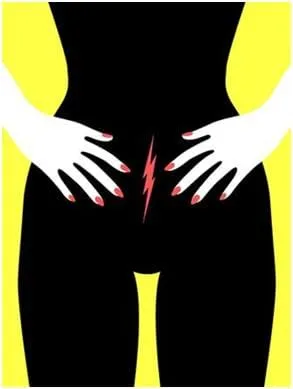
With Endometriosis Awareness Month in March coming up I thought it was timely to post to The Fix Program blog about how hands on therapy such as women’s health physiotherapy can go a long way in helping endometriosis sufferers recover. Endometriosis is characterised by pain - period pain, abdominal & pelvic pain, pain with urination and with bowel movements, and pain with sex.

When women and younger girls suffer from endometriosis, they often spend a lot of time curled up in bed during period times, and often outside of period time too. All of those cramps, spasms, inflammation and pain make the tissues in the abdominal, pelvic and back area really tight. There is also a build up of scar tissue from the endometriosis or from the surgeries to remove endometriosis. This tightness in the muscles and connective tissue (fascia) in the area can then cause further pain. The pain cycle begins, going round and round in a vicious circle of increasing pain, tightness and inflammation.

I didn’t realise that physios can help with endometriosis.

Physios are thought to only treat sports injuries or back pain. Little is known in the general arena of medicine and the general public about the wonderful role women’s health specialised physiotherapists can play in changing these women’s lives.

I’m a big fan of manual therapy and myofascial massage in this area to release scar tissue, adhesions, spasms, fascial and muscle tightness, and to restore the correct alignment of the bones, soft tissues and the pelvic and abdominal organs.

Sometimes the pelvic bones and joints are not in a neutral or appropriate alignment and this can further affect the muscles and fascia in the lower back, pelvic and hip regions. This can usually happen after surgery as often the endometriosis or scar tissue can be more one-sided within the pelvic organs. When surgery is done to remove this, one side of the pelvic tissues can scar and tighten up more and pull the joints out of alignment.

At The Fix Program we treat pelvic dysfunctions such as is seen with endometriosis with myofascial massage, muscle energy techniques and exercise to restore the pelvis, hip and spine joints back to a good neutral alignment. Often women with endometriosis have been told they have sacro-iliac joint dysfunctions in the pelvic joints, so an integrative approach of external and internal physiotherapy techniques is important for optimal results.

Endometriosis severely impacts the pelvic floor, and more often than not, women who suffer from endometriosis also suffer from a hypertonic, overactive or tight pelvic floor. If the pelvic floor muscles and fascia are tight, then they are often also very painful, leading to pain with sex. They can also make period pain worse because when the uterus contracts to expel blood, the pelvic floor muscle and fascia system will be contracting too (it’s like trying to walk with a sprained ankle). This is why a lot of women with period pain also experience vaginal pain during their periods.

What can I expect after seeing a women’s health physiotherapist for me endometriosis?

Almost every woman who walks into The Fix Program with endometriosis often has tightness or trigger points in her pelvic floor muscles, so a lot of the treatment she would have would involve internal vaginal muscle releases. Within 3 months of treatment internally and externally ( the outer muscles of the hip, buttocks, spine and abdomen), she will report less pelvic and sexual pain, better bladder and bowel control, regular bowel emptying, better digestion, and best of all, less period pain.

Periods can also become shorter, more regular, with less spotting before and after periods. Part of the reason for this is because the uterus is now aligned ‘neutrally’ from all the muscle and fascial release work around it, rather than tipping forwards or sideways. If the uterus isn’t positioned ‘neutral’ or well within the pelvis, blood can stay back in the curves rather than flowing straight down and stay there until the next period, when it comes out as dark spotting.

Next month, I will explore a nutritional approach for the management of endometriosis. In the meantime support endometriosis awareness by attending events held by Endometriosis Australia and Worldwide EndoMarch.

http://www.endometriosisaustralia.org/

http://www.marchintoyellow.org.au/

http://www.endomarchaustralia.com.au/

http://www.luminosity.org.au/


23 Feb 2016 BY Jaclyn Thurley POSTED IN Exercise, Physiotherapy

Top tips for Running!

How to improve your technique and minimise niggly injuries


Running is a great form of aerobic activity and a fantastic stress reliever! There is nothing better than the post-run rush of endorphins. There is just something about strapping up those laces, running of into the distance, surrounding yourself with nature that creates a sense of deep serenity. Although running is a great way to keep fit and an amazing stress reliever, it can often be hard on the body and lead to niggly injuries.

However by optimizing your running technique your can easily minimize your risk of injury. Minimizing injuries may not be a major concern for you, you may instead want to improve your running technique to improve your running efficiency and thus become a speedy Gonzales!

There are many, many things you need to know to improve your running technique, so this blog will be a three part series.

In the first part of this series we will run through (pardon the pun) posture tips, taking you from head to toe.

Postural cues for running

Reading on, you may feel a little overwhelmed with all the suggested changes, especially when you are feeling rather pooped or chugging it up the hill. It’s just enough to think to breathe or to not stop! When you are out on your next run I want you to implement one of the below posture tips. JUST ONE! With each run you go on after, try to add an extra posture tip until you have your posture sorted from head to toe!

Now let’s get started.

  • Head and neck

Imagine there is a little hook at the base of your skull, off that hook is a little piece of string that is being gently pulled towards to sky. This pull creates a beautiful length through the back of your neck and a subtle chin tuck. This will allow for the correct postural muscles in your neck to work with balance, rather than all the tension runners can feel across the back of the neck. Try to relax your jaw too. And don’t forget the tongue in your mouth. I have seen the best of runners finishing their race with a soft opened and almost floppy jaw.

When you feel your breathing is laboured, be more aware of these cues. A tense breathing pattern will not only add tension to the upper back and neck region, but will also inhibit an effective deeper breath with your diaphragm.

  • Shoulders

Create an open ‘smile’ at the front of the chest, by gently lifting the chest and bringing your shoulder blades up and back into their ‘top back pockets’. This will open the front of your trunk for better diaphragm breathing patterns, and support the posture of your shoulders, neck and upper back with better efficiency.

  • Arms

Arms should be relaxed with elbows bent to 90 degrees and swinging freely forward and back but not across the body. As your arms swing a subtle and controlled twist through the waist is generated. I have read of coaches suggesting to ‘brush your thumbs along the waist band of your running shorts/tights’.

Hold your hands in a loose fist, imagining you are holding two baby birds.

  • Lower back and pelvis

Finding and maintaining a ‘neutral’ spine and pelvis during running is crucial. There should be a small curve (but not exaggerated) in your lower back and the boney bits at the front and the back of the pelvis should be level. Talk to your physio if you are unsure how to find your neutral spine and pelvis. The neutral pelvis will act as a beautiful foundation for your spine, aligning all joints and encouraging muscles to work well to support your lower trunk region. The neutral pelvis will also have your buttock muscles and hips working better. Better control for each foot fall, better power for pushing off and safer biomechanics to the knees and feet. What a win all round!

Anterior pelvic tilt. This is an example of a pelvis that is excessively tilted forward. The boney at the front of the pelvis sit lower than the bones at the back of pelvis creating an excessive low back curve. Not ideal at all.

Posterior pelvic tilt. This is an example of pelvis that is tilted backwards, causing the bones at the front of the pelvis to sit higher than the bones at the back of the pelvis creating a flat low back. This encourages incorrect activation of both the abdominal and deep buttock muscles. Not ideal at all!

Neutral pelvis. This picture is an example of a neutral pelvis where the bones at the front and the bones at the back of the pelvis and nicely level creating a subtle low back curve. This is the ideal zone to aim to hold your pelvis as you run as it allows for postural control, movement efficiency and great alignment of both the back and the hips.

Now for the most important bit!

  • Forward lean of the body over the hips

It is very important when running to have a slight forward lean of the body. This comes about by bringing your body forward over the hips, so that from a side view you head, shoulders and chest are slightly in front of the hips. Coaches again may say “imagine your breastbone sitting just in front of the pubic bone”.

Runners often go wrong by holding themselves extremely upright with their head and shoulders tacked directly on top of their pelvis or even behind it. This can lead to a heavy heel-strike that lands in front of the body, creating harsh ground reaction forces that propel the body backwards and upwards, which is a waste of energy and an injury waiting to happen!

This picture above is an example of a heel strike in front of the body, with the trunk excessively upright and the pelvis tilted forward. Note how the foot is out in front of the hip area, increasing the stresses through the whole leg with each foot fall. This is not ideal.

If you achieve a slight forward lean from the hips you are more likely to achieve a mid-foot strike underneath or behind the body. Achieving a mid-foot strike improves the body’s ability to absorb and recoil ground reactions forces and achieving this foot strike underneath or behind the body will in turn propel the body forward, improving your speed!

This picture is attempting to re-enact a forward lean and a mid-foot strike that land underneath or even behind the body (we have exaggerated the forward lean for understanding). Note how the foot now falls under the hip, better absorbing the ground reaction forces of each foot fall. This is ideal in preventing injury and improving running efficiency.   

  • Feet

Another thing to think about in regards to your feet is how wide or narrow your feet land. I want you to imagine you have a line on the ground directly under the middle of your body. You want your feet to land either side of the line. Therefore, you do not want to run with your feet too wide nor do you want to run with you feet crisscrossing over each other and over that imaginary line.

Well that takes you from head to toe, its time to wrap things up!

If you want to check your running technique with your Fix Program physiotherapist, here’s what to do:

  • Find a treadmill, a friend and smart phone – Ask your friend to take a video of your running on a treadmill with your smartphone
  • It is best to have spine and pelvis somewhat exposed, so for males it is best to take the video will your top removed and for female it is best if you tuck your top up into your bra
  • Another helpful tip is to find the little boney bits at the back of the pelvis and use a pen or marker to draw large circle over each boney divot. This is to keep an eye on your pelvis whilst you run
  • Run for at least 2mins to warm up and get into your running groove
  • Get your friend to take a 30 second video of your from behind, and then a 30 second video of you from the side. Make sure the video can clearly see your whole body from head to toe, including where your foot is landing on the treadmill
  • Then book a consult with your Fix Physiotherapist and bring in your video for analyze and personalized posture and running tips.

7 Jan 2016 BY Katrina Tarrant POSTED IN Exercise

Beat the rainy blues with exercise

Is there some truth to feeling moody on wet days?

With all of this rain about the past few days, I’ve personally started feeling a little low. Why is that? Is it the obvious that I just prefer sunshine? Is it that I should be on the beach and feel frustrated that I’m not? Perhaps I simply hate feeling cooped up at home? Or is there actually a physiological explanation for my feeling blue? This got me reading and researching the web on a morning where there was little else to do.

So apparently, day to day weather changes have very little effect on our moods. A 2008 study conducted by Jaap Denissen about the effects of weather on daily mood found that weather fluctuations accounted for very little variance in people’s day-to-day mood. This was a surprising discovery since there are so many observable changes in human behaviour associated with our changes in weather.

This research did show that there was an association between the amounts of sunlight and feeling fatigued. The less sunlight people were exposed to, the more they exhibited depression-like symptoms. The study concluded that in the winter season of the northern hemisphere, as days got shorter, people experienced more feelings of reported fatigue during the day, and also craved more carb-rich foods.

OK, so these past 3 days of wet weather in Sydney town are not really comparable to the northern winters of this study, but perhaps there’s something in there about darker, sunless rainy days?

Another cool study that I found was one from 2013 which looked at aggression and the climate. It found that the more it rained (especially in areas where high rainfall is not expected), the more aggressive people seemed to get. This was also true for higher temperatures. We apparently are all more placated when things are moderate and dry!

In my gloomy-mooded, wet weather internet trawl this morning, one final research paper which interested me and probably gives the best explanation (in my opinion) was a Dutch psychologist’s study of 2011. Klimstra, the author, stated that the impact of weather may really depend on your personality type! Sounds simple and plausible. He grouped his subjects into the 4 ‘weather personality’ types – summer lovers, summer haters, rain haters and those unaffected by weather.

Guess that makes me a ‘rain hater’! (If you’re interested, his definition of a rain hater was one who was “angrier and less happy on days with more precipitation. By comparison, more happy, but less angry, on days with more sunshine and higher temperatures.”)

Defines me perfectly, well today anyway!

The best way to beat low mood

It has been well documented that exercise can alleviate the symptoms of low mood and in low depressive disorders. We can make inferences from these well documented positive effects on our temporary low moods such as with the weather. Beats the opposite –feeling sorry and eating lots of the wrong foods! Haven’t we all been there?

The Beyond Blue initiative on depression states:

Keeping active can help a person stay physically fit and mentally healthy. Research shows that keeping active can:

• help lift mood

• help people get a good night’s sleep

• increase energy levels

• help block negative thoughts and/or distract people from daily worries

• help people feel less alone if they exercise or socialise with others

• increase well-being.’

So in all this rain, get to your gym, to your Fix class, or pop down a mat on the floor at home and exercise! Not only will it kill an hour or more, but it will distract you from that awful rain outside, increase your energy levels, and your feelings of happiness! Get those endorphins pumping.

And what the heck, why not take it to the next level and go out for a walk or run in the rain and pretend you’re 6 years old again!


19 Dec 2015 BY Katrina Tarrant POSTED IN Back Pain, Physiotherapy

Yes, Sitting is Really Bad for You

Some of you may have seen this last week in the Sydney Morning Herald. This newspaper article highlights the effect on our bodies of sitting- scary stuff that effects not only our physical wellbeing, but also our physiological and overall mortality. I have found personally from working with injured workers, that there is a trend in newer offices to incorporate a communal standing work station or two for all to share and utilise throughout the day. This is a great idea and at least a step in the right direction to minimise the detrimental effects of our increasingly sedentary lifestyles. 

Perhaps you will now think twice about those hours sat in front of the TV at the end of your work days.

http://www.smh.com.au/executive-style/management/beware-of-the-chair-20100303-pj4g.html

Thanks to Lou H for the link.


3 Dec 2015 BY Katrina Tarrant POSTED IN Back Pain, Physiotherapy

What is muscle imbalance?

If you have been to a physio with an injury, you would have possibly heard that your ‘muscles are imbalanced’. This imbalance was probably explained to be the cause of the pain you were having- whether it be postural pain, muscular injuries such as a strain or tendonitis, or joint irritation.

So what does this actually mean?

Let’s start by looking at the reasons for pain.

Musculoskeletal pain (ie pain from muscles and joints) occurs in the presence of any nor or a combination of the following issues:

  • Poor or abnormal joint biomechanics, altering the ideal way in which the body’s joint, postures and muscles are to work
  • Abnormal loads trough the tissues (muscles, tendons, ligaments, fascia and the joints), causing them to become fatigued or irritated
  • Abnormal movement patterns, again loading up some structures of your body more than others, causing them to become sore
  • Altered and non ideal muscle activation patterns, again altering the best way we move or hold ourselves

So, how does any of this start?

When you look at a child who is free of pain, and watch them move as they play or sit as they eat, and they have the most stunning poise and posture. They way they move is uninhibited and as it should be. Their posture is held with balance across all of the muscles that need to work to hold their little bodies up. They have not yet been affected by positions of sitting all day like we adults, or sedentary lifestyle or bad postural habits.

You could say that their muscles are ‘balanced.’

As we become accustomed to new ‘learned’ postures that are not ideal, muscles begin to work in altered ways. These slow insidious changes to our body become the new way we hold ourselves- the new habits. Some muscles will begin to work harder or have increased tone and others will become weaker.

You could say that muscles become ‘imbalanced’.

What is muscle tone?

Muscles have a normal state of tension, even at rest. The muscles continuously ‘buzz away’ with a message from the nerves that innervate them. So in reality, the resting state of a muscle still has low activation going on. This tone of muscles is necessary to protect them from sudden injury form stretching, or to help maintain normal posture and support around the joints of the body.

Putting it all together.

The tone of each muscle around each and every joint of the body needs to be balanced for the alignment and movement of the joint to be optimal. In poor posture, in injury, in compensated or adapted movements, this becomes out of whack. Some muscles become spasmed or tight (you could say in ‘high tone’ or ‘over-active’), while other muscles nearby become weak or not activated (you could say in ‘low tone’ or ‘under-active’).

This ‘imbalance’ and can pull a joint into poorer alignment and encourage further weaknesses, less support for the joint, altered movement, stresses, loads and pain.

You could imagine that the tightrope walker with the beautifully balanced pole is your painfree joint with the balance of muscles about all right. He remains centred, balanced, performing at his best.

In the same way, you could imagine the tightrope walker without the balanced pole, with too much pole length pulling him one way and not enough length from the other side to pull him back. This is the painful joint or posture with an imbalanced muscle system supporting it, all overloaded, stressed and painful.

You need your physio

This is where your physio can help you out. They can teach you about restoring the correct muscular balance and muscle tone around your painful joints and postures. You will need to learn to turn off those over active muscles and learn to find and strengthen your underactive ones. You can then achieve that perfect postural support, joint alignment and movement perfection.


Abdominal Separation after baby

The zipper front – the best visual cue for the lower belly I have heard!


Abdominal separation or Rectus Diastasis (RD) is a common and necessary part of carrying a baby and being a new mum. It affects 66% of women.

RD is the wonderful pregnant body’s way of getting your abdominal muscles around your growing belly by separating down the middle. This is not a complete separating away, but more a stretching of the thin tissue of connective tissue or fascia called the linea alba that gives our abdominal muscle that vertical line in the ‘six pack’. Picture those men’s fitness magazine cover boys – the dividing up of the abs into those ‘packs’. RD is necessary but if the separation of your belly muscle is too great (they say, greater than 3 fingers wide), there can be knock on effects to the region. These can include:

  • Poor abdominal activation and imbalance about the deep corset abdominals (‘the core’)
  • Inability to breathe well with the diaphragm, our best breathing muscle and also a big part of our postural ‘core’ control
  • Poor pelvic floor function such as incontinence, urgency, and also the pelvic floor’s important role in our posture
  • Lower back, pelvic or hip pain and/or poor movement
  • Poor aesthetics – a jelly belly and lower abdominal protruding outward, forcing us to suck in our bellies ( to look better) and create another bag of problems about the region.

Back in January 2014, I wrote about 6 top tips in protecting abdominal separation. Recently I stumbled across the teachings and blog from a women’s health physio from the US named Julie Wiebe. I love this woman! She is a passionate physio doing amazing stuff assisting women about the world in ante natal, post natal and pelvic floor troubles.

Among many things (of which I am sure you will hear from me in fixnews letters to come), she had the most wonderfully simple analogy for the separated belly- the open fly or zipper.

She says:

I like to think of a diastasis (ie belly separation) that has resisted closure like an open zipper. An open fly affects more that just the zipper, it strains the button above, it messes with the fit of the pants, exposes things not supposed to be exposed.

What you do with the abdomen in a short prescribed exercise session a few times a day cannot beat 16-18 hours a day of standing, sitting and moving in lousy alignment that separates the midline all day. If your alignment keeps your fly open all day, then all your movements and daily exertions, like lifting little ones, will reinforce keeping it open. Same goes for fitness. The alignment you do fitness in is critical to approximating the abdomen and connective tissue to encourage closure.

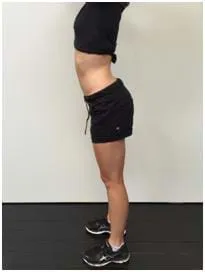
What a perfect picture. If you stand, sit or exercise all day with bottom tucked under, hips pushed forward and slumped like the illustration below, your fly zipper will always gape open.

This will never allow for the connective tissue of the linea alba in your belly to come together, always being pulled apart like the open zip. Instead, stand tall with your waists gently lengthened and your ribs stacked beautifully over your neutral level pelvis. You could now picture that your fly will be drawn together, even if you did forget to do it up after that dash to the loo while managing your crying little one in the pram. Aim for this posture as much as you can, and your belly separation will be encouraged to come together. Even more, your diaphragm, your belly muscles, your pelvic floor and your spine will start to work more as it should, becoming stronger and more supportive.

Ab separation will never start to correct in that first year after baby if we are always in a poor posture for most of our days ( The ultimate goal that you want to achieve is a balanced well working system of deep belly, outer belly, pelvic floor, diaphragm and butt muscles). And as Julie has said, with all great intentions at working on this in your gym or Pilates classes, nothing works better than thinking of your posture and the closed zipper for best outcome. Easy. 

So when standing, sitting, feeding, carry baby, pushing prams, at the gym ( after 4 months post baby girls!), cleaning the house, driving the car… remember your belly as the zipper!

Love it!

Why not check out Julie’s website and blog at

http://www.juliewiebept.com/


25 Nov 2015 BY Katrina Tarrant POSTED IN Pilates, Sydney CBD

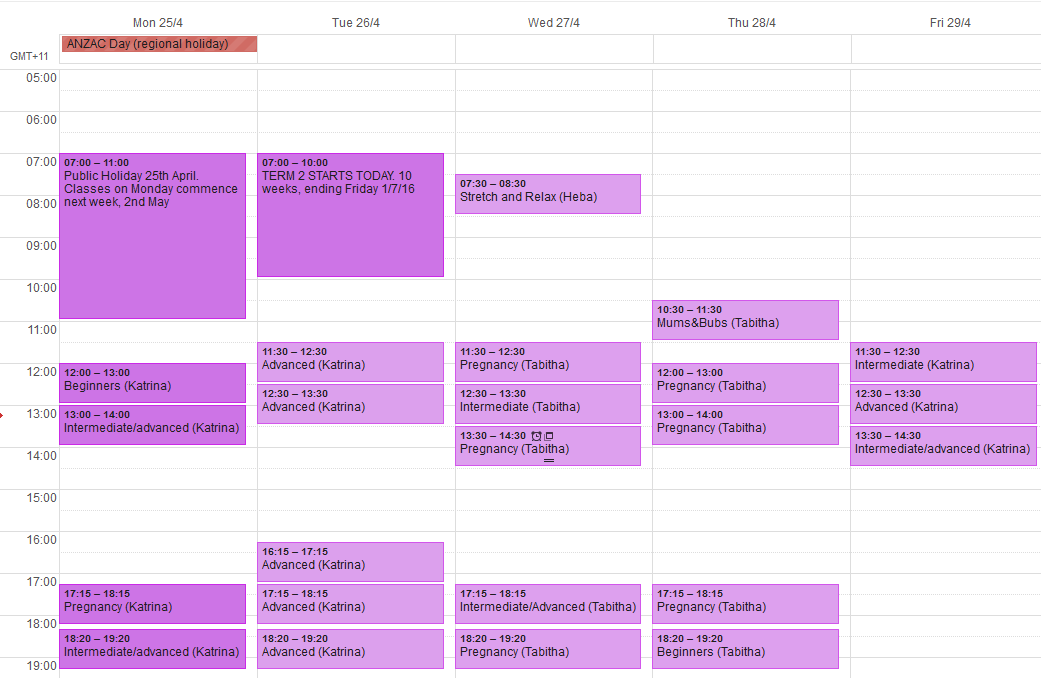
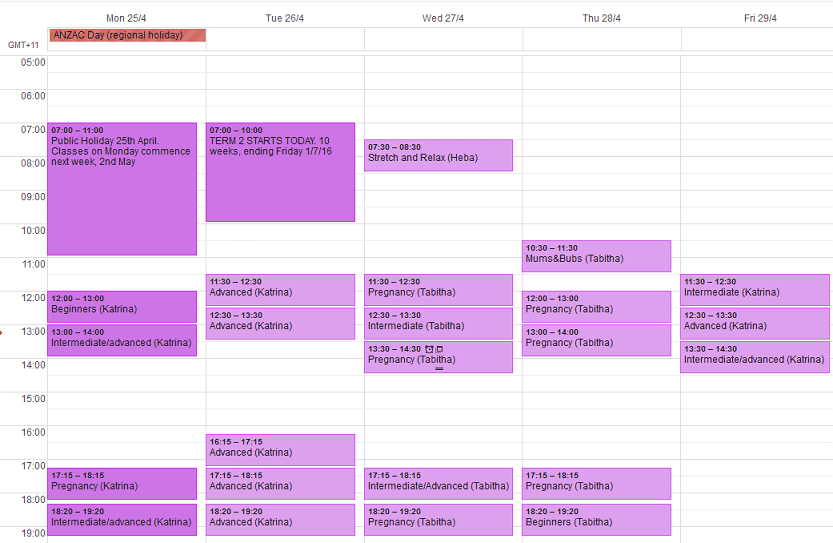
Draft Pilates Timetable Term 1 2016


25 Nov 2015 BY Katrina Tarrant POSTED IN Women's Health

The 2015 women’s health and fitness summit

Heba wows her audience on speaking about the troubles with a tight pelvic floor

health and fitness summit

This summit held September in Melbourne is an annual gathering for all those interested in women’s health, fitness, and nutrition, in whatever capacity. It brings together world-renowned speakers and presenters from all areas of these industries, to inform and inspire.

Heba submitted a proposal with many to speak at The Platform, a program that the summit encourages to discover and nurture new presenters in the arena of women’s health. And amongst the incredible response, Heba was invited to speak about overactive (tight) pelvic floor muscles. She was one of only 4 winners to present. Knowing that this is her true passion, it did not surprise us that she was asked to speak.

You can watch this very presentation on youtube. It runs for 20 minutes or so and worth every minute. Heba speaks using such wonderful and simple examples. Things really make sense and to be honest, I bet all of us watching start to think that she could be speaking about bladder and pelvic floor habits of our own or our friends/mothers/wives.

Pelvic floor over- activity, tightness and spasm can be a very common problem with both men and women’s pelvic floor muscles. Perhaps some of these common signs of the tight pelvic floor could be you or someone you know?

  • Urinary urgency. Each and every time the minute the keys are in your front door, do you need to urgently wee? Do you sometimes not even reach the loo in time and have an accident?
  • High frequency need to urinate. Do you need to get up several times per night to wee? This is common but not considered normal.
  • Bowel troubles such as anal fissures, constipation and pain on voiding. Do you have issues that could tell you that your pelvic floor is too tight when on the loo for ‘number two’?
  • Painful sex. Is penetrative sex painful, either at the surface or deep within? Is there a deep pelvic ache after you have sex?
  • Do you suffer from pain about the hip, pelvis and spine? Perhaps you have pain around the tailbone or pubic bones, hip or referred down the front of your upper thigh?

If so, did you know that women’s health physiotherapists are at the forefront of being able to manage and treat these problems? Teaching how to ‘let go’ or ‘turn down’ the pelvic floor muscle tension is the goal here to allow for a more normal tension in this region and allowing for better sexual, bladder and bowel function. A variety of treatment techniques can be called upon, including any of:

  • Internal massage (vaginal) and trigger point release work of the pelvic floor muscles
  • Relaxation techniques and stretches about the hips, pelvis and nerve pathways in the region
  • Outer massage, bony realignment and muscle retraining and strengthening of the pelvis, back, hips and upper legs. Restoring a better muscular balance of muscles working together around the pelvis needs to be assessed and addressed for a good long term change to the issues associated with the tight pelvic floor. After all, what was it in the first place that made these pelvic floor muscles tighten and become problematic?
  • Exercise advise. Did you know for these women and men, training hard at the gym, doing too much Pilates and pelvic floor Kegel type exercises will actually make their pain and pelvic floor symptoms worse? Strengthening an already tight and spasmed pelvic floor will make the tension only increase and pain and symptoms worsen. This can be said for any muscle in your body.

Most women (and men) would put up with these types of problems. I guess it is because mostly we assume nothing can be done for this sort of pain. GPs are sometimes at a loss when all other urine tests, blood tests, swabs and scans have been done and appear normal.

Watch Heba’s speech and we hope that this can inspire you to speak openly with your friends and doctors about the problems seen with the tight pelvic floor.

Go Heba!


24 Nov 2015 BY Katrina Tarrant POSTED IN Pilates, Sydney CBD

Draft Pilates Timetable Summer School 2016

Draft timetable for our summer school 2016 pregnancy pilates and pilates classes in our sydney cbd studio 


Fix News