
The Fix Program Blog

14 Jun 2015 BY Katrina Tarrant POSTED IN Pilates, Sydney CBD

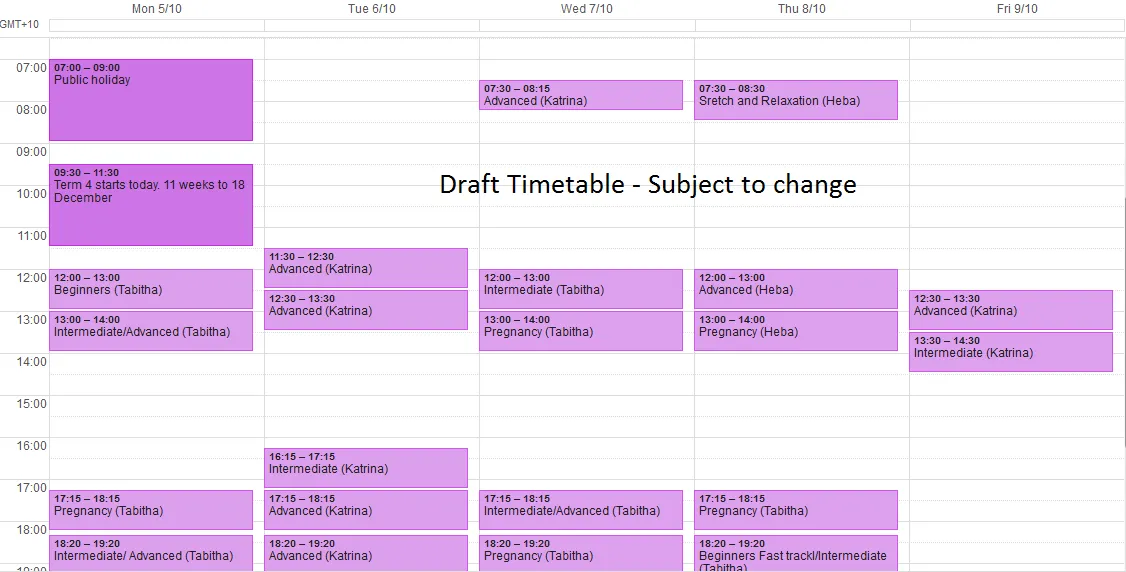
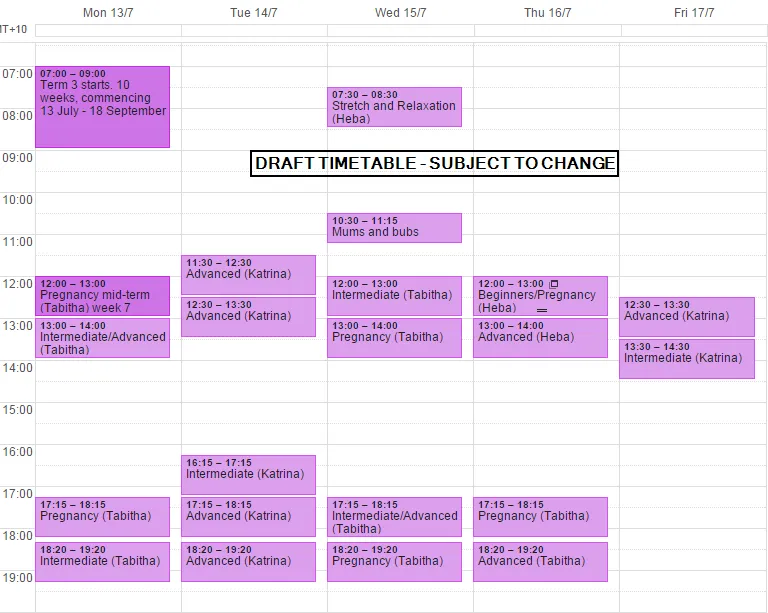
Draft Pilates Timetable Term 3 2015


12 Jun 2015 BY Katrina Tarrant POSTED IN Exercise, Physiotherapy

The hip flexor muscles

Picturing the front hip muscles


Visual pictures can really help with locating the tricky and deep tissues in our body that we cannot see. This is especially so for our recent work in our Pilates classes on the front hip strength and stability.

“Imagine standing on eggshells and your thigh sinking back into your hip.”

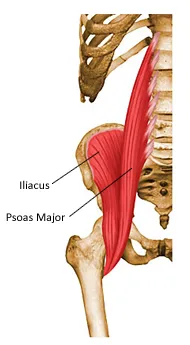
This is the instruction to help you to activate the deep front hip muscle called ‘iliacus’. You can see this muscle in the image. Iliacus is a part of the hip flexor muscles – the ones that lift your leg up in front of you as with walking or lifting each leg to walk up stairs. Psoas major is another of these, and is the stronger of the 2.

Iliacus has a more important role and that is to hold the top of your leg bone or femur securely in the hip socket. Iliacus should do this as the bigger muscle ‘movers’ go about moving your leg about. It is one of the muscles giving that ball and socket joint a lovely tight fit.

By looking more at the iliacus muscle in this picture, you can almost imagine that as it contracts or shortens (as a muscle does when it activates), it will suck the leg bone up into the pelvis better.

And hence our postural cue above!

So when we do our squats, lunges, and mat work, picture your iliacus gently drawing your femur into your pelvis for a happier and healthier hip. And remember that sometimes we will not feel much happening at all, and quite often this is the goal.

Subtle, subtle! Less is more.


Lorimer’s Pain Quiz

Do you really know how pain works in your body?

So we have all been in pain from time to time or perhaps more frequently than we’d like. Does this make us an expert on pain? Lorimer Mosely has a post-doctorate in pain and was also a physio in days gone by. He has adapted a pain quiz to test us on our knowledge on all things nerves, brains and pain. Test yourself on this extract from his quiz. I’ve reworded some questions to make them easier to understand, but if you’d like the full quiz, let me know.

Answer true or false to these statements.

  1. Pain only occurs when you are injured.
  2. The intensity of pain matches the severity of the injury.
  3. Nerves in the periphery of your body (the limbs) can adapt by becoming more excitable.
  4. Chronic pain means the injury has not healed properly.
  5. The body tells the brain when it is in pain.
  6. The pain you feel is the same pain as your grandparents felt.
  7. In chronic pain, the brain becomes more sensitive to danger messages from your muscles and joints.
  8. The immune system has nothing to do with a pain experience.
  9. The brain decides when you will experience pain.
  10. Stress can make your nerves fire.
  11. Your internal pain control system is stronger than any drug taken.
  12. Chronic pain is more common in wealthier countries of the world.

Did you write down all of your answers? You can check the answers below.

Pain is an amazing thing and we are still unravelling its complexity in our bodies, brains, psychology and biology. Modern scanning has allowed for a real window into the brain and our understanding has grown in the past decade. So much so that this understanding has given us as health professionals the ability to educate our patients about the pain they are in. And on top of that, the research demonstrates that through knowing and understanding pain, pain can actually be diminished in individuals from this alone! Incredible. 

If this interests you, there are a few amazing books about for suggested reading. Why not try Explain Pain ( Lorimer Mosely, David Butler) for a fresh view on the physiology of pain, or The Brain That Changes Itself (Norman Doidge) for wonderful tales about the brain’s ability to change, called neuroplasticity.

Know pain, no pain.

Quiz answers:

1.F 2.F 3.T 4.F 5.F 6.F 7.T 8.F 9.T 10.T 11.T 12.T


2 Jun 2015 BY Katrina Tarrant POSTED IN Pregnancy, Women's Health

Women and World Continence Week

Bladder leakage, no matter how light, is not normal

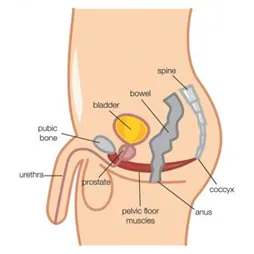
Although embarrassing, bladder and bowel troubles are common, affecting 1 in 4 people in Australia. Although common, it is not normal to be suffering from these troubles. Pregnancy, the post natal period and menopause are the times we women may experience leaky bladders and other issues ‘down there’.

We need to start talking more openly about this topic - with family, girlfriends, doctors and women’s health physios. If you are at all worried, your GP or even your Fix physio would be a great place to start.

When researching for this blog post with my circle of friends and colleagues, I found an alarming trend. One I had not thought of working within the health industry, as to me, any troubles ‘down there’ would mean immediate attention and appropriate management. Perhaps obvious to me and other physios, but not to all those other women out there.

It seemed that if there were stories and admissions of leaking (or other pelvic floor issues) within a circle of girlfriends or mother groups, there seemed to be an acceptance that this was normal. On a positive note, it is wonderful to hear that at least the conversation had started, however, on a negative note, hearing that as a group, bladder troubles were considered a normal part of being a woman, is very disheartening.

Bladder or bowel control issues can be treated, managed and even cured with the help of a pelvic floor physiotherapist. It will not get better on its own, and it needs specific pelvic floor exercises, and changes and improvements to your toilet habits

There is help at hand.

Here are some important facts

  • Leaking is NOT a natural part of childbirth, ageing, or being a woman.

  • Bladder or bowel control issues do NOT get better on their own.

  • Incontinence CAN be treated, managed and even cured with the help of a pelvic floor physiotherapist.

  • Many women lose control during pregnancy or after childbirth and that sets them up for a lifetime of issues, which can be worse after menopause.

  • Sometimes the issue is not only muscle weakness. Prolapse, or sagging of the bladder, uterus or bowel could be the cause and a support device called a pessary can give immediate relief.

This all sound a little bleak, doesn’t it? It may, but don’t put up with it. Tell someone who cares and seek treatment. Heba and Tabitha are here at The Fix Program to help. You may not be aware, but they have had extensive post grad training in pelvic floor conditions unique to women.


17 Apr 2015 BY Heba Shaheed POSTED IN Women's Health

Painful sex in women

Vaginismus 

Whilst most women enjoy sex, there are some women who find sex painful and still others who are unable to even have sex at all. One of the main conditions that this occurs in is vaginismus.

Vaginismus is an involuntary tightening of the pelvic floor muscles during attempted insertion of an object into the vagina. This could include penetration during intercourse or insertion of a tampon or speculum. When the muscles tighten, women can feel pain, which can range from a mild discomfort to severe pain that can be stinging, burning, tearing or aching.

Vaginismus is not something women have control over, and some women may be completely unaware that it is happening. In some women the muscles can become so tight, that it feels like the vagina is totally closed and penetration cannot occur. In others, the muscles allow for penetration, but the tightness of the muscles causes enough pain that intercourse must be stopped.

vaginal muscles

A woman can have primary vaginismus – which is associated with attempting to have sex for the first time, and being unable to. Women may feel like their partner bumps into a wall where the opening should be. This is the most common cause of unconsummated marriages.

Secondary vaginismus is when the tightness and inability to have intercourse occurs after a period of being able to enjoy sex. This can happen for a number of reasons including:

  • Yeast infections or recurrent urinary tract infections
  • After a difficult childbirth
  • Prolapse of your pelvic organs into the vaginal area
  • Menopause, due to hormonal changes, leading to vaginal dryness or atrophy
  • Abuse or trauma
  • Pelvic conditions such as endometriosis, cysts, tumours, lichen sclerosus
  • Anxiety or stress
  • Partner issues

Vaginismus can be treated by your women’s health physiotherapist, who will use a few different treatment techniques to help you have sex comfortably. For primary vaginismus, these include:

  • Vaginal desensitization
  • Pelvic floor muscle relaxation exercises
  • Internal muscle releases around the vagina and pelvic floor muscles
  • Vaginal trainers/dilators

In secondary vaginismus, more techniques may need to be employed in addition to the above treatments. Sometimes a referral to your GP or to a sex therapist or psychologist may be indicated, who will work alongside your women’s health physiotherapist. Treatment choices here include:

  • Scar tissue massage

  • Pessary for prolapse support

  • Discussion about vaginal oestrogen with your GP

  • Electrical stimulation

  • Hip and pelvic stretches

  • Complex management of pathology such as endometriosis including nutrition advice and visceral and fascial release of scar tissue and adhesions

Remember, with vaginismus, it is NOT all in your head. With an appropri

ate women’s health physiotherapy management plan, women can overcome vaginismus within a few months, and can go on to enjoy a normal sex life.

Call us if you are experiencing vaginismus. We can help.


17 Apr 2015 BY Tabitha POSTED IN Exercise, Physiotherapy, Pilates

Pilates for your neck

Pockets for your shoulder blades. A wonderful gift to your neck and upper back

shoulder blades 

Struggling with neck tension? A stiff upper back? Shoulder and arm pain? Headaches?

Have you ever asked yourself, “Are my shoulder blades in their pockets?” This trick will help you to hold your shoulder blades in the correct position, alleviating many common problems stemming from this area.

But what does this all mean?

Whether you are in our Fix Program Pilates classes or in physiotherapy treatment, we always emphasise that good pelvis position provides your lower back with a sturdy base. We know that poor pelvic stability and posture is regularly linked to back pain. At the other end of the spinal chain, there are many muscles criss-crossing your upper back and neck, many of them connecting to your shoulder blades. In fact, supporting the neck and shoulder girdles is their main function. In the same way as the pelvis, a well-situated pair of shoulder blades stabilises your shoulders, upper back, and neck by evenly distributing tension and stress across the area. If they are poorly positioned, they can make matters much worse.

 Let’s look closer at the important anatomy of the region

anatomy of shoulder

The shoulder blades (or scapulae) float around on top of your ribcage and some of the muscles that hold them in place are highlighted in the picture above.

The big neck muscles (trapezius) connect the neck, shoulder and upper back. If these muscles become tight from being overused ( such as too much PC work), they not only pull on your neck but also on the shoulder blade, which can cause a variety of knock-on effects in the other connected muscles. Your scapula can be pulled out of alignment ( such as sit too high or drop too low on your upper back) or be prevented from sitting flush against your body. This is the ‘winged’ look you see of some shoulder blades. 

How do I get these upper back muscles working in a balanced way about my shoulder blade?

Let’s try to set our blades in a good alignment together now.

  • Inhale and widen your shoulder blades across your upper back.
  • Exhale and lift the outer points of your shoulders slightly upwards, bringing your shoulders slightly backwards.
  • Imagine the lower tip of your shoulder blade gently sliding down your back and tucking into your latissimus dorsi (the purple muscle above), like a hand sliding into a jean pocket on your bum.
  • Once you feel them settle into their pockets, your shoulder blades will evenly distribute the stress and tension in your upper back and neck much better than before, so your neck will feel wonderfully free.

This is tricky to do well without the guidance of a physiotherapist, so feel free to ask one of us to check your technique. Less is definitely more – think tiny, subtle movements of the shoulder. Try setting your blades into this posture and holding it for 30 - 60seconds, ten times throughout your day; you’ll be surprised how much they jump out of their pockets when you’re not paying attention! The best time to do it is when you are using your arms. Why not try when:

  • you are sitting at your desk?
  • you are reading?
  • you are lifting groceries, laundry, bags, weights or children?
  • you are feeding your baby?
  • you are playing sport? during your golf swing, tennis serve, batting stroke.

I’m sure you get the idea. Try using red dots to remind you to reset your blades. You can read more about this at Exercises-to-break-poor-postural-habits

As you begin to hold your blades in their best possible position, your neck will begin to feel more free and soft, and your upper back more relaxed. But remember, be gentle as you slide your blades flatly into their muscular pockets and use them as they were intended – to support your entire upper body.


22 Mar 2015 BY Katrina Tarrant POSTED IN Pilates, Sydney CBD

Draft Pilates Timetable Term 2 2015


Late Cancellation Policy from March 2015

Cancellation Policy

At The Fix Program we aim to provide a professional service at a time that is most suitable to you. We also aim to have same day appointments available for urgent enquiries and all other appointments available within 1 week of your enquiry.

Unfortunately, we are experiencing a large number of last minute cancellations and clients not attending their allocated appointment times.  This is having a major impact on our waiting list and can negatively affect treatment progress.

What we are doing about it

Reminder emails 24 hours prior to appointments are a proactive approach on our behalf. This gives our patients the time to contact us via email or phone to cancel and shift appointment times.

So that we can continue to provide a timely service, Fix is now implementing a CANCELLATION AND FAILURE TO ATTEND POLICY.

Effective from Monday 16th March 2015 the cancellation policy will apply if:

  • You cancel your allocated appointment time with less than 24 hours notice; or

  • You fail to attend your allocated appointment time.

Failing to attend or notify within the 24 hours will incur a fee of $50.00 (to be paid at your next appointment)

If we receive advance notice that you are unable to attend it will provide an opportunity to offer the appointment to other clients from our waiting list or those requiring emergency physiotherapy.

We would like to avoid having to apply a cancellation fee - your co-operation would be greatly appreciated.


20 Feb 2015 BY Tabitha POSTED IN Exercise, Physiotherapy, Pilates

Exercises to break poor postural habits

The Red Dot Program

red dots

Correcting your posture is a long road – bad postural habits feel so natural! While you are at The Fix Program, your physio leads exercises and continuously prompts you to adjust your positioning, but once you walk out the door it’s probably hard to maintain. The physio can’t hold you in the correct position all day or sit on your shoulder 24/7 reminding you to exercise and adjust – though I am asked frequently to provide this ‘service’! The treatments we provide are much less effective if they are undone in consistent, small ways away from the clinic or studio.

So what is the best way to work towards a good posture when the physio isn’t around? Become part of the Fix Red Dot Program! If you have done our beginners classes you may remember being given some Red Dot stickers to pop around your home and office, and here’s what it’s all about.

In your assessment and your ongoing classes, your physio will have picked up a few postural errors that you are making repeatedly. Common ones include:

  • Springing your ribs forward
  • Flattening your lower back arch, tipping water out the back of your pelvic bowl
  • Gripping your bottom muscles
  • Bearing more weight through one foot than the other
  • Bearing too much weight in the front or the back of your feet
  • Hitching your shoulders up and forwards
  • Tensing your neck and jaw
  • Turning your toes out, knees in
  • Poking your chin forward, dropping the big mango between your chin and chest
  • Leaving your pelvic floor and deep tummy muscles inactivated before and during big movements
  • Bending with your back rather than your legs.

Getting on top of your postural errors – brain training

Hopefully only some of these things apply to you! Whether it’s one or several postural bad habits, the first step is to be aware of them, and the second is to have the right manoeuvres to correct them. Jot these down somewhere - ask your physio next time you see them if you’re unsure.

Now think of the places or activities where these habits kick in – perhaps it’s while you’re working at your desk, in your car during peak hour, doing the dishes, changing nappies, or even just walking around the house. Jot those down too.

Time to break out the Red Dot stickers! Put these all around your home and office, making sure each location and activity on your list is covered. Put one on your computer monitor, one by the dishwasher, one on the rearview mirror, sink, laundry machine, feeding chair, changing table etc. You get the idea!

These dots are now triggers for your mind – whenever you see one it will cue up your correct posture, a reminder to develop the little physio in your own mind. Red Dots can mean:

  • “Think tall!
  • Neutralize your pelvis!
  • Let your butt go!
  • Tuck your chin in and float your ribs!
  • Relax your neck and shoulders!”

They can be whatever you need them to be. The continuous, daily corrections you make outside of your time in our clinic will ensure the treatments you receive stick, leading the way to a pain-free and relaxed posture. It’s just like having one of us cueing you over and over throughout your day, prompting you to refresh your posture and protect your body throughout those most aggravating activities for you.

After a week or so, take your dots down and move them all just a little. If you leave them in the same place for too long, they can blend into the background and won’t be as good at triggering your good postural habits. Don’t move them too far, just enough to jolt you each time you see one.

Best of luck, and let us know what you think. And remember if you need some Red Dots, don’t hesitate to ask us for them next time you’re at physio or class.


20 Feb 2015 BY Katrina Tarrant POSTED IN Exercise, Pilates, Pregnancy

Pilates and breath

Learn to breathe well and relax

There are many reasons why we should learn how to breathe well. Appropriate breath can help our bodies in many ways and its importance is somewhat overlooked. Breathing can bring about relaxation, reduce stress levels, decrease pain, increase feelings of good health and wellbeing.

So, what makes me stressed?

We’ve all heard the expression ‘fight or flight’. This is how the body has evolved to respond to any threatening situation. In times of stress the body uses a hormone called cortisol. Cortisol turns on processes we need for survival and switches off processes that are not needed for survival. This is great in an emergency, but if you are stressed all of the time, prolonged elevated cortisol levels have been found in blood streams. These chronically high levels are linked to depression, mood swings, memory changes, poor healing, pain, weight gain and immune problems.

On the flip side, when you’re relaxed and feeling good, your body produces ‘happy hormones’ such as opioids and serotonin.

How do I de-stress?

  • For a start, try to stop worrying. Pilates, Yoga, relaxation, meditation and breathing techniques have also been proven to reduce the level of circulating stress hormones and increase your level of happy hormones.
  • Try going for a walk, listening to relaxing music, or just clearing your mind for twenty minutes every day.
  • Try to set aside ‘worry time’. Rather than worrying about things constantly (and keeping your cortisol levels elevated) make a specific time every week when you think about your worries. If a worry enters your head at another time, like when you’re trying to fall asleep, set it aside for your ‘worry time’.
  • Try this relaxation technique when lying down or sitting comfortably. Close your eyes and focus on your deep breathing. Focus on the cool air as you breathe in through your nose and the warm air and you breathe out through your mouth. Focus on one body part at a time starting from your head all the way to your toes imagining all your muscles releasing and feeling heavy.
  • Try to take time to practice mindfulness throughout your day. Even a minute here and there to become mindful of your breath, the comings and goings of your body sensations, tensions and your surroundings can help to de-clutter your brain and provide energy and calmness.

And there’s even more to the importance of breathing well

We also know that learning to make your diaphragm stronger by breathing well has many a physical effect. This is the breath we strive for at your Fix Program classes. These can include:

  • A more efficient delivery of oxygen to your body. Using your diaphragm allows for greater volumes of air into all corners of your lungs.
  • The physical mobilising and stretching effect of breathing into your lower lungs will improve movement of your ribs and the stiff thoracic or middle spine.
  • The prevention of extra work and tension of the chest and neck muscles which are often inappropriately used for daily breath. Most of us know how tired these muscles typically are anyway. Why add to that with your breathing style?
  • A stronger deep postural ‘corset’ for our spine and pelvis. The diaphragm has connections to many organs and muscles in the trunk via fascia and via this connectivity has a crucial role in stability and movement control in the region.

Yes, the diaphragm is a muscle that too can be strengthened! And a stronger diaphragm will lead to a stronger deep abdominal corset, pelvic floor and spinal alignment.

The challenge

Try to become more aware of your breath as you go about your busy lives. This can happen anywhere – at work, rest or play. Slow down the rate of your breath, relax your neck and shoulders and visualise the breath into your lower ribs. Imagine breathing widely and sense the expansion and movement in your trunk.

Slow your breath and the mind will follow. Healthy mind, healthy and strong body.


Fix News