The Fix Program Blog

16 Aug 2014 BY Katrina Tarrant POSTED IN Exercise, Physiotherapy

Orthotics for my running niggles

Katrina shares her experience with podiatrist Lance Penn

OK, so l’m a physio and should practice what I preach. Hmmm…well.

I’ve got to be honest and have always been resistant to wearing orthotics, however with an increasing enjoyment for pounding the pavement, I am starting to notice that I perhaps don’t spring about with young joints anymore. A little niggle here in this toe, a little niggle there in that hip, a calf injury that has sidelined me from running for a week here and a fortnight there. Perhaps it was time to explore what orthotics can do for me, seeing as though I kind of felt that all of these injuries were related to my feet. Not to forget that mechanics of the feet will also effect further up the chain, such as the knee, hip and lower back.

I’ve never felt that I could put up with a hard rigid orthotic propping my arch inside my shoes, so was happy to hear that orthoses are now moving towards a softer, more giving material. The new treatment paradigm for podiatry is to not look at only the degree of high or flat arches ( poor pronation or over pronation), but to diagnose where structures in the foot are overloaded and therefore sore, and redistribute the forces more widely or evenly across the foot. Makes sense and boy, I really liked this thinking. After all, this is what I do every day when diagnosing and managing back, neck and hip pains in my clientele.

I was assessed via video, treadmill and force plates to obtain an accurate picture of what was going on at each foot. OK, so my right foot rolls in a little too much at the arch, but the bigger problem was that I failed to use my forefoot (the front of my foot) and big toe properly. It’s really quiet amazing to see what happens at your foot during its time in contact with the ground (and in slow motion too). Digital measurements available today with the technology about mean perfect prescription of your orthotic moulds and the finished product.

So, my orthotic does not hold me rigidly to prevent me from rolling in on the arch. After all, pronation, or rolling inward at the arch of the ankle is a normal and necessary movement of the foot to absorb loads before pushing off. My orthotics in fact encourage the pronation and have more of a support dome in the front foot.

And how am I doing wearing the orthotics? Well I still have to slowly build my tolerance to wearing them for my running. They feel very different in my shoe compared to the manufacturer’s inner sole, but to be honest, after wearing them for an hour or so, I don’t even notice it. I have to continually remind myself that this foot position is something unfamiliar to me and my foot, so to give it time. I am struggling to wear them for all my running, especially my longer runs due to blistering under my arch. I can wear them for short distances and to wear them all day such as on the weekend is not trouble at all.

As a part of the orthotic prescription process, I am due to revisit Lance the podiatrist again now to chat about the fit and the difficulties in wearing them for my longer runs. I will follow up on these coming weeks.

But, to say I am a convert is not exaggerated. The new treatment approach to disperse forces rather than rigidly fix a foot is very agreeable to the body and it’s mechanics. And I am certainly noticing the difference to my body’s little niggles.


What is stress urinary incontinence?

Discover what causes those “embarrassing leaks” 

Do you leak a little whenever you cough or sneeze or laugh? Or maybe you only leak when your bladder is full and then you cough or sneeze? Perhaps you notice some leaking during sex or when you’re exercising – it may be during star jumps, jumping on the trampoline, going for a run or whenever you lift heavy weights, even lifting children or heavy shopping bags?

If you’ve answered yes to any of these questions, you likely have stress urinary incontinence (SUI). SUI is triggered by an increase in the pressure in your abdomen, such as with a cough, a sneeze, a laugh or exercise, which then puts increased pressure on your bladder and on your urethra, causing a small leak.

If you do have SUI, you are not alone. SUI affects 30-50% of women; no matter how old they are – although it is more common after pregnancy and after menopause. This means every second or third woman you know probably leaks a little too! Even though SUI is so common, it certainly is not “normal”. Interestingly, men can also develop SUI – but this is usually only if they’ve had prostate surgery. The great thing is, SUI can often be managed with pelvic floor strength and coordination exercises with your women’s health (or men’s health) physiotherapist. But there are some cases where a minimally-invasive surgery may be needed. 

Can I stop leaking with stronger pelvic floor muscles?

When we think of stress incontinence, often we immediately think that our pelvic floor muscles must be very weak. So if we have a leak we start practicing our pelvic floor muscle exercises in the hopes that the exercises should stop any incontinence. And sometimes pelvic floor strengthening work really does help. But sometimes it doesn’t. Sometimes we get frustrated because we’ve been practicing and practicing but we just keep leaking. This is why we need to understand WHY we are leaking to really address the issue and decide which treatment will be best. 

The 3 types of stress urinary incontinence

There are three main types of SUI and sometimes you can have 2 different types taking place at the same time.

Type 1 and Type 2 SUI are due to urethral hypermobility. This relates to the support of the urethra and involves the pelvic floor muscles as well as the connective tissue inside the pelvis. Imagine the connective tissue to be like tight elastic bands that hold the bladder, uterus and bowel in their places inside the pelvis. These tight elastic bands hold the organs to the top of the pelvis, to the sides of the pelvis, to the front and back of the pelvis – there’s tight elastic bands everywhere even between the organs and between the urethra and vagina.

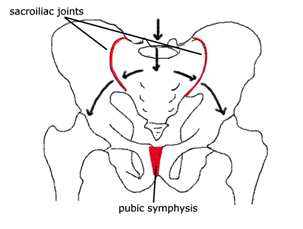
There is a sheet of elastic tissue that goes between the pubic bone towards the vagina and completely surrounds the urethra. It is the highlighted bit in the picture above. In SUI this connective tissue is damaged and so rather than holding tight when there is a high pressure (such as a cough or sneeze) the tissue sags, which then makes the urethra drop usually taking the bladder neck with it. This extra movement of the urethra allows for a small amount of urine to escape just at the time of the increased pressure of the cough or sneeze.

In milder cases of SUI due to urethral hypermobility, pelvic floor strength and coordination exercises will help. You can coordinate your pelvic floor to squeeze and lift very strongly and tightly just before the cough and sneeze. This is called The Knack. The pelvic floor muscle supports the urethra by tensioning another sheet of connective tissue to stop any urine from escaping.

Your women’s health physiotherapist can prescribe exercises for you. Sometimes a support device called a pessary can be inserted vaginally to support the urethra – these can be fitted by your women’s health physiotherapist. In some cases, a key-hole surgery may be required to insert a mesh sling to hold the urethra in place to prevent the hypermobility – essentially replacing the role of the sagging connective tissue. This is called a TVT or a TOT. Your women’s health physiotherapist will refer you to a gynaecologist if this is required.

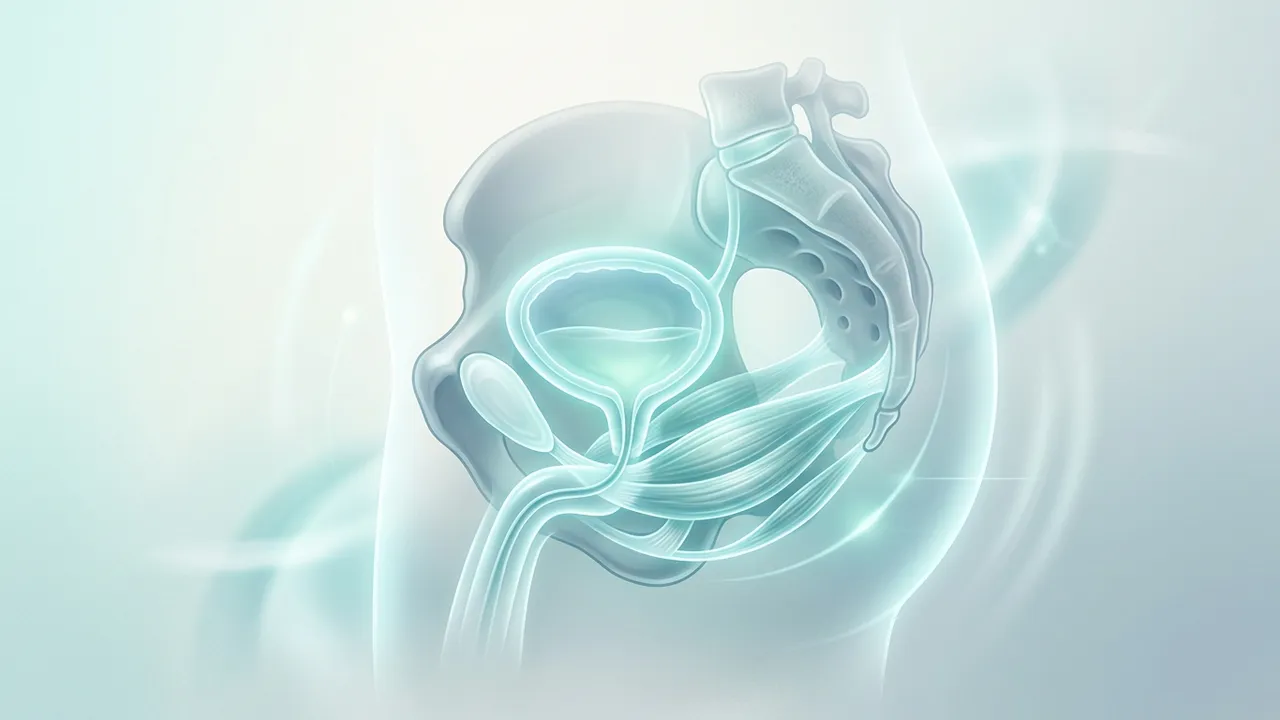
Type 3 SUI is due to urethral sphincter deficiency. In the picture below we can see that the urethra has an internal urethral sphincter and an external urethral sphincter, which act to keep the urethra closed. These sphincters are made of muscle, and with age and particularly after menopause there can be a loss of muscle fibres in the urethra, which can leave the urethra open. There can also be changes to the nerves or blood supply to the urethra with age.

During birth, if the delivery involved instruments such as forceps, there can be some nerve damage which can lead to urethral sphincter deficiency. Previous surgery in the area can also increase the likelihood that it is Type 3 SUI, as there can be nerve or blood supply changes. This is the type of SUI usually found in men after prostate surgery.

Type 3 SUI cannot be completely treated with physiotherapy but can certainly be diagnosed by a women’s health physiotherapist. If your physiotherapist believes you have a sphincter issue, you will be referred on to a gynaecologist. Treatment usually involves injecting bulking agents into the urethra to increase the muscle fibres or using medications that can improve the nerve supply or vaginal oestrogen to improve blood supply or nerve regeneration. In some women, a TVT operation will help.

Now that you know WHY you are leaking and HOW stress incontinence occurs you can better understand when pelvic floor exercises can help and when they are not enough. SUI is multifactorial – yes there may be some muscle involvement (which is when pelvic floor muscle exercises do help) but there can also be issues with the connective supporting tissue or with the urethra itself. If you have SUI it is important to know whether it is a urethral hypermobility issue or whether it is an intrinsic sphincter deficiency or whether you have both. Your women’s health physiotherapist can help you figure out which it is and advise you of the appropriate treatment.


13 Aug 2014 BY Katrina Tarrant POSTED IN Exercise, Physiotherapy, Pilates

Ballet, Strength and Movement Precision

Exercise ‘specificity’ at its best

https://www.youtube.com/watch?v=G_hn3UbT4zw&feature=youtu.be&utm_source=mail2&utm_medium=email&utm_campaign=BehindBallet%2395

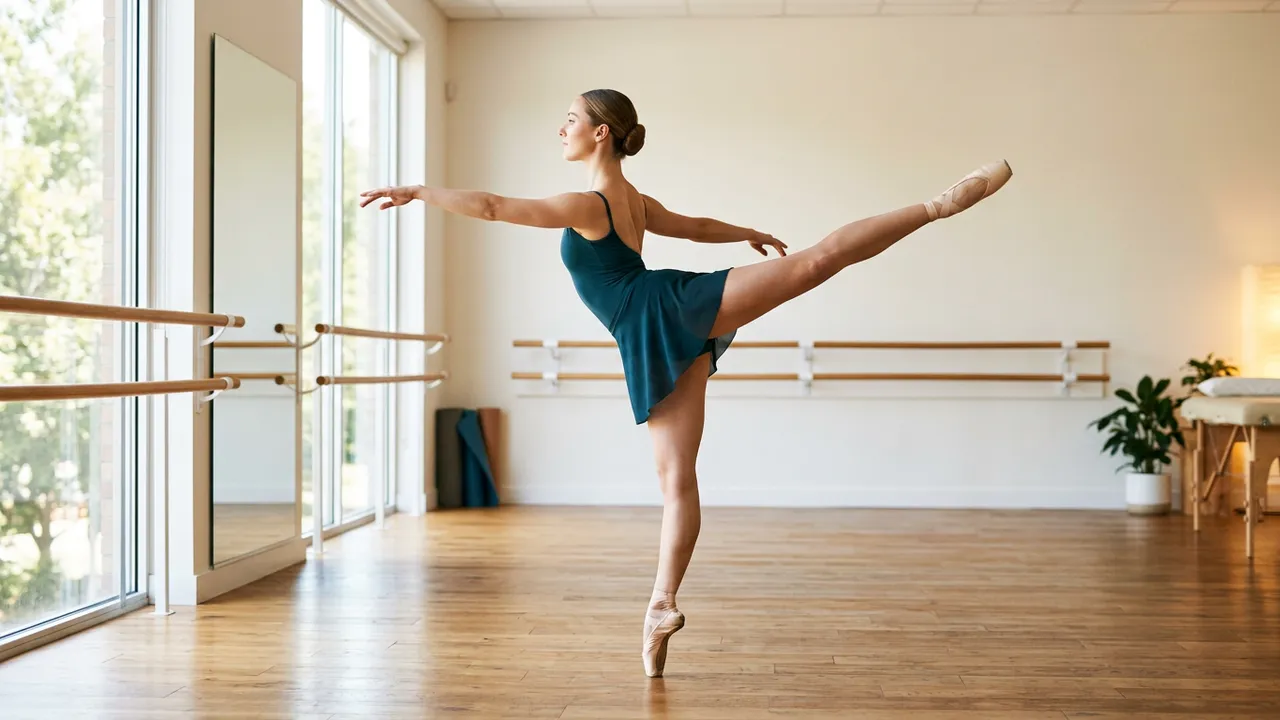
Watching this youtube clip showing dancers in slow motion makes you realise how perfect these skilled dancers are in their movement and movement control. What is even more interesting is how precise and targeted the strengthening exercises are to exactly target that very movement and the muscles involved. This includes all muscles from the spinal stabilisers, to the joint stabilisers to the lever muscles of power.

What a perfect example of ‘training specificity’. This is the way in which exercises can be tailored to precisely strengthen the muscles you need for a particular activity. As exercise therapists (us) and those interested in exercise and staying healthy and strong (you), we should all look for better ways to make our strengthening and exercise more specific.

Your imagination is all you need.


13 Aug 2014 BY Tabitha POSTED IN Back Pain, Physiotherapy

Dry needling and physiotherapy

Tabitha explores the fantastic effects of needling

Dry Needling is an exciting technique in physiotherapy (essentially Physiotherapy’s version of acupuncture). Katrina and I recently trained in this at a course in Darling Harbour. It has become another powerful tool in our tool belt when we treat our patients.

What is dry needling?

Small, ultrafine needles allow physiotherapists to target many important structures in your body affecting your movement. There are multiple applications, though each involves a needle and a few minutes with it sitting in the right position.

For example, the site where your muscle tendons join into bone can easily become thickened and irritated when overused over long periods. When a dry needle is inserted there, your body is provoked into responding to this otherwise overstimulated region. In much the same way, irregularities in your muscle tissue – both small and large – can appear when your body is adapting to excessive or abnormal tissue load. These can cause pain and other negative effects such as tightening and swelling and can be treated directly and indirectly with dry needles. Even swelling from acute injuries like ankle sprains is treatable this way.

With needling, we aim to disrupt a complex mechanism of activity involving interactions between the brain, nerves, blood vessels, hormones, chemical responses and the soft tissues of the body (ie muscles, ligaments and skin). These complex changes can cause abnormal loading/irritation of the tissues and less than ideal patterns of movement. The needles act like a combination of spotlight, alarm and jump start – the foreign stimulus causes your body to abandon its dysfunctional habits and return to a more normal state and movement.

Here’s a shot of Katrina with some needles I put in at out course in July. See, she looks nice and comfortable!

Does dry needling hurt?

Many patients are concerned about how it might feel, though in reality it is often much less painful than most treatments we perform! There is sometimes a feeling like a pinprick when we insert and remove the needles – similar to the feeling you’d get if you plucked a single hair from your head. In some people, a small drop of blood or bruise might appear. Depending on the site and the length of the treatment, you may also feel tingling (especially near nerves) or aching (near bone). Occasionally when needling the upper body you may become light headed or have an unexpected emotional response. But these will be monitored for and addressed if they do occur.

Personally, having upper body needling done in my arm makes me feel like I’ve had a lovely glass of wine, very relaxed!

Of course, we follow a strict sterilization technique and use single use, disposable needles, ensuring the slight discomfort of the technique (if any) is the only thing you have to worry about. For most patients it is surprisingly comfortable and produces very satisfying and impressive results.

Often you will have your physio combining dry needling with massage, joint mobilisations and re-alignment techniques to give you the best out of your treatment.

If you’re interested in dry needling, ask one of The Fix Program physios if it’s right for you!


3 Aug 2014 BY Katrina Tarrant POSTED IN Exercise, Physiotherapy

How orthotics reduce pain in injury

Podiatrist Lance Penn from Footsport guest posts

An orthotic is a custom made device designed to off load abnormal forces that can lead to damage of soft tissue structures, joints and bones.

What causes injury?

The direct cause of pain is a consequence of damage to the body (muscle/tendon/ligament/joint) as a result of abnormal forces. If the body cannot adapt to these loads then injury occurs. Physiotherapy principles aim to strengthen and or stretch tendon/muscular structures so that they can cope with the abnormal loads. Ideally, physiotherapy aims to achieve removal of the overloading forces directly from the sore tissues by spreading the abnormal forces more evenly about the area.

Orthotics work by altering abnormal loads around the joint axis, thus reducing the stress on the tissue. The best course of treatment is to tackle it from

both sides, strengthen/stretch and off load.

Certain feet are prone to over loading forces and this has nothing to do with the arch height. We now know that ‘flat feet’ are at no greater risk of injury than a ‘normal arch’. Traditionally foot assessments were based all around motion. Excessive inwards roll or ‘over pronation’ was presented as the root of all evil. This model of assessment has more or less been debunked. Current understanding is based around forces especially abnormal forces, and how they fit in with motion.

We still are not clear why some feet exert over loading forces while some do not and there is no link between over load and flat feet.

At Footpoint during our comprehensive biomechanical assessment we are able to identify the foot types that have abnormal loading forces and thus prescribe the correct orthotic that will reduce these forces. Pronation (or rolling in of the arch) is normal and in many cases we are trying to promote the natural ability of the foot to pronate. Most of our orthotics prescribed are flexible and always comfortable as we use the most up to date scanning technology that captures an accurate cast from which the orthotics are moulded to.

The orthotic process starts with the biomechanical assessment, casting then prescription of the orthotic. Once we fit the device we review you 6 weeks later to assess for the need to optimise the orthoses. This is part of the customisation process as fine tuning is needed to optimise function and comfort.

Orthotic customisation has come along away and we pride ourselves with having a comprehensive process that allows for easy communication and delivery of great clinical outcomes.

To find out more about Lance and his amazing orthotics, visit http://www.footsportpodiatry.com.au/ or call 9231 2707.


3 Aug 2014 BY Katrina Tarrant POSTED IN Back Pain, Physiotherapy

Paracetamol and lower back pain

Ineffective? I say misleading.

You may have recently heard in the mainstream media that there is a big question hanging over the effectiveness of Paracetamol in the management of early back pain. This was based on a very recent study by Australian team of scientists who were published in the highly reputable journal, The Lancet. The link in this post about this study is to a newspaper article written in the UK about the findings.

http://m.nursingtimes.net/5073407.article

As a little background to all of this, it has been recently found and become an International medical guideline that with early lower back pain, the best course of treatment is to take simple and regular Paracetamol and keep moving, or stay as active as you can.

This new research challenges these guidelines and asks for further research and trials into the effectiveness of Paracetamol. However, in my opinion, this news really needs to be interpreted very carefully.

Here is why…

Firstly to this article’s title and the comments from the study’s authors that simple pain medication ‘does not work’ for lower back pain. To state that this is the case has me all but a little concerned. How very misleading. The actual study found that in those with mild to moderate lower back pain taking part in the study, there was little difference in return to pain free function between groups taking Paracetamol and those taking a placebo tablet. Both worked and had good rates of recovery. Here are the details of the main findings:

  • The number of days to recovery in the Paracetamol group was 17 days, and the placebo group, 16 days.
  • By 12 weeks, sustained recovery (not needing further management) had occurred in 85% of the Paracetamol group and 84% in the placebo group.

OK, so there is not much difference in the 2 groups, but

  • Would you say that these results indicate that Paracetamol is NOT effective? Certainly not.
  • Would you NOT consider taking the advice from your GP to take Paracetamol with an attack of back pain based on these results? Certainly not.

OK, so taking a placebo has the same effect. In my opinion, the main question (and an exciting one) to come out of these findings is this.

What is at work here when pain reduces and function increases equally in groups taking real medications and placebos?

My thoughts? As we discover more and more about the human pain response and see its complexity, explaining phenomenon like placebo effects becomes a little easier. As we are discovering, pain is a complex output system from the brain and involves brain centres of emotion, memory, movement and sensory (to name a few). There is a saying going around that translates to something like this:

‘If the brain thinks that you are doing enough to help to get better, then that is often enough.’

We are increasingly seeing that other ‘psychosocial factors’ predict good outcomes from injury and responses to pain. These can include ethics and belief systems about pain and exercise, confidence in health practitioners, positive outlooks to injury and life generally, socioeconomic status, happiness in the workplace, relationship happiness and general health and wellbeing. The list goes on and on.

So back to the study. I personally could hypothesise that there has been a list of probable factors influencing the similar rates to recovery in both placebo and Paracetamol groups. This could start with seeing a confident well spoken doctor with a clear management course communicated for the lower back pain attack. A simple and uncomplicated message involving a simple pill and the advice to ‘keep moving’. This instils confidence in the injured. Keeping as active as possible keeps the movement or motor centre in the brain functioning well and therefore feeding healthy impulses about the brain. As pain starts to ease after those first few days and movement becomes easier, ‘happy hormones’ and natural occurring pain endorphins kick in more, further speeding up the road to recovery.

And on it goes…

To say that Paracetamol is ineffective in managing early lower back pain is misleading. It would be fairer to ask by what means is the tablet you are taking making an effect.


6 Jul 2014 BY Katrina Tarrant POSTED IN Pilates, Sydney CBD

Fee policy and enrolment terms and conditions

Before enrolling, please carefully read and agree to the following terms and conditions:

  1. Classes are paid for per term.
  • This may be rebate-able through your private health fund provider and claiming must occur at the completion of your term. All classes are taught by a Physiotherapist.

  • It is strongly recommended that you contact your health fund provider to discuss your eligibility and rebate amounts before enrolling in our programs. Not all providers will offer a rebate for group classes.

  • You will be issued with a receipt on full payment at term commencement and this is to be kept for the purpose of claiming.

  1. Full payment is required prior to commencement of the term to secure your place in the class.

  2. Terms cannot be reduced from the designated number of weeks (usually 10 weeks) for the purpose of reducing fees.

  3. Payment may be made by cash, cheque or bank transfer. Please make cheques out to “The Fix Program.” Bank details will be outlined in your class enrolLment email.

  4. Classes are to be taken on the days and times enrolled, unless additional make up classes are pre-arranged with Fix staff.

  5. Please notify Fix staff as early as possible if you are unable to attend your class.

  6. If a class is missed, a make-up class must be made within the term. After this, the class is forfeited.

  7. Missed classes cannot be refunded or carried over into the following term.

  8. The Fix Program reserves the right to change or cancel a class if necessary and apologise for the inconvenience.


6 Jul 2014 BY Heba Shaheed POSTED IN Pregnancy, Women's Health

Pregnancy and Incontinence

World Continence Week raises awareness for pregnant women world-wide

Urinary incontinence is a loss of bladder control which results in leaks of urine. This can be stress incontinence which is leaking urine with a cough, sneeze, laugh, exercise (including running, jumping, lifting weights), or even during sex. Or it can be urge incontinence which is a strong overwhelming desire to urinate and losing control before reaching the bathroom. Women over the age of 35 and women with a high BMI have a greater risk of both stress and urge incontinence during pregnancy and after birth.


Why can women suffer from incontinence during pregnancy?

It is quite common for women to develop some form of incontinence during pregnancy, and the most common form is stress incontinence. There are many reasons for this but the biggest reason is the extra weight of the unborn baby and the pressure of the uterus on the bladder. This is why pregnant women can often only develop incontinence in their third trimester. Sometimes constipation can also lead to incontinence because of the added pressure of the full bowel on the bladder.

One other major reason is the large hormonal changes in pregnancy, which make the connective tissue including the ligaments very soft and lax. Women need their joints and tissues to be more elastic (particularly around the pelvis) for childbirth, but this also reduces the support of the bladder, hence why some women will leak. This extra weight and pressure combined with the laxity of the joints puts added pressure on the pelvic floor muscles. Pelvic floor muscles will then fatigue quicker, and if the pelvic floor muscles are already weak, it can lead to incontinence.

Why is incontinence prevalent after pregnancy and birth?

Leaking is common in one in three women after childbirth. Sometimes women lose their ‘connection’ (brain message to muscle) to their pelvic floor muscles after childbirth and the muscles weaken. Perhaps it is the pain associated with the birth and its interventions which cause this. This weakness means the muscles can’t tighten around the urethra efficiently and a leak can occur. Sometimes these pelvic floor muscles can become weaker due to prolapse, or sagging, of any of the pelvic organs, which puts extra load and pressure on the pelvic floor muscles.

After childbirth, the biggest risk factor for stress incontinence is having a vaginal delivery, especially if instruments such as forceps or vacuum were used, as these can injure pelvic nerves and muscles. Other risk factors include having your first baby, having a large baby over 4 kilograms, having a long labour, especially the second stage of labour, and having a difficult vaginal delivery, which involve stitches or tears around or outside the vagina. If a woman has tearing of her perineum or prolapse of her bowels, she may also develop faecal incontinence. Women who have had caesarian sections can also develop incontinence especially if their pelvic floor muscles are weakened from the pressure of the uterus.

Is there anything that can be done to prevent pregnancy-related incontinence?

It is important for all women to do their pelvic floor exercises during pregnancy and after childbirth. An excellent way to do these exercises and help to manage or prevent incontinence is to join a Pregnancy Pilates group exercise program, such as those offered at The Fix Program. After you’ve given birth, it is highly advised to see a women’s health physiotherapist if you are experiencing any incontinence to make sure you get the therapy you need. At The Fix Program our women’s health physiotherapists are highly skilled in assessing pelvic floor function and can help you manage any incontinence as well as treat any prolapse or scar tissue you might have post-birth.


4 Jul 2014 BY Tabitha POSTED IN Pilates, Pregnancy

Post-natal Pilates with bub

Make time and enjoy our 15 minute post natal Pilates workout for you and baby

In the first few weeks after you give birth, it may feel unsafe to exercise – or you might never have enough time away from your bub to focus on your recovery.

This set of stretches and exercises is designed to safely help your body back to full strength after pregnancy and childbirth. We would recommend that you wait 4 weeks after having baby to start on these, but don’t forget to work on your pelvic floor lifts as soon as possible after the birth.

We recommend also our 1 hour post-natal check up would help you to discuss any concerns about your pelvic floor, spinal health and abdominal separation post-baby. We can direct and further target your exercise program for home also at this checkup. Call us for more details

Do you find it nearly impossible to remember to do your pelvic floor exercises?

Try to associate doing them with another activity, such as taking a drink of water, changing nappies or feeding times.

Do you not feel much of a lift or activation down below?

Don’t worry. This is very normal in the early days and weeks after having a baby. Don’t stop ‘doing’ your pelvic floor lifts however. Your brain is still connecting to these muscles every time you send the message, which is all very important. Your pelvic floor is probably take some time off to recooperate after your pregnancy and birth. Perhaps the pain of having stitches (or not) has switched the muscles off for a little while. They will start to get going very soon.

Once you can feel some small ‘closing and lifting’ of the pelvic floor hammock, you can begin to enjoy these exercises. These fifteen minutes each day are also bonding time with your new bundle of joy - your baby forms an integral part of each exercise! All you need is a mat and a pillow or towel.

 Leg rolling and out and in 

Getting ready

  • Lie on your back on a mat with your knees bent and your baby lying on your belly or chest

  • Have your feet and knees hip width and check that your tail bone rests flat and heavy on the mat (this should give you a gentle arch behind your lower back)

  • Rest your hands on your ‘headlights’ (the pointy bones at the front of your pelvis) on each side to check that you are not rocking your pelvis in any direction.

    Exercise

  • Breathe in deep and wide as you allow the right knee to roll slowly out to the side

  • Breathe out, gently lifting the pelvic floor and drawing the headlights together as you draw the knee back to centre

  • Repeat 5 times each leg, alternating legs each time

    Hot tips

  • Keep your pelvis still, and don’t let your lower back to arch or flatten

  • Keep a heavy feeling in your tailbone, focus on keeping it flat on the mat behind you

  • As you draw the headlights together at the front, check that your lower abdomen draws in and does not dome outwards

  • The leg that is not moving should stay quite still as you roll the other out and in. Imagine that hip is heavy, weighted in place

  • Allow the thigh, calf and butt muscles to feel soft, relaxed and heavy. Imagine your legs are being dragged through thick honey, resisting your movements

Bird Dog 


 Getting ready

  • Stay on all fours with your baby between your hands looking up at you or having tummy time
  • Find your neutral pelvis and small lower back curve
  • Keep your lower ribs from sinking down in the middle
  • Draw your shoulder blades gently down your back, away from your ears, and grow long up the back of your neck

       Exercise

  • Breathe in deep and wide and extend the opposite arm and leg away from centre (in front and behind)
  • As you breathe out, gently lift the pelvic floor, draw the headlights together and bring the arm and leg back to the starting position
  • Repeat, alternating sides, four times each way for a total of eight

     Hot tips

  • Keep your pelvis neutral and your lower back arch from increasing or decreasing
  • Keep your shoulder blades drawn gently away from your ears
  • Imagine you are gently holding a big mango between chin and chest. Don’t drop it!
  • You should feel the pelvic floor, tummy, shoulders, butt and thighs all working gently

The Clam 

 Getting ready

  • Lie on your side with your baby in front of you
  • Have your knees bent, feet back in line with your bottom, neck supported by a pillow or towel
  • Stack your hips one right over the other
  • Find your neutral lower back arch, tuck your ribs in at the front, and stack your shoulders one right over the other
  • Lift your lower waist a little off the mat to straighten out your spine

Exercise

  • On a wide breath in, squeeze your heels together and lift the top knee in line with your body
  • As you exhale gently lift the pelvic floor, deepen the naval and smoothly lower the knee
  • Repeat eight times on each side

 Hot tips

  • You should feel the top buttock working hard
  • Keep your top hip still, not allowing it to roll back at you lift the knee
  • Try to keep your small lower back arch the same shape, not tucking the bottom in or flattening your back
  • Imagine your leg as a floppy, heavy, dead weight dragging through thick honey

Lunges with bub 


     Getting ready

  • Stand facing a full length mirror with your baby held facing the mirror, low down in front of your hips with your arms relatively straight, hands hooked between their legs for support
  • Starting with your feet hip width apart, step your left foot forward then your right foot back
  • Keep your pelvis neutral – your right foot should be on tip toes. Check you have not twisted back on the right side, find your neutral zone and grow tall

     Exercise

  • Breathe in deep and wide as you bend both knees and lower yourself straight down

  • Breathe out, lifting the pelvic floor, gently deepening the naval to the spine and push back up

  • Repeat 2 sets of eight on each leg

  • Most of your weight should be through your back leg, and the front of that thigh should be working hard

  • Keep your pelvis neutral, not tucking your tailbone under or flattening your lower back arch

  • Make sure you drop your hip on the front leg side, not keeping it hitched up towards your ribs and shortening your waist – this will help your butt to work on the front leg side

Cat Stretches

      Getting ready

  • Kneel on all fours, hands under your shoulders and knees under your hips
  • Pop your baby on the floor on their back, looking up at you

      Exercise

  • Breathe in and round your back up towards the ceiling like a cat, bringing your chin to your chest and pressing through your arms
  • Breathe out and sink down through the middle of your back, drawing your head and tailbone high
  • Repeat five times each way

 Hot tips

  • Keep your shoulders still, always directly above your wrists, and pivot around them

Thread the Needle

     Getting ready

  • Stay on all fours from the previous exercise
  • Pop your baby off to your left side next to your hands, about an arm’s reach away
  • Find a neutral pelvis by rocking it forward and back and settling where you have just a gentle little lower back arch

     Exercise

  • Lift up your right hand and reach it through underneath your left arm, turning from the waist not the hips
  • Reach towards your baby and give them a pat, a tickle or a touch on the nose
  • Come back to centre, then repeat four more times, and again 5 times to the other side with your baby off to the right

Hot tips

  • You should feel the stiff upper back, ribcage and shoulder get a lovely stretch
  • Keep that gentle lower back arch the same shape as you turn, not allowing it to get bigger or smaller
  • Repeat five times each way

For best results repeat the whole program at least three to five days per week. Try this routine out the next time you are alone with your new baby – it will do you both a lot of good and prepare your body for returning to more intense exercise between six weeks and three months after the birth.

These exercises are safe for a new mum and are starting to return your body’s core or inner strength. Remember this is essential before moving onto your outer strength, or running and other high impact exercises. If you are at worried, please chat with us.

Our 1 hour post-natal check up would help you to discuss any concerns about your pelvic floor, spinal health and abdominal separation post-baby. We can direct and further target your exercise program for home also at this checkup.


27 Jun 2014 BY Katrina Tarrant POSTED IN Physiotherapy

The susceptible shoulder joint

Why you don’t need to be a tennis player to suffer from a painful shoulder

With the Wimbledon tennis tournament having started this week, it got me thinking about the incredible amount of training and the slogging of tennis balls that players must endure in preparation and on the court. Hitting a tennis ball with great power as they do puts such an incredible strain on the joints and soft tissues of the arm. This is particularly so at the elbow and the shoulder.

Today I will explore the common injuries at the shoulder joint in tennis players. However, as sport physios we see these injuries very commonly in a large proportion of the population. Let’s take a look at the injuries and how to they are best managed through physiotherapy and exercise.

Why is the shoulder so susceptible?

The shoulder joint has great mobility and inherent instability. It is a shallow ball and socket joint and therefore has a heavy reliance on the soft tissue support, including the ligaments and muscles. Stability of this region also comes from a coordinated control of muscular activations, or good muscular ‘balance’.

Because of this heavy dependence on muscular support for the shoulder, injuries are common in these muscles. Muscles and tendon strains can occur frequently with overstretching or overloading. This is especially so with ballistic or high power arm movement such as with throwing, tennis shots and serves. Improper warm up, poor strength and condition, or fatigue of the muscles can result in strain. Not only do the shoulder muscles need to generate power for the tennis shots, but also decelerate or slow the swinging arm. This is a huge amount of work load on little muscles about the region.

Poor neck and upper back postures in us non- tennis players can cause the same gradual wear and tear of these muscles and soft tissues. The common postures such as the ‘slumped spine’ or ‘poke chinned’ posture can set up a multitude of poor shoulder postures and therefore risk of injury and pain in the arm.

What is the rotator cuff?

You have possibly heard about the rotator cuff through time spent at the gym, or at our Fix classes. But what is it and why is it so important for a healthy and happy shoulder?

The rotator cuff is actually a ‘cuff’ or fan of 4 muscles. These 4 muscles run across the shoulder blade surface and attach to the shoulder joint up near the tip of the shoulder. They are essential for controlling the movement precision required at the shoulder when elevating or reaching upwards with the arm. They are considered the stabilising muscles of the shoulder and also keep the arm bone (or humerus) set into the joint, effectively stopping it from slipping down your arm. The most commonly heard rotator cuff muscle is the supraspinatus.

Pain associated with this cuff is usually felt down the arm a little from the tip of the shoulder. Wear and tear of these tendons, or small tears can occur due to their location in the top of the shoulder, or repetitive overhead motions of the arm such as with tennis serves or with a painter painting your ceilings all day long. It can be thought of as a pinching type erosion of the structures in the top of the arm, or impingement.

What is shoulder joint impingement?

Impingement is a very common injury of the shoulder. It is most frequent in occupations of sports involving over head activity. It can also be caused by old age, shoulder muscle weakness, poor shoulder joint stability or movement, and bony deformities. Many structures at the top of the shoulder can become inflamed, swollen and ‘pinched’, including the rotator cuff tendons, the biceps tendon, the fluid filled cushions, called bursa and ligaments.

Pain is felt on elevation of the arm and can again refer into the upper arm.

What about any other shoulder conditions?

There are a full host of shoulder problems and disorders that have not been mentioned here, from frozen shoulders to dislocations to those shoulder pains that may actually be referred from the close by neck and upper back nerves.

Am I always going to be stuck with a painful shoulder?

The short answer is ‘no’. The shoulder may be a complex joint, but as a result and in most cases, strengthening programs offer the best long term solution. Classes like ours at The Fix Program where there is a strong focus on good spinal, neck and shoulder blade alignment offer a fix to the cause, not just a bandaid for the pain. Sure, massage and physio, ice and taping can help also with the pain initially, but getting to the root cause of the movement problem and muscle weakness will prevent pain, swelling and injury in the future.

Exercises aimed at good shoulder blade posture such as

  • the diamond press
  • the dart
  • the cobra,

and visual and movement cues such as

  • slide your blades into their pockets
  • melt your shoulders from your ears
  • pivot your arm from the shoulder point
  • gently lengthen through the base of the skull
  • hold your mango under your chin,

will all assist in returning the upper back and shoulder region into a good movement control. Thoracic stretches and chest stretches will also aid good alignment. Even those over the favourite bolsters!

For some, the damage may be too great on the tendons and soft tissue about the shoulder joint. In this instance, surgery may be required (as a last resort- the rehab after shoulder operations is very very intensive), or an injection of cortisone into the injured structure to try to calm inflammation and encourage healing.

Regardless, you will get to know and love your physiotherapist very well, as they take you through a structured and slow course of treatment and exercise therapy to restore the shoulder and upper back to a well-oiled machine!

If you are at all worried about shoulder pain, get onto it early. As with most niggles, early intervention prevents a greater problem. Your physio will assess and work out what structure is involved - whether it be in the shoulder or neck- and start your road to recovery. Be prepared to work hard on it and you will get good long lasting results.


Fix News