The Fix Program Blog

10 Feb 2014 BY Katrina Tarrant POSTED IN Sydney CBD

The new CBD studio on York St

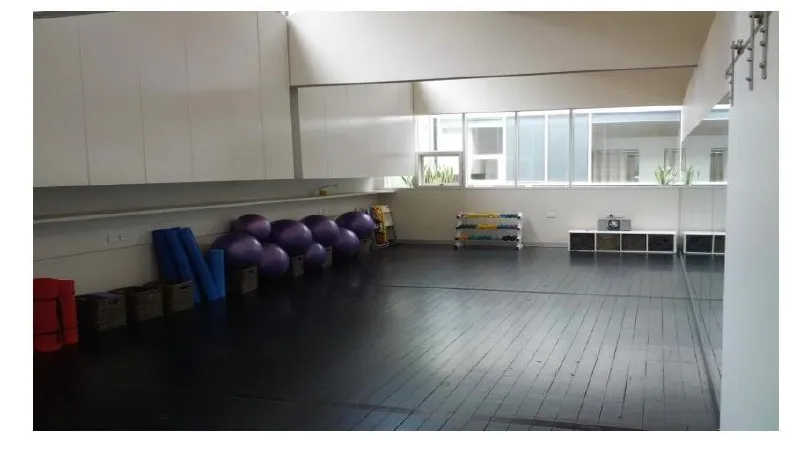
Here’s a couple of shots of our new studio

The Pilates studio is so bright and spacious, we’ve three new change rooms, and three physiotherapy rooms.

If you need physiotherapy, we are taking appointments now. Give us a call!

Physiotherapy rooms before and after:


Pilates studio before and after:


Deck:


26 Jan 2014 BY Katrina Tarrant POSTED IN Pregnancy

The 6 best ways to control your tummy separation in pregnancy

Are you worried about your tummy muscles separating? 66% of pregnant women will have it, so try these easy tips 

Abdominal separation or Rectus Diastasis (RD) is the separation of the most superficial of the abdominal muscles that can occur during pregnancy (or less frequently in anyone, men or women who overtrain their abdominals with too many sit ups). The separation will cause a bulge to occur when the pregnant woman attempts to move, especially visible when going from lying to sitting.

The rectus abdominus muscle is the muscle we typically associate with our bellies - we see them all oiled, sweaty and washboard-like on men’s health mags every time we are in the newsagent. Nearly all men would aspire to these ‘six-packs’, and most women too if to be perfectly honest. This muscle is divided into two, with a thin tissue or fascia which serves to separate and join the halves at the same time. This fascia is called the linea alba.

What does the research say out there about abdominal separation?

In pregnancy, the linea alba becomes overstretched to accommodate for the growing belly. This is a normal part of pregnancy. Research states that 66% of all pregnant women will have a degree of RD in their third trimester of pregnancy. In many women’s cases, this separation will improve without any intervention, and that this will be seen mostly from week 1-week 8 after having their baby. Any remaining separation is unlikely to make any further improvements after this time if left alone. Physiotherapy for thorough assessment of abdominal and pelvic floor control and pelvic, spine and rib alignment is highly recommended to assist in reducing the remaining gap. 

So, can I prevent abdominal separation from happening when I am pregnant?

The short answer is, no. Your body is adapting this way to handle your growing uterus and baby size. But here are a few tips to make good habits in pregnancy and in those first months post-natally to reduce the pressure on the linea alba fascia. ( I must also make the comment for you non-pregnant folk who have read this far on, that these are excellent habits to adopt when moving and exercising regardless of having had a baby or not).

  1. Move safely out of bed, through contraction of your pelvic floor and deep abdominal muscles, then rolling like a log and pushing up in a sidewards manner.
  2. Learn to appropriate hold your pelvic floor muscles. This means in short, the ‘lift’ of the pelvic floor hammock, not the ‘pushing down’.
  3. Move about through your day without holding your breath. Forgetting to breathe will increase the pressure from the abdomen pushing out into the linea alba. This includes the simple things like getting up out of your chair and bed, to walking up steps, or lifting loads such as little ones or grocery bags. Keep breathing and reduce the tendency to stretch the fascia more!
  4. Attend to gentle abdominal exercises (like the mat based deep abdominal exercises from The Fix Program) while being safe with your pelvic floor. This means not allowing the pelvic floor sling to bear down in a descending manner. This decreases the pulling or stretching forces of the fascia tissues within the pelvis that are all connected. Talk to our physios about appropriate pelvic floor and abdominal exercises for you.
  5. Learn ‘the knack’. This is another pelvic floor technique which supports the fascia within your pelvis and stops it from over stretching when coughing, sneezing or laughing. Try to contract or lift your pelvic floor before you feel any of coughs or sneezes coming on.
  6. Support your abdomen with pressure from your hands when you cough, sneeze or laugh. 

What problems can abdominal separation cause?

The linea alba fascia is required for good tissue strength and support within the abdominal and pelvic regions. It is known to have roles in back support and posture, continence, breathing and holding the organs in their place. Overstretching of this tissue can therefore potentially lead to:

Why not make the most of our women’s health physiotherapist, Heba? She is a specialist in pregnancy and post-natal. If you feel you have abdominal separation in your pregnancy or after having your baby, come in for a thorough assessment of pelvic alignment, strength and stability of the pelvis, pelvic floor control and strength, presence of vaginal prolapse or abdominal separation. We call this our Post natal checkup This is especially important before you start an exercise program.


5 Dec 2013 BY Katrina Tarrant POSTED IN Pilates

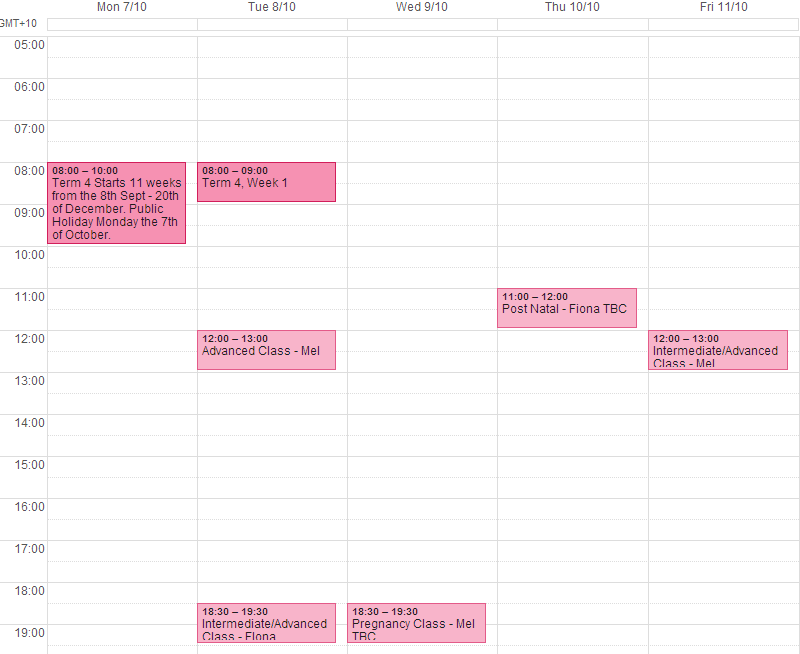
Draft Timetable Term 1 2014 - St Leonards

pilates st leonards timetable


5 Dec 2013 BY Katrina Tarrant POSTED IN Pilates, Sydney CBD

Draft Timetable Term 1 2014 - Sydney CBD

pilates sydney cbd


4 Dec 2013 BY Tabitha POSTED IN Physiotherapy

Can physiotherapy help treat tennis elbow?

What is tennis elbow?

Tennis elbow – in medical terms, lateral epicondylalgia – is an umbrella term for a range of injuries affecting the forearm and wrist extensor muscles along with their tendons and the radial nerve running through them. The action of tennis backhand is precisely the kind of movement that can cause it, meaning tennis players are easily affected, but in the vast majority of cases those suffering from tennis elbow have never even picked up a racquet!


How does tennis elbow feel?

Sufferers of tennis elbow describe an aching of your outer elbow, possibly tender to touch, sometimes with sharp pains with certain movements such as shaking hands or turning the tap. This is usually accompanied by a feeling of tightness or pulling in the muscles on the back of your forearm and hand. 

How did I get tennis elbow?

For the tennis players out there, the name gives you a big hint! For everyone else, there are many actions that might be the culprit, from opening cans to lifting technique, opening doors, even deskwork or pouring drinks. The specific movements are:

  • Pulling your hand back towards your elbow (like a tennis backhand)
  • Bending your wrist sideways (left or right)
  • Turning your hand over (palm up or down)

Notice these are all wrist movements, but the pain occurs in your elbow. This is because the tendons connecting your wrist to your elbow are being aggravated. When the muscles are repeatedly overused the tendons get irritated, and a vicious cycle of tightening and aggravation takes over your entire forearm. 

How can a physiotherapist help?

If you have elbow pain, the first thing a physiotherapist can do is determine whether or not it is this repetitive movement of the wrist that is causing your problems – the muscles, joints and nerves of the neck, shoulder, and upper back will also be tested as they may contribute, either wholly or in part, to the pain you are experiencing.

Once a diagnosis of tennis elbow is made, there are several treatment options.

  • Soft tissue massage can soothe your tight, overused muscles and unload your tendons, helping to break the irritation cycle
  • Support options compression stockings, sports tape, braces – that can be fitted to aid the affected area as you heal
  • Ice and ultrasound
  • Stretches and strengthening exercises that specifically target the affected areas can also be prescribed – these will involve strengthening the forearm muscles in a lengthened position, enabling them to withstand repeated loading without overly stressing your tendons.

An important step is working with the physiotherapist to identify the activities that cause the aggravation. Temporarily abstaining from these movements, allowing your muscles to rest, is part of any treatment plan. In many instances, the ergonomics of your environment – desk position, chair height, even the way you swing your racquet – are important contributors to the condition, and simple changes to your technique can be the key to helping those tendons recover.

You may also require strengthening programs for the shoulder and upper trunk about the shoulder blades to help to support the upper limb more efficiently and decrease the loads on the forearms, elbow and wrist. This can include Pilates based exercise, weights and theraband resisted training.

Early intervention is the best medicine, so if you start to feel dull aches or sharp pains, tell us – physiotherapy will prevent it from getting worse and ultimately manage your return to full, painless function.

If you are suffering from tennis elbow call us, we can help


4 Dec 2013 BY Tabitha POSTED IN Pilates

Explain the Pilates Cue – Sticky Feet

Imagine chewing gum under your feet and make your techniques on the mat better 

We are back with another instalment of Explain the Cue, and this month we are looking at the motivation for “sticky feet”. You will hear us use this cue whenever we are doing mat Pilates exercises in single or double float. 

The exercise

Start by lying on your back, knees bent. Use a towel to make sure your neck is well supported. Concentrate on your pelvis, feeling for the position where your tailbone feels flat on the mat – notice that this gives you a neutral, small curve in your lower back, away from the mat.

Take a breath in to prepare, deep and wide. As you breathe out, lift the pelvic floor, deepen the navel towards the spine, and lift one leg. Hold there for a deep and wide breath in and, as you breathe out, lift the pelvic floor, deepen the navel towards the spine, and lower the leg. Alternate legs and repeat 8-10 times.

 The goal of the exercise

Like many exercises in Pilates, this seemingly simple, easy movement is designed to activate your deep abdominal muscles (transversus abdominus) and the pelvic floor – your pelvic stabilisers or ‘core’. Once your core is properly activated, your lower back and pelvis will stabilize your entire body as you move your legs throughout the day.

To do the exercise correctly, the tailbone must stay flat on the mat, not digging in or peeling off, and the lower back curve must be maintained – no arching or flattening. If your pelvis and lower back don’t stay in this position, the target muscles will not be activated, and you will be moving your legs for nothing! 

So how does chewing gum fit into all of this?

This is where “sticky feet” can help. Each time you start to lift a foot off the mat, imagine that the mat is coated in a sticky substance – like chewing gum – preventing you from pulling it off quickly. In response, lift the heel first, rolling through the foot, so your big toe is the last thing to leave the ground. This allows for you to really prepare the muscles about the pelvis, turning them on and being mindful of your pelvis posture not changing.

Keep this ‘stickiness idea’ going throughout the exercise! As your leg lifts through the air, imagine it is moving through a thick fluid – like honey – so that the movement is slow and the leg feels heavy as it moves. As you lower the leg, again imagine pushing it through thick honey, touching the mat with your big toe very lightly and slowly, softly, reversing the lifting motion, rolling your foot down as if you are trying not to squash something soft and fluffy – like cotton wool.

These visualization cues slow down your movements and ensure you maintain full control. This will ensure your lower back and pelvis stay steady, stable and anchored, which will fully engage the deep core muscles both before, during and after you lift your leg. Imagining your sticky feet will also stop muscles about the hip and leg engaging and working in place of the real target- your pelvic stabiliser muscles.


4 Dec 2013 BY Katrina Tarrant POSTED IN Back Pain

Office chairs for good neck and back posture

Does your chair fit?

Chairs for home and the work place are designed for the average height and build. But what about for those who are at either end of the bell curve? Matching the right chair to the individual should really be as important as have the right fitting shoe, especially for the desk worker who sits all day.

In reality, in offices everywhere, this is not the case. Companies tend to buy chairs in bulk and all of the same make and size. Does one of these common scenarios sound like you?

  1. Tall people sit in standard seats with too much of their thigh unsupported and hanging in front of the chair.
  2. Short people sit in standard chairs that are too large and cannot get their bottoms to the back of the chair, or if do, have their feet swinging and not firmly on the ground.

office chairs

How do you know if a chair fits you properly?

There are 3 important dimensions to measuring a well fitted chair for any individual.

  1. Can you easily get your hips and bottom back into the seat with the backrest supporting your back?
  2. When you are seated back into the chair, do your feet sit firmly on the ground with your knees and hips at a right angle?
  3. Is there a 2-5cm gap between the front edge of the chair and the back of your knee when you are sitting well into the back of the seat?

If you answered ‘no’ to any of these questions, then your chair should be modified or changed altogether. Office chairs do offer great adjustability such as a seat slide, and gas compression chambers for lift and tilt. Seat depths, heights and tilts can therefore be altered up to a point for the average sized of us. However, for the petite and larger of us, there are chairs out there that would better suit you.

I would suggest that if you are one of our smaller or larger friends, speak to your HR department or physiotherapist about whether your chair is adjustable enough or whether another new chair is really the answer.

Just like Golidlocks and the three bears, there is a seat size best for everyone, no matter how big or small.


12 Nov 2013 BY Katrina Tarrant POSTED IN Exercise, Pilates

Katrina’s Top 3 Pilates exercises for rediscovering your buttock muscles

Do you suffer from ‘gluteal amnesia’? Pilates can help 

Thanks to a lovely Fix Program regular, I had such a laugh reading this article about men over 40 losing their buttocks. Girls, don’t laugh - we tend to lose them too. Men’s tend to disappear around to the front to their bellies and we women seem to have them slide down the backs of our legs. 

http://www.afr.com/Page/Uuid/033a59e0-39fb-11e3-a334-c26c4e617206 

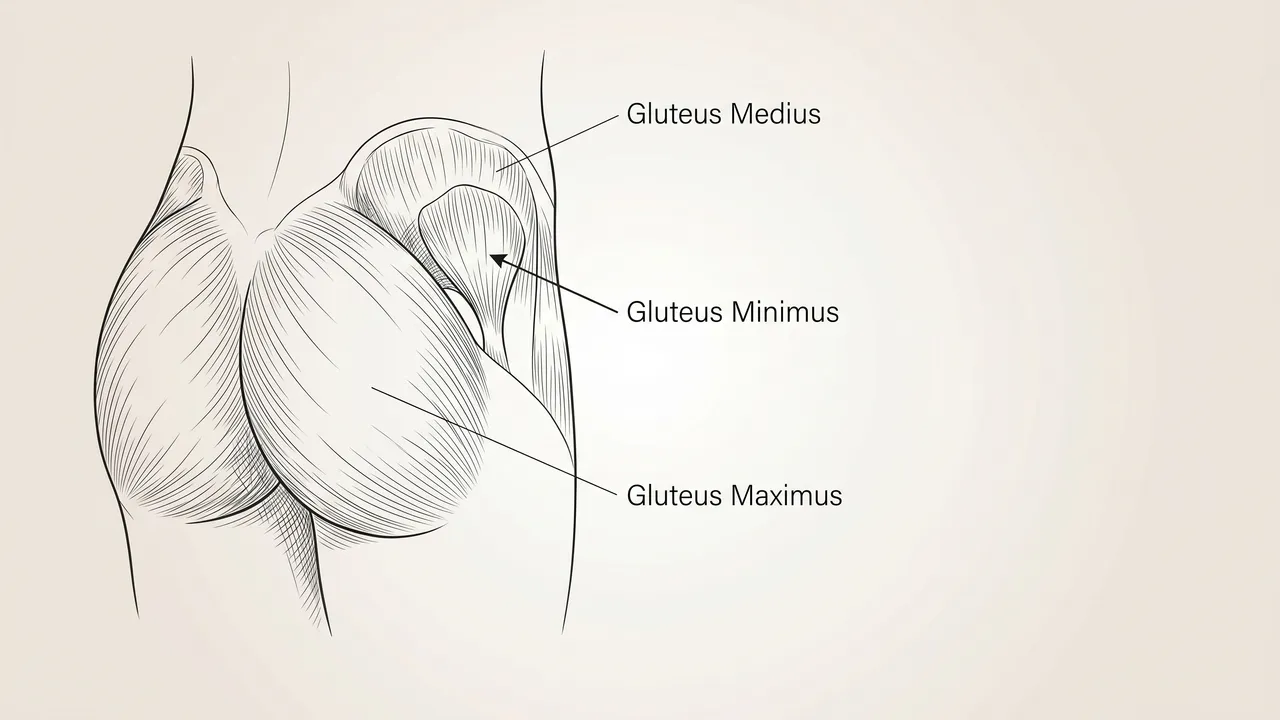
But is all seriousness, the buttock muscles are terribly important in supporting our pelvis and back, holding our hips in a good alignment in our pelvis and in providing us with the power to get up out of seats or to walk and run. Underactive and weakened gluts will result in a greater instability about the hip and pelvic regions. This can result in an increased load transferred to the lower back above and to the hamstring muscles below.

Some of us can feel that our hamstring muscles seem to become tighter as we get older. The hamstrings are a powerful and often over worked group of muscles running from your sit bones of your pelvis to the backs of your knee. If you once had quite flexible stretchy legs and hamstrings and now notice they are becoming tighter and stiffer, then perhaps your buttock muscles are weakened? Perhaps you are reliant on these hamstrings for more power and stability about the pelvis in your day than previously? Is there an imbalance about the muscles of your hip and leg?

Has your brain developed ‘gluteal amnesia’?

So how do you ‘find’ your buttocks again? The solution is often a simple one, but also quite a challenge for some brains! Often you need the kind and expert assistance with appropriate cues from your favourite physiotherapist to discover these muscles again. Here are my top 3 Pilates exercises to firstly find, awaken and then challenge your buttocks.

Step 1: Let’s find our buttock muscles again with ‘Virtual reality leg lifts’

Leg lifts to strength buttock

Lie on your tummy with your knee bent to 90 degrees. Imagine your thigh is stuck to the mat and unable to lift off.

Gently lift your pelvic floor muscles and deepen your navel, becoming aware of the subtle tightening between your hip bones and lower belly coming off the mat. Try holding these muscles on while you breathe. Next, imagine you are lifting the foot of your bent leg towards the sky. But remember, you can’t as it is stuck to the mat.

Where do you notice the muscle activating? Is it in your buttock region or down the back of your leg?

If you feel that your buttock is not engaging, try placing your hand on the buttock and imagine very gently holding a piece of paper between your buttock cheeks. Feel it now?

So, try again. Lift your pelvic floor, gently deepen your navel, imagine the paper held gently between you cheeks and then an imaginary lift on your foot towards the sky. Any luck?

Practice, practice again- it is really a brain challenge! This is the hardest step – rewiring your brain to habitually activate your buttock. If all else fails, practice on the other side and see if you can activate your buttock on this side before returning to the other.

You really must master this before progressing to step 2.

Step 2: Awaken your buttocks with great squat technique and side stepping squats

squat with theraband front squat with theraband side

squat with theraband lunge left squat with theraband lunge right

We should all know how to squat safely but here’s a quick recap.

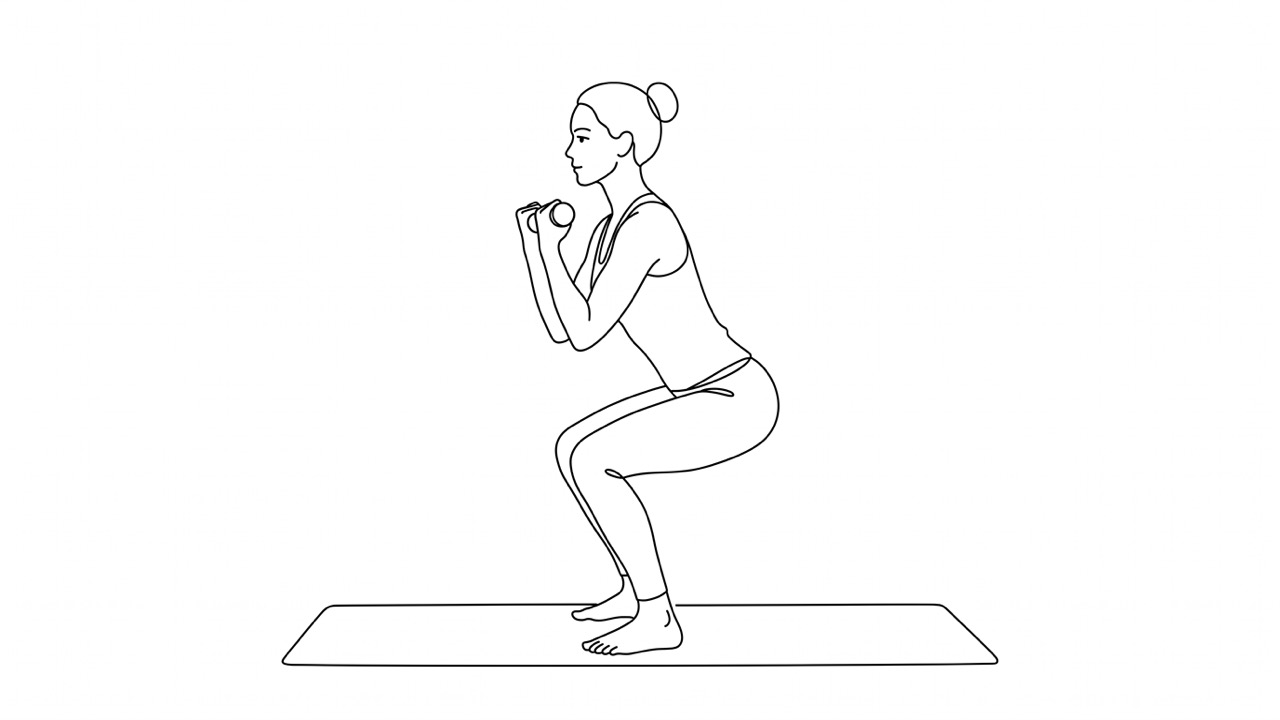
Standing with your feet hip width apart, find your pelvis neutral posture. Become aware of your pelvic floor muscles lifting and abdominals deepening as you lift through your waists gently. Fold your trunk over your hips as if you were aiming to sit onto a chair, your knees bending and your weight shifting into your heels. Remember your tall waist posture and unchanging spinal curves. AS you push up to a standing posture, push through your heels and be aware of your buttock muscles activating.

You can make this more challenging with your theraband tied around your knees, or with sidestepping squats across the room. Remember your sinking hips, folding trunk, tall waists and pushing up through your heels. When sidestepping, feel your leading leg doing most of the work.

Wake up those buttocks.

Step 3: Challenge your buttocks and build endurance with single leg squats, step-ups and jumps

single leg squat - up single leg squat - down

So now you have found your buttocks and your brain knows what it’s like to use and feel them, you can really go for it. Single leg squats, with or without weights, lunges, step ups onto a step or parkbench. All of these will build endurance in your new found gluteals and give you a shapely derriere.

Remember the basics – good pelvic posture (‘neutral’ and no tipping sideways), tall waists, pelvic floor and deep abdominal engagement and pushing through your heels. Even a cupped hand over the buttock cheek will help to reinforce to your brain that you are activating well and feeling that lovely bulky butt!

Good luck rediscovering a shapely behind and giving your back, posture and tight leg muscles a lending hand too.


7 Nov 2013 BY melanie POSTED IN Exercise

Do you sleep better after your exercise class?

Are you one of those people who are insanely jealous of the deep sleepers that don’t even hear a thunder storm during the night? Or waking at 4.15am every morning? Or maybe you just have a little one relying on you for a cuddle or feed during the night? You are not alone! And your lack of sleep can significantly affect your health and well being.

The Sleep Health Foundation has found that more than 1.5 million Australian adults suffer from sleep disorders. If you are one of these you will know that a lack of sleep can have a major impact on your mood, concentration, memory and quality of life!

Here are some ways you can try and get a good night’s sleep:

Exercise. Disciplines like Pilates that get your body moving, strengthens your muscles and increases your endorphins the happy hormones. Exercise can also help reduce your stress.

Stretching and relaxation. Having a wind down routine prior to bedtime can help get you relaxed for sleep. This may include focusing on your breathing or setting aside time for meditation.

Write down what is on your mind before you start your wind down routine so you can forget about that email you forgot to send or the phone call you need to return.

Switch off your electronics 1 hour before bed time. These days it’s so easy to get caught up in work and social media at all hours of the day. Unfortunately this stimulates our mind and the light exposure reduces the levels of melatonin in your body which is the major hormone that controls your sleep and awake time. This can create a level of sleeplessness during the night.

Avoid heavy meals too close to bed time. Try to have your meal a few hours before bedtime.

Decrease the clutter in your bedroom and keep it clean and dark.

If you are having pain through the night especially in your neck or back, check the height of your pillow and try to keep your spine straight when sleeping. If this is significantly worrying you please go and see your Physiotherapist.

While you sleep your body goes through a cleansing process like a detox, rejuvenating your brain cells. This is especially important if you are in pain or going through prolonged stress. If you want to read more have a look at this article:

http://blog.naturaltherapyforall.com/2013/10/21/brain-undergoes-cleaning-process-whilst-asleep-study-finds/

Sleep Well.


31 Oct 2013 BY Tabitha POSTED IN Pilates, Pregnancy

Can Pilates help with my pelvic girdle pain in pregnancy?

During pregnancy, levels of the hormone relaxin drastically increase to help your soft tissues stretch, allowing plenty of room for your growing bub. However it can also have its downside – the joints in your pelvis can become excessively flexible, sometimes causing pain with movement. This pain is called Pelvic Girdle Pain (PGP), and 45% of all women will suffer from it with 25% continuing to experience it postpartum.

To understand what is going wrong and how we can help, let’s take a closer look at the pelvis. It has three joints that are affected by PGP.

The pubic symphysis.

This joint sits at the front of your pelvis, down low where the pubic bones are joined together with cartilage and ligaments. This joint transfers the load of the trunk from your tailbone to your hips and acts as a shock absorber while you’re walking.

The sacroiliac joints (SIJs)

Of which you have 2. They sit at the back of your pelvis, connecting your tailbone (sacrum) to the large curved pelvic bones (the iliums) with ligaments. These convert rotational forces generated by your lower limbs through your spine, stabilising you and also helping to absorb shocks.

Pelvis diagram

During pregnancy, relaxin allows the ligaments of the pubic symphysis to stretch, letting the pelvic bones widen apart – a very important adaptation your body makes in preparation for delivery. However, this can cause pain on movements whenever your legs are wide apart such as when getting in and out of a car.

Relaxin also makes the SIJs more hypermobile, which can lead to a dull, aching pain near your tailbone (near the dimples) on one side or both. This may be particularly acute whenever your hips rotate and bear weight at the same time, such as when standing up from sitting, climbing stairs, or expended periods of walking. The pain may also feel like it is in your lower back, buttock, hip and thigh even though the SIJs are the real problem – we call this referred pain when it appears far from the true cause.

PGP is likely to worsen as the pregnancy progresses, but more than 70% of women whose symptoms started with their pregnancy are pain free by 2 months post delivery without the need of physiotherapy treatment. In the meantime, gentle core stability exercises such as those found in Pilates can help to stabilise your pelvic joints by increasing your postural muscle support – all helping to keep your bones in the right places! Exercises that gently engage the pelvic floor and deep abdominal muscles (as you have experienced in your Fix Program pregnancy classes) are particularly effective.

In the unfortunate (though fortunately rare) cases of severe PGP, hands-on physiotherapy treatment can offer relief and help correct the joints’ positions. One of our Fix physios can also test to see if using a pelvic stability belt might ease your pain. These are designed to offer compression during painful movements to the lax pelvic joints. We are also great at giving advice on movements to avoid, practice of movements to adopt and exercises to limit your painful movements.

So please don’t hesitate to let us know if you need further help with your PGP – there is a lot that physiotherapy can do to help you, like compression wear as seen below until you, your body and your bub are all settled.

pregnant women getting fitted with belt


Fix News