The Fix Program Blog

12 Jun 2014 BY Katrina Tarrant POSTED IN Pilates, Sydney CBD

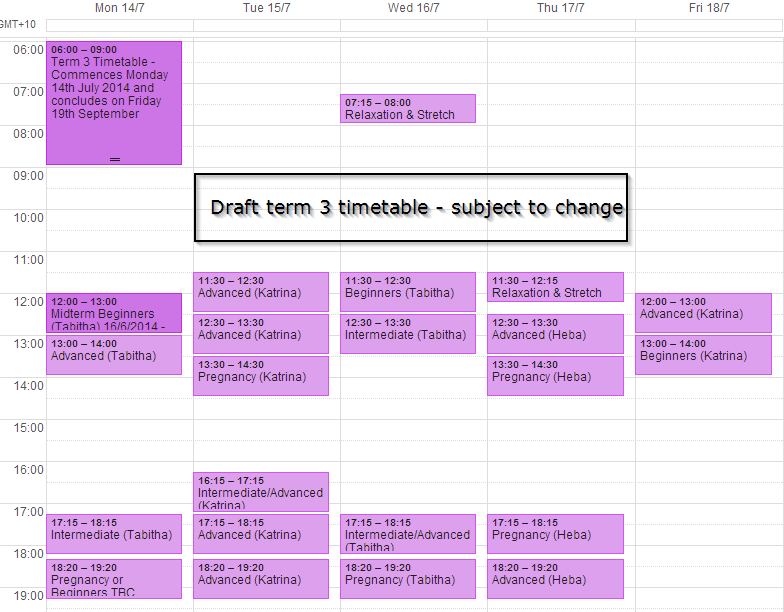
Draft Pilates Timetable Term 3 2014 - Sydney CBD


26 May 2014 BY Katrina Tarrant POSTED IN Back Pain, Exercise

Pacing up your fitness the successful way

Another fine example of how ‘slow and steady’ will win the race - by Katie

Injury 

I was forced to stop running for nearly two months recently after experiencing hip pain/tightness. My physio did her job releasing tightness and prescribing a program of stretching and strengthening exercises to get my buttocks (gluts) working properly. After testing it out with a few long walks I wanted to start running again and was keen to get back into 10km fun runs as soon as possible. However I was scared about being sidelined with injury again if I went too hard, too fast.

Katrina suggested I try the Couch to 5K program to gradually ease back into it. So I downloaded an iPhone app. The App was labelled as ‘Couch Potato to 5km runner” and is an 8 week long program with 3 workouts a week to gradually get you from alternating walking with short interval runs, to a continuous 30 minute run. I was not exactly a couch potato because I had been keeping up my weekly Fix classes, an outdoor boot camp and weekly swimming squad sessions. So I toyed with the idea of skipping to week 3. Instead, I started at week 1 but moved through the ‘weeks’ a bit faster. 

running

Frustration

At first it was FRUSTRATING. I really enjoyed the run intervals but at only 1-2mins long I was only just getting into them before the App told me to start walking again. I just wanted to keep running. I had to keep telling myself that the end goal is to run 5K without reinjuring myself and I had to be patient.

Even though I thought I was fairly fit, the run intervals did start to get a bit harder from week 5. I guess my cardio fitness had dropped a bit. (Before injury I was exercising 5 times a week, including 3 runs). So from then on, I stuck to the prescribed 3 runs scheduled for each week.

I had a few weeks towards the end where my hip was sore again. I gave myself a couple of extra rest days but still finished the program in around 8 weeks. 

Success

It felt great to finally do the 30 min, 5km run and be back into running.

In the month since then I’ve been doing 3 runs per week, between 5-6kms. I have had a few niggles of pain & tightness and have had to accept that I will always need to keep up my strengthening exercises & stretches if I want to run regularly. It needs to be a permanent part of my schedule but I think it’s worth it to be able to keep running.

The final word

Now Katie and I are running again! We have our 10k fun runs lined up for the coming months and it is great to have these as our next set of goals. It’s all about finishing each one and with a hopeful PB!

If you are keen on starting your own running program to improve fitness, get ready for the City to Surf, or Blackmore’s Bridge Run in September, now is the time to get started. Here are the Apps we suggest.

Here we are together at a recent fun run in Balmain.

5k run together

http://c25kfree.com/ (watch the ads popping up regularly)

https://itunes.apple.com/au/app/c25k-5k-trainer-free/id485971733?mt=8

https://itunes.apple.com/au/app/run-10k-interval-training/id350529744?mt=8 

A big thank you to Katie for sharing her pacing experience.


21 May 2014 BY Heba Shaheed POSTED IN Physiotherapy, Women's Health

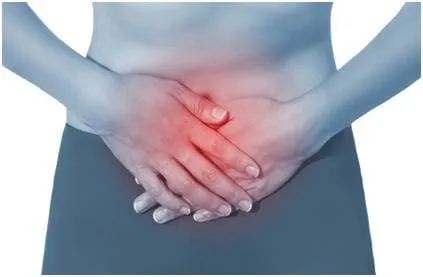
What is endometriosis and how can physiotherapy help sufferers?

What really goes on with one of the most common causes of persistent pelvic pain

Endometriosis is one of the most common gynaecological causes of chronic pelvic pain. It occurs in a whopping 1 in 10 women and has a ridiculously delayed diagnosis of 7-10 years!

So what is endometriosis? Isn’t it just killer cramps? It will get cured by getting pregnant, right? It means you can’t have babies, right? Wrong. These are just some of the common misconceptions surrounding endometriosis.

Let me break it down for you. You’re never too young to get endometriosis. There is a genetic link to it, which means if your mother, grandmother, sister or aunty has it, chances are you might have it too. This means it’s part of our genetic makeup and as soon as you have that first period, whether you were 16, 13 or even 10, you’ll know it. I should mention though that not everyone with endometriosis gets pelvic pain.

This brings me back to my first question. What exactly is endometriosis? Think of the cells that make up the lining of the uterus – in a normal person these cells exist exclusively in the lining. In a person with endometriosis, cells that are similar to the cells of the lining exist in other places too. This means they can be found on the ovaries, the fallopian tubes, the bladder, the bowels, in the vaginal walls, on the pelvic ligaments inside your pelvis, in the Pouch of Douglas (which is the space between the uterus and the bowels) and funnily enough can even be found in places like your lungs and diaphragm too! These cells all over the place will act like your cells do with your monthly cycles.

If you think about all the places this tissue exists it’s no wonder women with endometriosis present with a myriad of symptoms! Some of the common symptoms include:

  • Heavy, prolonged and irregular periods including spotting between periods.
  • Painful periods – the “I can’t get out of bed – it feels like I’m being stabbed over and over again – it feels like its shredding” type of pain.
  • Painful sex (during and after) – to the point that you just don’t want to have sex anymore.
  • Pain with bowel movements (sometimes only during periods) – including intolerances to inflammatory foods e.g. dairy, wheat, soy and sugars - it feels like you have Irritable Bowel Syndrome (IBS) with the chronic bloating and constipation and bouts of diarrhoea.
  • Painful urination during periods.
  • Pelvic pain – over time the pain can cause the muscles and connective tissue around the pelvis, back, tummy and hips to become sore. You can start to get changes in your muscles too, including pelvic floor spasms and tension.
  • Infertility.

Interestingly enough, not all women with endometriosis experience symptoms. And the severity of their symptoms is not related to the severity of the disease. For example, you can have a woman with Stage 4 endometriosis (the worst!) that experiences minimal pain and the only reason she finds out she has endometriosis is trouble falling pregnant; and another woman with Stage 1 endometriosis (the least severe) who experiences incredibly severe amounts of pain. The severity of endometriosis is classified according to the location, extent and depth of endometrial tissue, the presence and severity of scarring called ‘adhesions’, and the presence and size of ovarian endometriomas (“chocolate cysts”) but not the presence of pain.

The management of endometriosis is multi-disciplinary which means many health professionals may need to get involved to help you out. It can involve the GP, gynaecologist, physiotherapist, dietician, and pain specialist.

Women’s health physiotherapists play a large role in pain management. If the woman with endometriosis experiences painful sex or chronic pelvic pain, a women’s health physiotherapist with a specialty in pelvic pain can help to treat the musculoskeletal concerns externally and internally.

If you are experiencing pain within your pelvis, buttocks and hips and you are concerned about it, speak with Heba at The Fix Program for women’s health.


15 May 2014 BY Katrina Tarrant POSTED IN Back Pain, Exercise, Pilates

How resistance exercise like Pilates can drop your diabetes risks

International guidelines on diabetes recommend aerobic and resistance exercise like Pilates

weights

We all should know now the benefits of exercise in preventing and controlling diabetes, heart disease, vascular disease and even early onset dementia. Guidelines for exercise have always suggested medium to high intensity workouts 3 times per week to benefit from these exercise effects. There is now a mounting stack of evidence concluding that strength or resistance training has an equally positive effect on us. This is particularly so with respect to type 2 or non-insulin dependent diabetes.

I recently read a short grab in a health magazine. It read like this:

150 minutes per week of aerobic exercise + 60 minutes of resistance work per week = 40% drop in diabetes risk!

I was intrigued and so read further on this topic myself.

The website for the Joslin Centre for Diabetes research at the Harvard Medical School was a fantastic source of medical facts, recent research findings and practical tips for preventing and managing the disease. Here I have extracted some of the most interesting of facts and tips from my reading.

  • High-quality studies establishing the importance of exercise and fitness in diabetes were lacking until recently (the past 10 years), but it is now well established that participation in regular physical activity at a moderate to high intensity improves blood glucose control and can prevent, delay and manage type 2 diabetes.
  • The international guideline specifically recommends that such moderate exercise correspond to approximately 40% to 60% of maximal aerobic capacity and states that for most people, brisk walking is a moderate to high-intensity exercise.
  • To measure 40-60% maximal aerobic capacity, the ‘talk test’ can be used as an additional suggested guideline. This ‘talk test’ recommends that you are able to maintain (just), a ‘breathy’ conversation with your exercise partner to estimate this level of effort.
  • For people who already have type 2 diabetes, the new guidelines recommend at least 150 minutes per week of moderate to vigorous aerobic exercise spread out at least 3 days during the week.
  • The international guideline also recommends that resistance training be part of the exercise regimen. This should be done at least twice a week — ideally 3 times a week — on non-consecutive days.
  • Resistance training is defined as any exercise incorporating weight, whether that be through weights at the gym or home, body weight, resistance bands and the like.
  • People with or without type 2 diabetes who perform resistance training strengthen their muscles.  This results in a higher metabolism and more calories burnt, improving insulin sensitivity (glycaemic control, or ability and effectiveness for insulin to convert your sugars to energy). This also helps with weight loss, and may reduce the amount of diabetes medications required if already diagnosed as a diabetes sufferer.

Offering practical exercise sessions and advice about exercise, the Joslin Centre website had me thinking that many of our exercises at The Fix Program were very much similar to their programs. They suggested exercises such as weighted biceps curls, chest presses, tricep dips, squat, lunges and planks. Sound familiar?

Think of all those Pilates classes you have done at The Fix Program, with squats and lunges with weights from our beginners Pilates, wallplanks, ‘mad minutes’, ‘skull crushers’,’ tree huggers’ and ‘scissor arms’ from the advanced Pilates classes.

So, for all of you continuing with your classes with us currently, now all you need to do is add your 150 minutes of moderate to high intensity aerobic exercise, and you are well on your way to reducing not only your type 2 diabetes risk, but other health risks also. For those of you not continuing currently with weighted exercise, try these suggested exercises from our Pilates classes for an hour in total over your week.

  • Squats and/or lunges with weighted biceps curls.

    Try 3 sets of 10 squats/lunges with your arms curling. Don’t forget your deep and wide breath, pelvis neutral awareness and activation of your pelvic floor and deep abdominal muscles throughout. Remember that a slow movement in each direction (in time with your deep breaths to really slow you down) will increase the demand on your muscles and therefore the beneficial effects at the cellular level as outlined above.

  • Scissor arms in sustained double float.

    Try 2 sets of 10 scissor arms. Again, keep in time with your deep and wide breath and become aware of your trunk and pelvis postures. Remember the low but constant activation of your pelvic floor and deep abdominal muscles throughout.

  • Tree hugger in sustained pelvic bridge.

    Try 2 sets of 10 tree huggers. Remember all of the above for a controlled and slow loaded exercise for maximum benefit.

  • Mad minute

    On your elbows and toes/knees, hold your plank for 60 seconds. Remember your low and constant pelvic floor and deep abdominal contractions, soft neck, shoulder blades in your ‘pockets’ and a good neutral spine and pelvis.

I’ve chosen these 4 Pilates exercises as they maximise the resisted or weighted demand on the body. Target large and multiple muscle groups to maximise the benefits of muscle strengthening and the effectiveness of insulin.


1 Apr 2014 BY Katrina Tarrant POSTED IN Pilates, Sydney CBD

Draft Term 2 Pilates Timetable - Sydney CBD


25 Mar 2014 BY Katrina Tarrant POSTED IN Exercise, Physiotherapy

The case of the missing butt

Where have our buttock muscles gone?

I know we have discussed the butt muscles or ‘glutes’ before, but it never ceases to amaze me how lazy our buttocks can be. I see many injuries day to day and nearly all of those of the leg can be traced back to weakness of the derriere.

I often ponder, what makes our buttocks just switch off? Can we blame our sedentary lifestyle? Can all those years at school, university or behind the desk at work be the cause? Surely our young children are born with and have a lovely active buttock, so what happens? I even think about whether our more active forefathers had lazy rear ends? Note the image below. Notice the perky and full buttocks before our time on Earth and the not so shapely rear of our fellow on the end. My goodness, that posture generally! I can barely look.

image

So, what is it that makes the buttocks muscles so critical for good performance of our back, hip and leg? And what happens when we have a comatose rear?

image

What is the importance of the buttock muscles?

The buttocks or gluteals have several important roles.

Firstly, they are the power house muscle of the legs (along with quads/thighs). You need these to get your power on push off on every step. This includes as you walk, run, take the stairs and get up out of your chair. They are also massive shock absorbers of your body’s impact every time your foot hits the ground (in other words known as eccentric or deceleration loading).

Secondly, theyare important stabilisers of the leg bone (femur) in the pelvis, stopping the sideways shift and drop of the pelvis every time you hit the ground. This is critical for good stability and safety of the region, including about the back.

This in all creates and ensures a great balance and efficiency of the work of all muscles about the area. Greater efficiency of your movement means more strength and endurance. This in turn equates to less injury risk of the back, hip and leg. And we all would like that.

What is the importance of the buttock for the hip region?

We need a good balance of muscles in any region of the body. This is the way in which muscles work together for good coordination of movement, control and stability. If there is not this balance or control, then there will be compensations or changes present. Some muscles will not work hard enough (the ‘under-actives’) and others will step up to work harder (the ‘over-actives’).

‘Under-activity’ or laziness of any muscle is important as this will result in your clever brain making allowances and it will do all in its power to adapt and have you still able to move. What could these adaptations be for a weak butt?

The brain can ‘rewire’ itself to activate any muscle about the joint that can chip in and do the work of the lazy butt – this can include any or all of the following muscles:

  • Deep hip rotators ( ‘butt clenching’ tendencies)
  • Hip flexors at the front of your hip
  • Hamstrings (the long and big muscles that run from your buttock to behind the knee. Ever wondered why one is always tighter than the other, or why you find it increasingly hard to sit with your legs out in front of you on the floor or bed?
  • ITB – the big muscle and its band that cross form your hip to the outer knee
  • Large back muscles (‘back clenching’ tendencies)­­

‘Over-activity’ of these muscles will cause changes in the physics of the region, from altered movement to muscle engagement and joint alignment. This can include:

  • Irritation and spasm of the lower back and pelvic joints
  • Hamstring niggles and tears
  • ITB syndrome
  • Knee pain due to patella tracking problems
  • Achilles tendon aches and tendonitis – recent research links weak gluts to Achilles tendon over-loading problems (Medicine and Science in Sports and Exercise).

Does any of this sound familiar?

The self test of weak buttocks. The step down test.

It’s really easy to see if you have weak or lazy buttocks. Perhaps you already have a hunch as you have back and hip pain, or really tight hamstrings running down the back of your leg.

clip_image002

Simply stand on a step and slowly step down to tap your heel to the ground. Come back up. Repeat 10 times slowly in front of a full mirror.

  1. Does your pelvis drop down on one side instead of staying level?
  2. Does your pelvis shift out a lot further laterally on one side?
  3. Does your trunk shift and twist with the effort or can it stay tall and upright?
  4. How does the control about your knee look? Does it wobble side to side or roll inwards excessively?
  5. Is there an obvious difference left to right?

Answering yes to any of these shows a laziness or weakness in the glut. Perhaps it is there but not activating as your brain is choosing to ignore it over use of other muscles such as hamstrings.

OK, I’m weak, but how do I fix this now?

Why not make these a part of your warm up at the gym or spend 5 minutes in front of the telly at night? Just aim for 2 or 3 times a week, and be aware of good form. Slow down – slow controlled movements will really make all the difference.

Theraband squatting and side stepping

What for?

Gluteus maximus and medius strengthening – an all over buttock challenge

How?

Standing with your feet hip width apart and theraband looped around your knees, find your ‘neutral pelvis’ posture. Fold your trunk over your hips as if you were aiming to sit onto a chair, your knees bending and your weight shifting into your heels. Remember your tall waist posture and unchanging spinal curves. As you push up to a standing posture, push through your heels and be aware of your buttock muscles activating.

You can make this more challenging with sidestepping squats across the room. Remember your sinking hips, folding trunk, tall waists and pushing up through your heels. When sidestepping, feel your leading leg doing most of the work.

image

How many?

Squat or side step continuously for 60 seconds. Do this 3 times with 60 seconds recovery between sets.

Clam with theraband

What for?

Pelvic control and gluteus medius endurance

How?

Lie on your side with the theraband looped about the knees. Become aware of your pelvis position with ‘neutral pelvis’ zone and hips stacked on top of each other. Have your knees bent comfortably in front of you. Keeping your feet together, slowly raise your knee over a count of 3 and lower again over a count of 3. This is one rep.

clip_image002[4]

How many?

Continue continuously for 60 seconds, 3 times with a 60 second recovery between sets.

Try to keep the pelvis controlled and hips always stacked. Make the leg heavy as if you were imagining dragging it through honey.

Step downs

What for?

Gluteus maximus and medius control and absorbing load or impact, such as is needed for walking and running

How?

Stand ona step with your left foot near the edge and right foot off the step. Become aware of your ‘pelvis neutral’ position and level hips. Lower your right leg to tap your heel to the ground. Return to the starting position for the first rep. Ensure that your knee does not pass the line of your toes on the left foot and keep your knee centred over the midline of your foot. Keep a close eye on your hip level, not allowing any drop side to side.

clip_image004

How many?

Continue slow and steady for 60 seconds, alternating 2 times on each leg.

Enjoyed this post? Here’s another from 2013 where I demonstrate my top 3 exercises for gluteal amnesia

So go forth, find your buttocks and your inner cave man with The Fix Program Online! 

Join an online class  from the comfort of your home - Katrina the principle physio at The Fix Program has designed a series of Pilates exercise programs that will help you immensely.


14 Mar 2014 BY Heba Shaheed POSTED IN Pregnancy, Women's Health

Post-natal checkups

Your body as a very new Mummy

You have been attending The Fix Program for Pregnancy and together we have shared some wonderful experiences preparing you and your body for the joys of motherhood.

But what happens after you give birth?

Have there been any changes to your pelvic floor or tummy muscles?

How soon can you return to exercise?

What kinds of exercises are safe for you and your body post-natally?

Can you still exercise the way you did before and during your pregnancy?

Can I have sex?

What is ‘normal’?

The Fix Program for Women’s Health now offers a comprehensive 1 hour post-natal physiotherapy assessment with a women’s health physiotherapist which involves:

  • Pelvic floor muscle assessment
  • Prolapse and incontinence assessment
  • Tummy muscle separation (DRAM) assessment
  • Fitting abdominal binder or SRC Recovery Shorts
  • Musculoskeletal assessment of the pelvis including sacroiliac and pubic symphysis dysfunctions
  • Breastfeeding/bottle feeding posture check
  • Individualised exercises and advice

Your post-natal check should be booked at 4-6 weeks post-birth but can still be valid up to one year.

Call us to book yours on 02 9264 0077


14 Mar 2014 BY Tabitha POSTED IN Exercise, Physiotherapy

Why does the front of my hip pinch?

What can physiotherapy and exercise do to fix my hip?

Hip anatomy 101

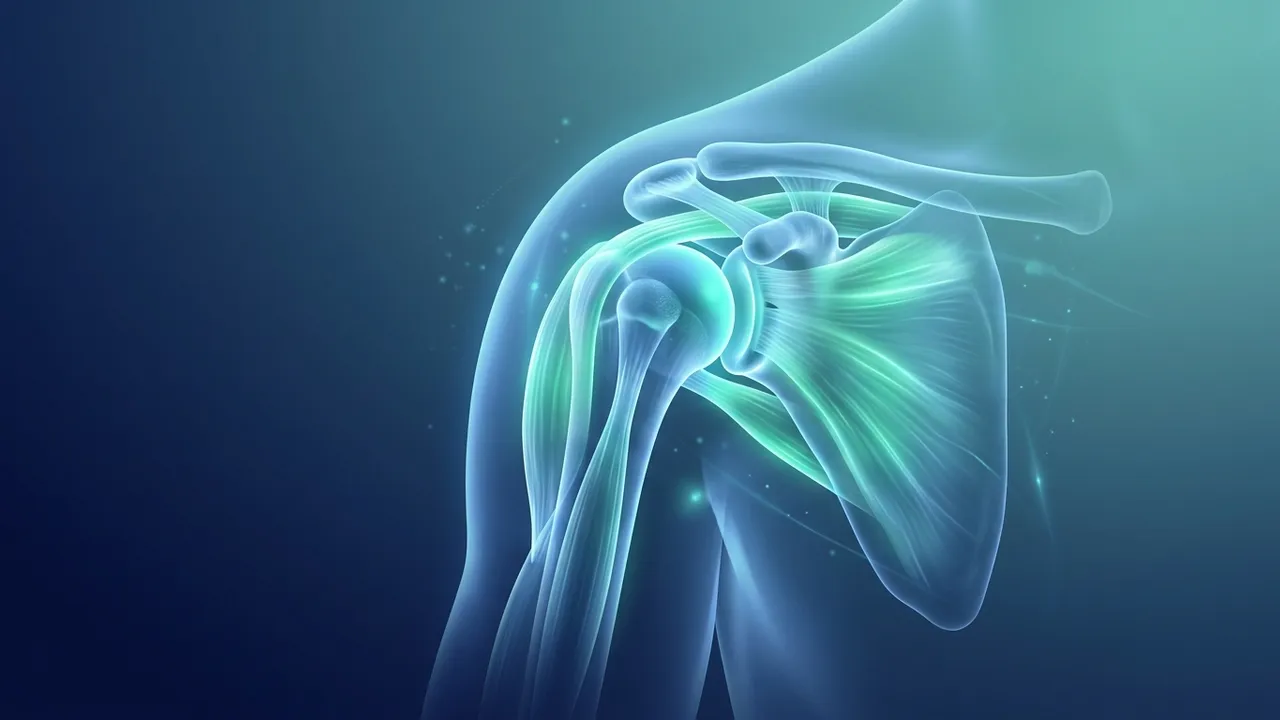
Your hip joint is a “ball and socket” - the ball sits atop your femur, or thigh-bone - this round portion is called the “head” of the femur. The head fits into the socket in your pelvis. The socket fits tightly around like a baseball glove, and the joint is surrounded by a joint capsule made of strong connective tissue. The joint capsule ensures the ball stays within the socket, while your muscles guide the rod of the femur around the socket smoothly to allow full range of movement of the hip.

At least, that is what is supposed to happen!

What can go wrong?

If you ever feel hip pain or catching deep in the front of your hip, you could have femoroacetabular impingement (FAI). Simply, a ‘pinchy hip’.

The movements most often associated with this condition are pulling your knee up, turning it inward or bringing it across your body - especially when all of these are combined at the same time, as seen by the picture below.

What does it feel like?

The pain typically occurs deep within your groin or the front of your hip, though it can affect your outer hip or buttock in rare cases. The joint usually feels stiff and sharply restricted in motion in the directions mentioned above. It may affect only one joint, so it could feel very different to your other hip by comparison. It may come on suddenly after an injury or build up over time with age and joint wear and tear.

Why does it happen? 

The deformation of the bones in the joint could be congenital (from birth) or build up over time in response to overuse or trauma. Some typically affect younger people, especially athletes. If the muscles surrounding the socket - typically the hip flexors and internal rotators - are overused and become tight, the ball is pulled forward in the socket, causing a shrinking of the back of the joint capsule. As the head of the femur is pushed toward the front of the hip and down, it grows larger and further down the bone.

These same factors can build up gradually over long periods of time, typically affecting older people.

Things that aggravate it: What makes it worse?

The movement(s) that cause the bones to knock together will result in a catching pain. If you have hip impingement, you will most likely notice it while:

-Sitting for a long period of time

-Walking, running

-Crossing your legs

-During or after leg exercise

How can physio/Pilates help?

If you think you may have this type of hip pain, see your Physiotherapist for a complete testing and diagnosis. If we suspect you have it, we can do the following such as:

  • applying pressure through your hip joint to stretch out your stiff joint capsule

  • massaging to loosen and release the tight muscles in the area of the hip, especially in the back of the hip and buttock area

  • provide you with a range of exercises to improve the range and control you have in your affected hip. These will help you to draw the ball back and down as you move into triggering positions thereby avoiding bone on bone catching as much as possible.

If necessary, you can consult a doctor to advise on pain and anti-inflammatory medicine, and in severe cases a surgical consult may be a necessary step to ensure best treatment and management of FAI. If surgery is required, your physio will play a vital role in your post-operative care to ensure you make a full recovery.

Exercises for hip impingement

Push the head of the femur back. Lie on your back and lift the knee of your affected leg directly above your hips. Clasp your hands over your knee and push directly down through the line of your thighbone towards the floor. Do two sets of ten, applying firm pressure.

Push the head down, socket out. Stand with your feet wide apart. While keeping your affected leg straight, bend your other knee and fold through the hips, pushing your bottom out as you go. Once you feel the inner thigh of your affected leg stretch, use your hand to firmly press down on your upper thigh - make sure your hand is as high up as possible, near the groin. Do two sets of ten.

Stretch the front of your hip. Kneel on the knee of your affected leg and bend your other leg up in front of you. Rest your hands on either side of your front foot and press your hips forward and down towards the ground. You should feel a stretch across the front of your affected hip, hold it for 30 seconds and repeat.

These mobilising and alignment exercises should be coupled with a precise exercise program of hip and pelvic stability strengthening exercises to optimally return good strength, support and movement control about the hip region.

Join an online class  from the comfort of your home - Katrina the principle physio at The Fix Program has designed a series of Pilates exercise programs that will help you immensely.


10 Mar 2014 BY Katrina Tarrant POSTED IN Back Pain

The truth about back pain

Pop your paracetamol and keep moving

paracetamol

 http://www.smh.com.au/lifestyle/life/the-truth-about-back-pain-20131010-2vah5.html

It appears that as our medical technology and knowledge advances, we may still not be getting the management of back pain right. Over-scanning, over-medicating, over-diagnosing. This seems to be the trend in the diagnosis and treatment of acute back pain in recent times.

Dr Chris Maher in this October 2013 Sydney Morning Herald article explains some of these inappropriate treatments and other interesting conclusions from recent research.

Did you know that 90% of all acute back attacks are ‘non-specific’?

This means they are due to altered postural loads on the back with no injury to back structures such as the joints, ligaments and discs. In other words, they are mostly muscular.

Did you know that over-complicating the care of someone with an acute back episode can actually lead to greater problems long term?

‘Catastrophising’ the diagnosis can have adverse affects on the attitudes to activity and therefore getting better in some. Over-medicating can cause drug dependence. Many unnecessary back surgeries are undertaken.

Did you know that MRI and CT scans will turn up a positive structural change in 33% of all people?

The interesting thing about this? Most will have no symptoms representative of these changes on film.

Did you know that it is now believed that there is a strong genetic component to suffering from back pain?

This is thought so as most other predictors of risk for back pain seem to be weak or inaccurate. This is seen with occupation, health and safety studies where there is little difference in the incidence of reported back injuries between control groups and those having received lifting education in the workplace.

Did you know that most people will suffer from more than one attack of back pain in their lives?

This is not unusual, and should therefore not come as a shock. If this does happen to you, stay calm, manage with mild pain killers and reassure yourself that this is the common trend.

What is the solution to this and also the international evidence-based clinical guidelines? Take mild pain killers such as paracetamol and stay as active as you can. In 90% of cases, this pain will pass within a few days to a week. If pain does linger, consult your physiotherapist for a lending hand.

And, of course, exercises to mobilise and strengthen the important pelvis and spinal postural muscles through Pilates.


10 Feb 2014 BY Katrina Tarrant POSTED IN Exercise

Progressive Relaxation

Learn to take 5 after that exercise session, heavy day at work, or stressful situation (like relocating!)

The Starting Position:

The focus:

  • Lie on your mat, or bolster with your legs out straight in front of you. If you have tight hamstrings, let your knees bend a little so that you are comfortable. Try a cushion under your knees for a truly relaxed leg and lower back.

  • Place your arms wide by your side with palms upward turned.

  • Keep your breathing deep, relaxed and consistent**.**

  • Your muscles and your mind deserve a rest. Rejuvenate and restore after working them hard.

  • This is all about being mindful of your tense spots and learning to let them go.

The Movement:


  • There are many ways to bring your mind and body into a relaxed state, but try this one.
  • Focus on your breathing, the coolness of the air as it passes into your body, making each breath that little deeper. Focus on the movement of your lower ribs and the way they expand wide into the side seams of your shirt. Imagine breathing into the back of your ribs.
  • Soften through your neck and shoulders and try to keep your abdominals relaxed when breathing.
  • Now start your progressive relaxation, starting from your face and working south. Soften through your brow, jaw and tongue, allow your neck to relax and shoulders to widen. Imaging all tension from your upper body running down your arms and out your fingers.
  • Move south to your pelvis and allow your pelvic floor muscle hammock to descend, widen and relax. Melt between your sit bones, letting them to widen. Relax your buttock muscles and through the front of your hips. All tension now from your lower body is trickling down your legs, past your knees and out of your toes.
  • Enjoy your relaxed state for a few minutes. Allow your mind to slow down and any thoughts that enter your consciousness are to be acknowledged and allowed to wash over you.


Tip:

Try adding visual cues such as melting ice cubes or icecream in the sun, or imagining breathing into a point of muscular tension to dissolve it away.


Fix News