
The Fix Program Blog

18 Jun 2018 BY Katrina Tarrant POSTED IN Pilates, Pregnancy, Sydney CBD

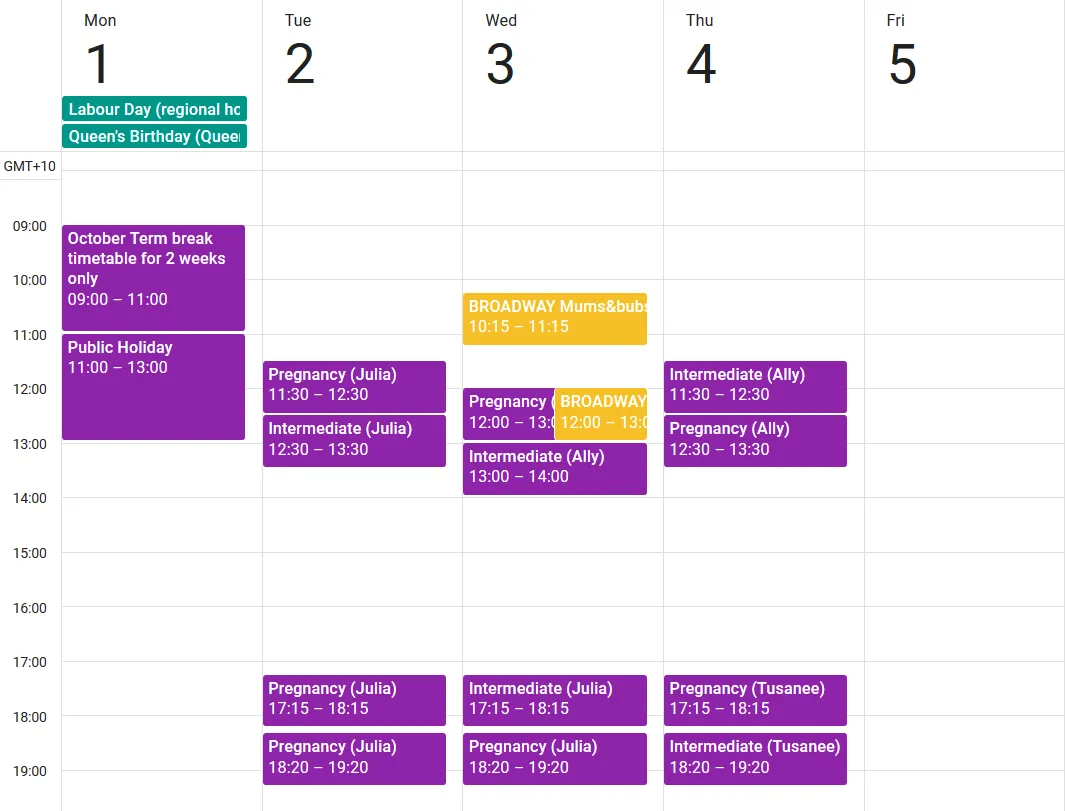
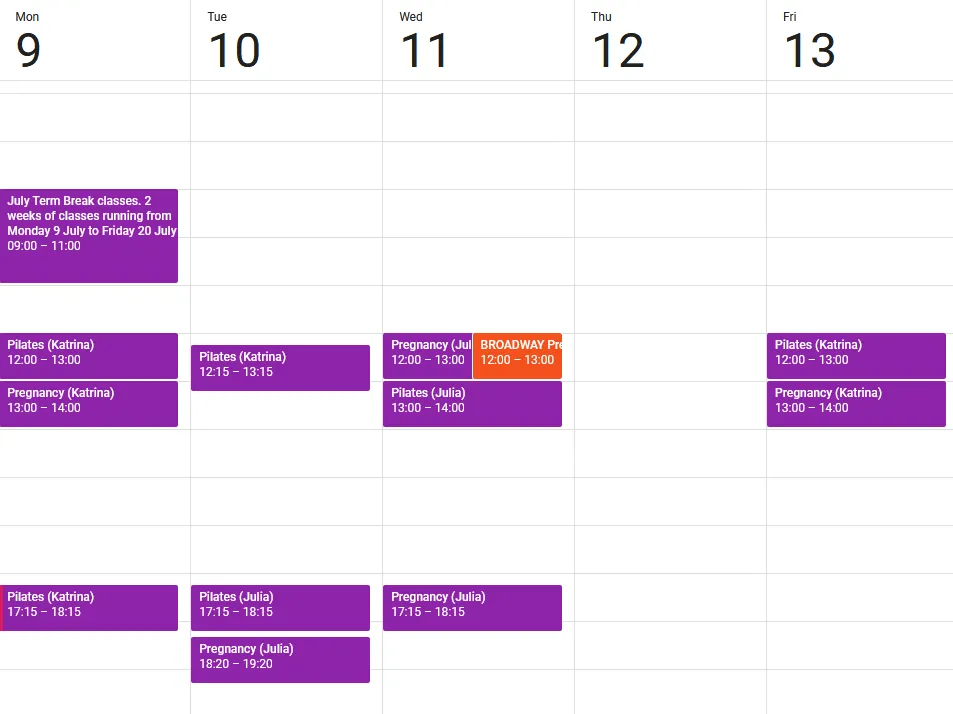
Draft July 2018 Termbreak timetable for CBD and Broadway

Draft ‘July term break 2018’. Timetable is subject to change.

These classes will run for 2 WEEKS in our Sydney CBD and Broadway clinics. Classes will commence from Monday 9th July 2018. 

Classes are recommended and scheduled for:

  • Intermediate/advanced  mixed level Pilates for challenging and functional postural control. These classes are suitable for our existing Pilates clientele currently attending our beginners, intermediate or advanced classes in 2018.
  • Pregnancy specific Pilates. These classes are suitable for our existing pregnancy Pilates clientele currently attending our classes, or have been assessed to be ready for these classes.


3 Jun 2018 BY Katrina Tarrant POSTED IN Physiotherapy, Pilates

Stack and protect your hip joints

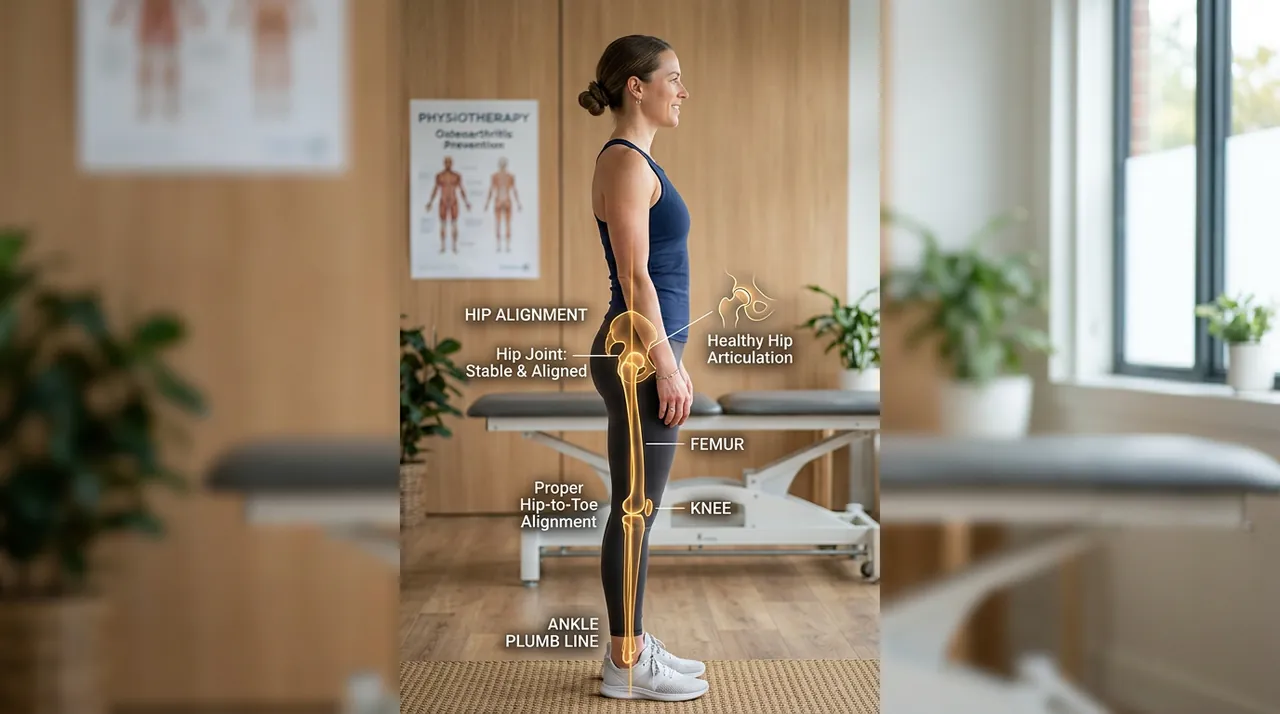
Stack your hip over your ankle to slow the wear and tear of your hip

hip joints

Osteoarthritis (OA) affects almost 1 in 5 Australians, mostly in the 45-65 year old age group. People living with OA have more difficulty and take longer in performing activities of daily living. They have less time available for leisure activities, depend significantly more on family for assistance and spend more money on health care than age matched and sex matched peers.

Knees and hips are the joints mostly responsible for these lifestyle limitations and changes. And surprisingly, there are  many modifiable factors to suffering from OA. These can include obesity, prior injury, joint mis-alignment, poor posture, inactivity, weakness and occupational activities. All can contribute to both the onset and progression of OA-related disability.      

The hip

As a physio interested in the pelvis region and also a runner and sports advocate, I am particularly interested in the hip joint.  The hip joint is housed within the pelvis. This means that our postures around this region have a deep relationship and impact on the alignment and weight bearing ability of the hip. Here are some cool facts about the hip:

  • Did you know? The hip is a ball and socket joint and that within the socket, the bone is more dense and strong right in the middle of this socket, whilst it is weakest at the front. This makes the ideal place to bear weight through the hip with the joint positioned middle, not towards the front.
  • OA of the hip is the erosion of the cartilage and associated pain and joint changes. This usually will occur in the front of the hip socket where the bone is less dense. No surprises there!
  • The alignment of the socket will be determined directly by the tilt of your pelvis. Think of your ‘bowl of water’ for a pelvis. Tip your bowl forward in your postures and your hip  joint will effectively slip forward in the socket (not good as this has your hip sitting in the weaker bony front part of the socket!). Tilt your bowl backwards always in a slump and again, the hip joint will be aligned poorly.    
  • The muscle support and more importantly the balance of this support is critical for holding the ball of your hip in its socket in the ideal place.  Too much strength at the front of the hip and not enough to match through the back of the hip, and you can strike troubles. This is such a common occurrence in the increasingly sedentary and seated adult. Here, butt muscles waste away, and in turn we over use and need our big thighs and front hip muscles. This creates the imbalance, again pulling our hip into the front of the socket and not the middle. More load at the weakest part of the bony hip structure.

**‘Hip- ankle plumbline’:  a great start and wonderful relief for your hip
**

 stack hips

As the hip and its alignment is critical to bear weight in the strongest part of the socket, a simple postural mindfulness in this region will delay wear and tear. Check out these common standing postures above - which one are you? We should all be aiming to look like Mr or Mrs ‘A.’

Here are some tips for standing well and balancing the load into the middle of the hip socket:

  • stand side on to a mirror and place your hip bone directly over your ankle bone, not in front ( common sway backed postural strategy) or behind.
  • look to the pelvic bowl, your postural foundation. Hold it level, not tipped forward ( butt out) or backward (butt under).
  • feel that you are not ‘hanging’ out on the front of your hip region.
  • sense a balanced weight across your feet from front to heel.
  • feel that your waists are gently lengthened on top of this pelvic and hip posture.

Voila!

Simple ‘plumb-line stacking’ of your hip over the ankle whenever you are standing will protect your hip joint. It will awaken muscles in the back of your hip and not leave you hanging with all the hip weight at the front of the weakest and most vulnerable part of the hip.

Fancy that! And all without a squat or lunge in sight!


SRC pregnancy leggings and the proof they work

Bond University studies pregnancy SRC leggings and their benefits to pregnancy back pain

by Nada Radi, women’s health physiotherapist

pregnancy leggings

SRC is an Australian company producing compression wear for pregnancy, post natal, surgery and sports. The Fix Program sell these garments for our pregnant and post natal mums and all love them. Better still, the Australian Physiotherapy Association do too, but what is the evidence behind these? Has there been any scientific research to back the benefits in wearing these compression shorts and leggings?

In 2017, Bond University in Australia investigated the current literature on the effectiveness of pregnancy compression garments like the SRC pregnancy shorts. They found a gap in research in this area which directed them into starting a trial to explore the effectiveness of pregnancy compression garments in the prevention and management of common pregnancy related pains such as back pain, pelvic pain and vulvar varicosities.

Lower back and pelvic pain is a common symptom for pregnant women. Up to 70% of all pregnant women will suffer from back or pelvic pain within their pregnancy period. This is as a result of increased load from a growing baby and loosened pelvic joints from pregnancy hormones. The good news is that in most women, these pains will disappear after labour when baby is no longer within the pelvis and the hormones begin to change again.

Vulvar varicosities (near the vagina and pelvic floor) is another common pregnancy side effect that no-one warns you about! This again can be triggered as a result of increased load of  baby in the pelvis and the effects of progesterone. These varicose veins can lead to debilitating pain. These symptoms can get stronger as pregnancy progresses and can significantly impact ability to perform daily activities.

The Bond University study

The research trial at Bond divided pregnant women suffering from pregnancy back and pelvic pain into two groups. The first group wore the SRC pregnancy shorts, combined with the usual care of physiotherapy, massage and education/postural advice. The second group received only usual care alone. The trial assessed a few outcome measures like pain, disability and body temperature. The outcome measures were assessed at 2, 4 and 6 weeks of the groups receiving their treatment.

The results indicated that the group wearing the SRC pregnancy shorts had significantly LESS pain and disability than the group receiving usual care, whilst being thermally safe to wear as well.  The trial concluded that wearing pregnancy compression garments such as the SRC pregnancy shorts or leggings are an effective way to reduce and manage pregnancy related back/pelvic pain or varicose veins, and improve functional capacity whilst pregnant.

Contact The Fix Program for your free fitting consultation. We stock pregnancy pre-natal leggings and shorts for wearing under your clothes, and also the ever popular recovery post-natal leggings, shorts and now, mini shorts.


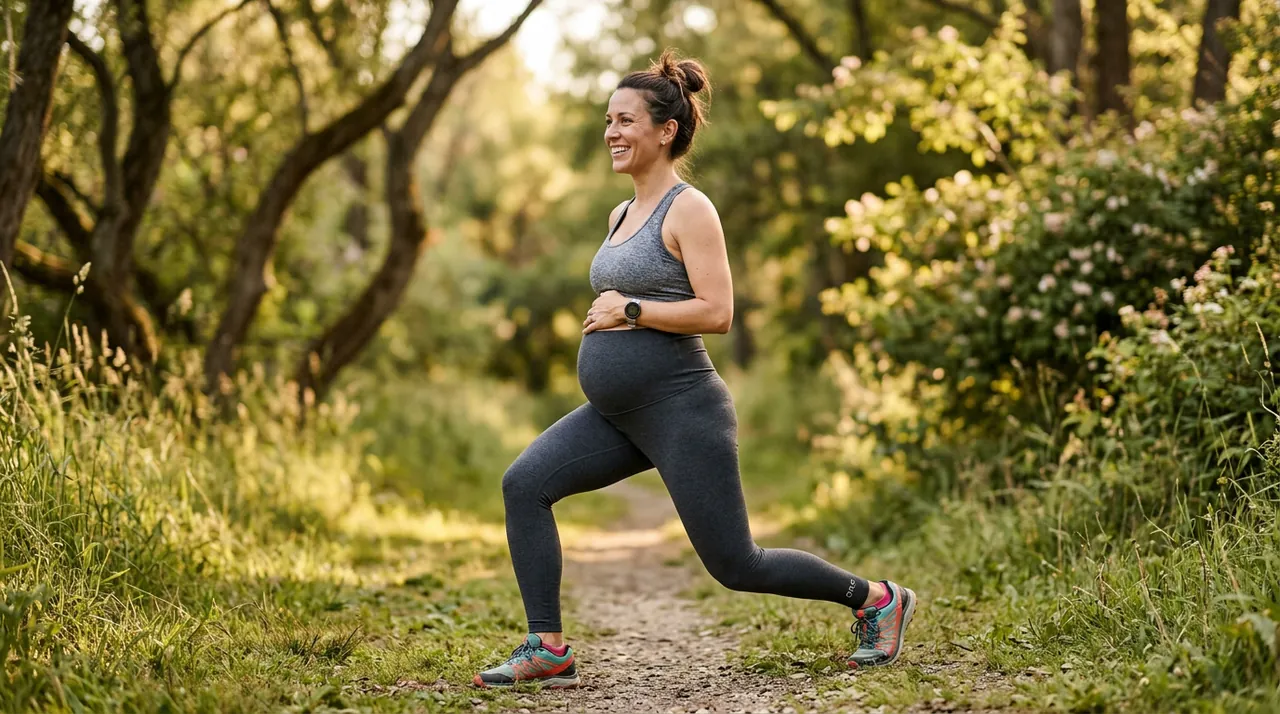
The evidence: exercise is great in pregnancy!

Researched-based reasons why you should be doing exercise throughout pregnancy

by Alina Filipe Nunes, women’s health physiotherapist

 pregnancy and walking

It is known that most pregnant women do not meet minimal exercise recommendations,  however there are a growing number of physically active women who wish to continue training and exercising throughout their pregnancy.

So, are there any benefits in doing exercise during pregnancy?

Here at The Fix Program, our team of physios believe that women should prepare for a pregnancy the same way as an athlete prepares for a marathon. Hence, good nutrition, mindfulness and paced exercise should be part of your preparation to motherhood.

But what are the proved benefits for doing exercise during pregnancy?

 Exercise may shorten the duration of labor

There appears  in the research and literature to be a strong link between exercise and a shorter labor duration. More precisely, a recent study demonstrated that women who exercised regularly during pregnancy saw their labor duration about 30 minutes shorter.

Improved strength of both abdomen and pelvic floor as well improved endurance may be important factors in this association.

Exercise has been proven to reduce the Cesarean section rates

There is strong evidence to support that women who do regular exercise throughout their pregnancy have a lower percentage of Cesarean section and instrumental vaginal deliveries (forceps and ventouse/ vacuum) compared with sedentary pregnancy women. This would translate into a quicker recovery from childbirth.

Exercise assists in controlling and managing gestational diabetes

Studies have shown that a regular exercise program during pregnancy resulted in lower glucose levels and although physical activity may not prevent gestational diabetes, it is known that it may have an important role in its management. Women diagnosed with gestational diabetes at 24 to 34 weeks of pregnancy, who performed resistance exercise, were less likely to require insulin during the remainder of their pregnancy.

Exercise helps manage maternal weight gain

Maternal weight gain seems to be a worry in many women’s mind. We know that a weight gain between 11 and 15kg is expected during pregnancy.

This weight gain during pregnancy is distributed among the following:

  • Baby
  • Placenta
  • Amniotic fluid
  • Breast
  • Fat storage (important for breastfeeding and protection of both baby and mother)
  • Uterus
  • Blood supply

It is known that a healthy weight gain is beneficial for mother and baby and exercise helps in modulating maternal weight gain throughout pregnancy.

Exercise helps managing fetal weight gain

Regular exercise during pregnancy has been proven to reduce the risk of macrossomia (large-for–gestational age newborns) which are concerns with gestational diabetes. It is also known that macrossomia is also linked to pelvic floor injuries during vaginal birth. Therefore, regular exercise during pregnancy may also help in the prevention of perineal or pelvic floor muscle and organ complications post childbirth.

  OK, I’m sold! But what should I be wary of as I exercise when pregnant?

pregnancy pilates

Before engaging in exercise and physical activity during pregnancy, we strongly advise for all women to be assessed by their doctor in order to assess their risk level.

Healthy women considered to be ‘low risk’ regardless of their previous activity level, should be able to do exercise. However there are some conditions which are consider as ‘high risk’, such as

  • gestational hypertension
  • pre-eclampsia
  • ruptured membranes
  • an incompetent cervix
  • bleeding in the second or third trimester
  • multiple gestation at risk for premature labor
  • placenta previa, and
  • premature labor.
  • Based on the baby and the pregnancy women’s condition and history, there may be other risks that may need to be assessed by your physician so it is important that that you get cleared to do exercise.

Historically, pregnant women were considered fragile and many health professionals advised against exercise during the pregnancy months. It was common to even encourage reduced level of activity. Although in more recent times, the recommendations by the medical boards and fields have already been changed and updated. This is based on new and strong research.

If your pregnancy is going well and both you and your baby are healthy, ask your health professional team about the benefits and if you can do exercise.


28 May 2018 BY Katrina Tarrant POSTED IN Exercise, Pilates

The diaphragm, the thorax and our posture

by Julia Newton, physiotherapist

The diaphragm

In our physiotherapy clinic and Pilates classes, you will always hear us harp on about breathing well. This mean breathing with your diaphragm, the most important muscle of breath and for other things! We hope that you get the gist and realise that it is something really important!

So, what is the diaphragm?

The diaphragm is our main breathing muscle. It is a dome shaped muscle that sits at the base of your lungs. Imagine it being like a parachute, which moves down from your ribcage and into your abdomen as you breathe in, and back up into a dome as you breathe out.


via GIPHY

Notice how as your baby or child takes a breath in, the belly rises and lower ribcage expands out to each sides, and then falls back in when breathing out. This is true diaphragmatic breathing. Can you believe that we are all born breathing this way, but as we get older and deal with everyday stressors such as traffic, work and constantly being ‘on the go’, this changes for the worst? We tend to start to breathe more through our chest than diaphragm. Not only is this a less efficient way of breathing and taking in oxygen, but it’s also not doing our backs and necks any favours either! How is this so?

Why is the diaphragm so important in Pilates or in posture generally?

It is an integral part of your postural support system for the trunk.

The diaphragm and breathing well is the start of good ‘core’ or postural control. Have you noticed how your body tenses up during a more difficult exercise, only to then realise that you were either holding your breath or taking shallow breaths? This is why for each Pilates exercise, there is always a breath in or out to accompany that movement. Your diaphragm is connected to your deep abdominals and pelvic floor via connective tissue. So the more awareness you have over diaphragmatic breathing, the more control you can obtain over your deep abdominal and pelvic floor activation. This will then provide you with more stability through your back and trunk. It will make your movements more efficient. This will allow for you to challenge your strength and endurance more. A win, win result!

_It is an important contributor to thoracic and rib movement and flexibility.
_

Quite simply, a breathing strategy that asks your ribs to expand will keep the upper trunk more mobile. This combats the stiffening of the upper back most of us experience with poor posture, sedentary work practices,  or even lack of exercise. And, a mobile upper trunk will help alleviate the stresses through both of the neck and lower back, potentially decreasing our pains, aches and tension in these regions of our spine.  

Who would have thought that just breathing through the diaphragm can have such a profound effect?

How can I breathe better using my diaphragm?

Firstly, simply take a moment now to notice how your natural state of breathing is. Place one hand on your chest, the other on your stomach. Which one moves more? You may even find this has a calming, meditative effect on your body as well – an added bonus! If you are breathing predominantly through your chest, this is most likely a learned habit, or could also indicate there is some stiffness/restrictions of movement in your upper back or thorax.

 If you think you are a chest breather, try to breathe ‘deep and wide’, feeling the abdomen swell and expand and the ribs shift sideways. This would be a good start to break and chest breathing pattern and habit. Classes like Pilates and Yoga can also get you learning the diaphragmatic breath. It will one day become your natural breathing habit but this will take time.

In our next  fix newsletter, Julia will expand on this for more ways to incorporate diaphragmatic breathing into everyday life. Alternatively, feel free to chat to our physios at The Fix Program in the meantime.


29 Mar 2018 BY Katrina Tarrant POSTED IN Pilates, Sydney CBD

Draft April 2018 term break Pilates timetable for CBD and Broadway

Draft ‘April term break 2018’ timetable is subject to change.

These classes will run for 2 WEEKS in our CBD and Broadway clinics. Classes will commence from Tuesday 17 April 2018. 

Classes are recommended and scheduled for:

  • Intermediate/advanced  mixed level Pilates for challenging and functional postural control. These classes are suitable for our existing Pilates clientele currently attending our beginners, intermediate or advanced classes in 2018.
  • Pregnancy specific Pilates. These classes are suitable for our existing pregnancy Pilates clientele currently attending our classes, or have been assessed to be ready for these classes.


29 Mar 2018 BY Katrina Tarrant POSTED IN Pilates, Sydney CBD

Draft Term 2 2018 Broadway Pilates timetable

Your draft ‘term 2 2018’ Broadway Pilates timetable is subject to change.

The Mums&bubs classes will run for 6 WEEKS (less of a commitment!), whilst our Intermediate and Pregnancy classes will run for 10 WEEKS. These are all on in our Broadway clinic, within the Fernwood Ladies Gym.

Classes will commence from Tuesday 1 May 2018.

 Classes for this term are recommended and scheduled for:


29 Mar 2018 BY Katrina Tarrant POSTED IN Pilates, Sydney CBD

Draft Term 2 2018 CBD Pilates timetable

Your draft ‘term 2 2018’ Pilates and Yoga timetable is subject to change. These classes will run for 10 WEEKS in our York St, CBD clinic. Classes will commence from Monday 30 April and end Friday 6 July 2018.

We note that the Queen’s birthday public holiday falls on Monday 11 June, and therefore, Monday classes will run for a 9 week term only ( this class will be removed from fees for these attendees).

Classes for this term are recommended and scheduled for:

  • Beginners Pilates for those new to postural strength and awareness, or want to get back into safe and mindful exercise after a break or injury.

  • Intermediate/advanced level Pilates for challenging and functional postural control for those having completed our Beginners program.

  • Pregnancy specific Pilates

  • Mums&Bubs post natal Pilates. Safe and fun with baby when you really want to be sure your exercise is safe as a brand new mum 


'Actively sit' and untuck your tailbone

I recently read a great article by a little unknown movement coach in the US. She was speaking about the need for us humans to ‘untuck our tails.’ This resonated loudly with my role as a physio, posture and movement coach.  She explored the many positive reasons we should sit better than we all do. Sitting with a great pelvic foundation not only improves posture, but also decreases the risk of poor pelvic floor muscle health, cell health and even biochemistry!

You can read her article here, but here are a few of her wonderful points worth pondering as we go about our days sitting in such poor postures.

  • It is very apparent that we are living in a world where tucking the tailbone under is highly encouraged. You only need to think of our furniture and the increasing time we spend sitting these days. You know the type- the comfy sofa that allows you to sink in low and promote a slump in the spine. This is the same as having the ‘pelvic bowl tipped backwards’, or the tailbone tucked under. We were never designed to be seated as much as we are in these modern times.

  • The purpose of the tailbone is to allow the pelvic outlet in our pelvis to be open or closed. The coccyx in a human is the very small remnant of our predecessors and their mammalian tail. When this coccyx is untucked such as with correct posture or in standing, it lengthens and opens the bottom of our pelvis where the pelvic floor muscles live. When the coccyx is tucked, it shortens or closes this same outlet region.

  • Here is the amazing and often overlooked impact of this on the pelvic floor strength and function. When the pelvic outlet is shortened, so too will be the pelvic floor sling of muscles that suspends from the pubic bone at the front of the pelvis to the tailbone.
    This shortened position of the pelvic floor, day in, day out from poor sitting postures will cause the muscles here to become short, tight and weak. Weak, you say? YES. A short and tight muscle cannot contract efficiently or optimally. This creates a weakness and possible pelvic floor dysfunction. This could include incontinence, prolapse, pain, or sexual pain. There is also the more subtle but significant knock-on effect to the workings of the ‘core muscle system’ for spinal and postural support and alignment.

  • A shortened and tight pelvic floor loses its elastic trampoline like support for the pelvic organs. Simply standing and spending more time untucking your tailbone can allow for your pelvic floor to lengthen to relax and to not be so tense. To act as it is intended.

  • Aging, menopause, pregnancy and childbirth are too readily blamed for pelvic floor dysfunction and the symptoms that come with that. They certainly do play a part, but the long term effect of poor posture on the pelvic region is not to be overlooked.

The take home message

  • Simple postural day to day changes can have a long lasting positive effect on pelvic health.
  • Stand more. When there is a choice between sitting or standing, choose to stand. When sitting, choose a better chair.
  • When in your sitting posture, sit on your sit bones and not your tailbone. Think of the level pelvic foundation position whenever you can.
  • Believe that a tense muscle is NOT a strong muscle. Learn to let go of your pelvic floor
    tension like you would let go of your tight shoulders and neck.
  • Squat more rather than bending over.
  • Move more.
  • Vary your movements day to day so you are not always in the same patterns of movement and muscle activation.

14 Dec 2017 BY Katrina Tarrant POSTED IN Pilates, Sydney CBD

Draft Term 1 2018 Broadway Pilates timetable

Your draft ‘term 1 2018’ Broadway Pilates timetable is subject to change. These classes will run for 11 WEEKS in our Broadway clinic, within the Fernwood Ladies Gym. Classes will commence from Monday 29th January and end Friday 13th April 2018.

 Classes for this term are recommended and scheduled for:


Fix News