The Fix Program Blog

11 Aug 2010 BY Katrina Tarrant POSTED IN Exercise

Compression Exercise Gear - Are there really any Benefits?

With the running and fun run season in full swing, I have noticed an increasing trend for both girls and guys to wear compression gear under their running shorts. I have often wondered what the evidence suggests in the benefits of doing so. I came across this article reviewing recent studies from highly reputable Medical and Sports Journals. It is always helpful and safer reviewing all of the literature currently available in an unbiased look and I feel that this author has done quite a good job.

All in all, it looks like the jury is still out on the compression gear’s manufacturer’s claims of “less injury risk and better performance”, but then again, there are no detrimental effects in wearing the gear and many anecdotal reports from athletes on experiencing less muscle soreness after exercise.

Happy reading.

http://www.amateurendurance.com/injury-topics/compression-gear-fact-vs-fiction/


11 Aug 2010 BY Katrina Tarrant POSTED IN Back Pain, Exercise

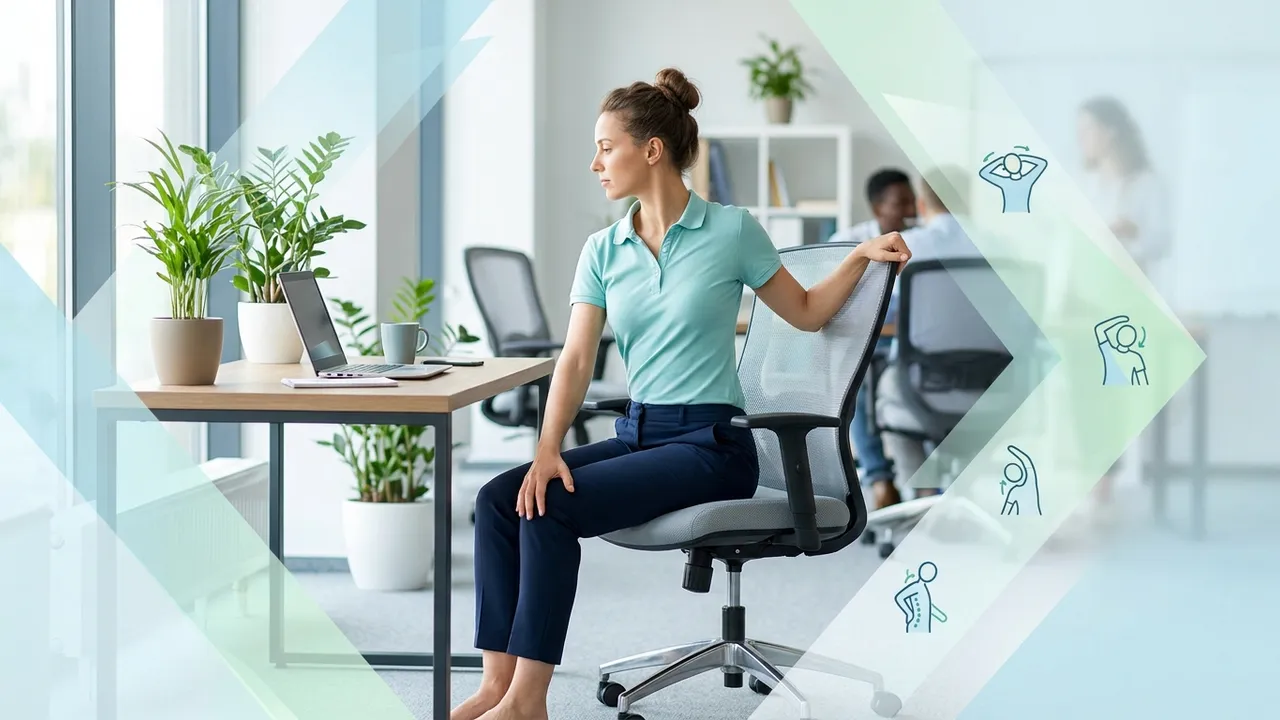
Stretches and wellbeing when on those Business Trips

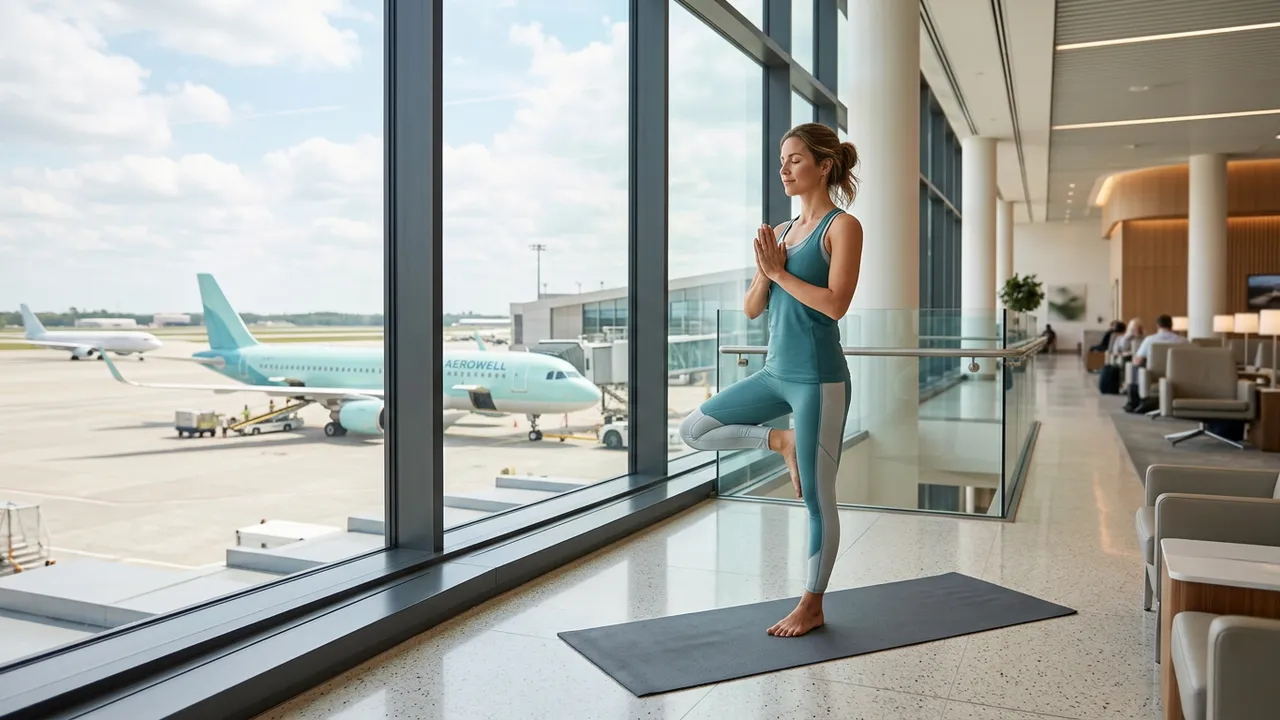
I know that a lot of you spend much of your time travelling for work. This means long flights, stiff backs, poor sleep patterns and a general lack of routine. This can be hard on the body and the mind.

This May 2010 newspaper article form the NY Times desribes the changing face of some American airports with mediation and yoga practice rooms, and walking tracks inside the terminals of some airports for facilitation of exercise. An interesting concept that could catch on and certianly has its positives. If you can follow the yoga stretch instructions at the conclusion of the article, these are good inflight stretches to prevent or ease back and neck pain. 

Remember that even a little exercise will help in those travel times away from home.

http://www.nytimes.com/2010/05/06/business/06YOGA.html?ref=nutrition


31 May 2010 BY Katrina Tarrant POSTED IN Sydney CBD

2010 Term Dates

With the announcement of the new term and class structure, here are the remaining term dates for 2010.

                          Term 3       19th July - 24th September (10 weeks)

                          Midterm      23rd August - 29th October (10 weeks)

                          Term 4       11th October - 17th December (10 weeks)

                          Midterm      8th November - 17th December (7 weeks)


31 May 2010 BY Katrina Tarrant POSTED IN Sydney CBD

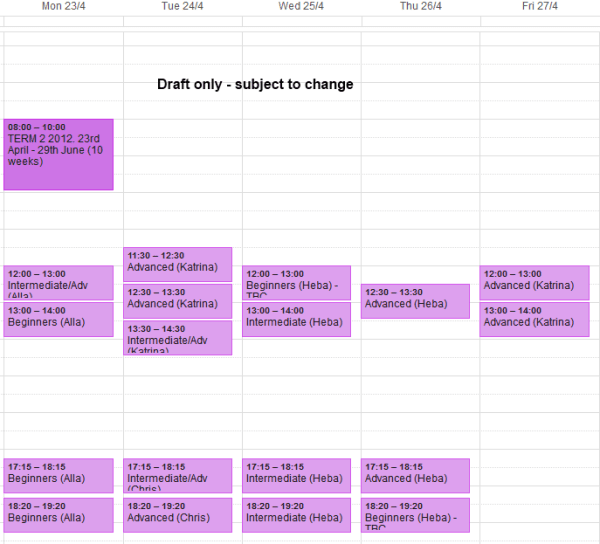
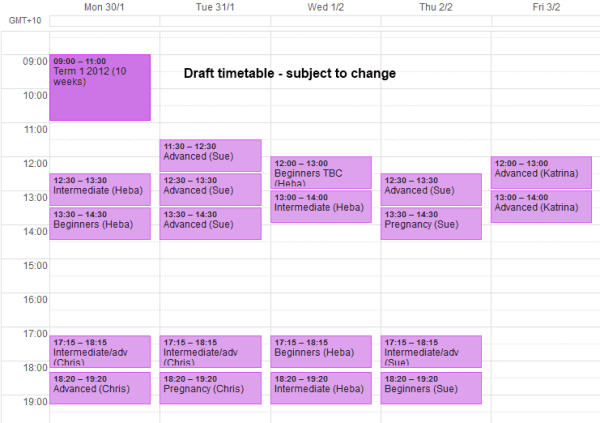
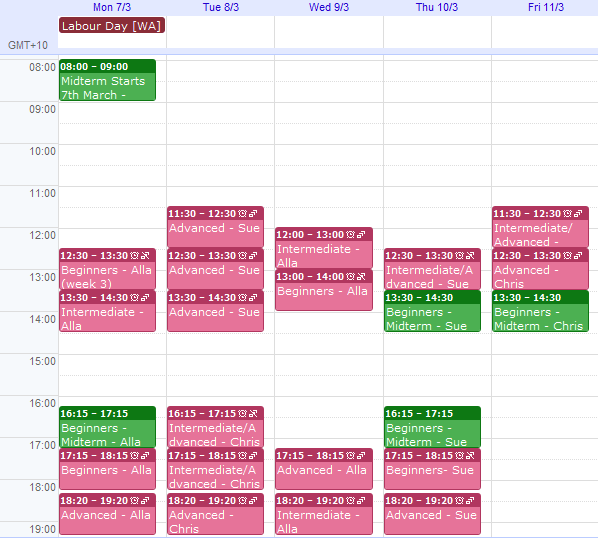
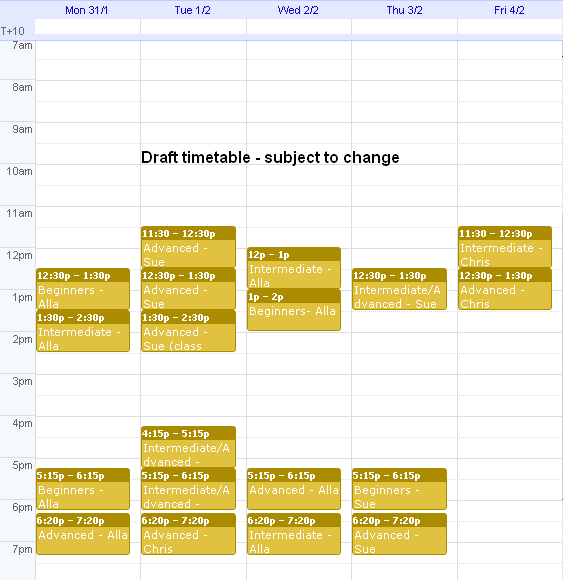
June 2010 - Timetable Changes at Fix CBD

There are a few changes to occur at the CBD branch for our up and coming term 3. In summary, these are:

  • introduction of a new “peak” and “off peak” class arrangement - off peak classes will be introduced at 11am, 11.30am and 4.15pm Monday - Friday to accommodate for the influx of  new enrolments this year
  • existing classes scheduled at 12pm, 12.30pm, 1.30pm, 5.15pm and 6.15pm will be considered “peak” times
  • all classes will remain one hour in length and terms 10 weeks long ( unless otherwise stated)
  • there will be a new term start date every 5-6 weeks, in place of the usual 10-12 weeks, giving you more choice when to commence your 10 week terms
  • there will be a price rise effective 19th July (term 3) - new prices will be :

                      $390 Beginners 10 week term

                      $320 Intermediate and Advanced “peak” 10 week term

                      $290 Intermediate and Advanced “offpeak” 10 week term

                      $98   Assessments and hour long individual consultations


28 May 2010 BY Katrina Tarrant POSTED IN Pilates, Pregnancy

More about the Pelvic Floor

As you are most probably aware from your time at fix, the pelvic floor at the base of the “pelvic bowl” is an important component of your classes. We strive to increase your general awareness and strength of it so to improve your back and pelvic stability.

The pelvic floor as a sling, however has several roles- postural stability, continence and sexual function. There are many methods in training the pelvic floor. At fix, we lean towards the training of the pelvic floor for spinal,pelvic and postural stability. This emphasis has the main goals of improvement of your awareness, appropriateness of contraction and timing of contraction in different positions or postures. We know that these goals are what will better support your lumbo-pelvic stability and decrease the risk of injury in the back and trunk.

There are however, other ways to train the pelvic floor, with more of a lean towards the continence side of function. This website for your girls(with the link below) is one of those, and explains very clearly the “dos and don’ts.” As you read through it, you will see that this training is not much different- if at all- to what you are used to at fix.

http://www.mumzone.com.au/pregnancy/how-to-do-pelvic-floor-muscle-exercises-correctly/

Boys, there is less literature around about your pelvic floors by comparison , however we know that you too also need to attend to your pelvic floor exercises daily.

It is good to know that by training the pelvic floor (like at fix in as far as the timing of the contractions before movement and building on endurance), ALL functions of the pelvic floor will improve -postural for your back pain, continence now and in the future and for sexual function.

If you have any concerns about your pelvic floor, speak to your physio. Pelvic floor dysfunctional is common but is not normal. And it can be treated!


26 May 2010 BY Katrina Tarrant POSTED IN Sydney CBD

Why not attend a fix class twice per week?

As the evidence suggests and proves, strength training and the effects from it are best maximised if your muscles are challenged 3-4 times per week. This means you really do need more than your one class per week to maximise the benefits. 

At fix CBD recently, there has been a definite trend to attending twice per week. If you have been considering it, now it is a great time as we are offering many more classes across the week. Speak to Katrina or your instructor about it as we can offer you reduced rates for your 20 week term. You can still apply for your private health rebates on all of these classes up to the limit of your cover.


25 May 2010 BY Katrina Tarrant POSTED IN Exercise

The Mystery of Cramping

Cramps are extremely common and noone really knows what is the correct advice to give on how to manage or even cure them. There are many theories, from dehydration and electrolyte imbalance to neuromuscular imbalances in the fatiguing muscle. However, none of these theories have been clinically proven to be the cause. Read on in this article from the NY Times Health Magazine. I’m sorry to say- there is no magic cure here! But still an interesting read.

http://www.nytimes.com/2008/02/14/health/nutrition/14BEST.html?scp=38&sq=&st=nyt


17 Feb 2010 BY Katrina Tarrant POSTED IN Back Pain, Physiotherapy

Laptops and the Concerns about Good Workplace Ergonomics

Laptops were never designed for long term use however by 2011 they are expected to represent 66 per cent of corporate purchases and 71 per cent of the consumer market. Falling prices, technological improvements and the increase in “hotspots” are the main factors driving these sales.

In the 1970’s personal computing desktop devices integrated the screen and keyboard into a single unit. When the first ergonomics design guidelines were written they unanimously called for separation of the monitor and keyboard.

This was because a fixed design violates a major ergonomic principle of being able to arrange the different components specifically for the user. With the keyboard and monitor connected when the keyboard is in the correct position for the user the monitor is not, if the monitor is optimal the keyboard isn’t. Laptops also incorporate an input device which can create further issues.

For occasional use and when working for short periods these ergonomic shortcomings may only be experienced as discomfort however full time laptop users need to ensure they are not hunched over in an awkward position and this requires external equipment.

* Position your laptop screen on the desk in front of you at a height that allows you to see the screen without bending your neck. This can be achieved by using either a laptop stand or a Docking Station.

* Connect an external mouse and keyboard to your laptop and place them on the work surface so that your hands/wrists are straight with your elbows by your side

* You will now be able to position Monitor, Keyboard and Mouse as you would a normal desktop in order to achieve the best working posture.

Speak to your Fix Program Physio to assist you in finding you the correct equipment for your improved laptop working environment. A small cost now to invest in the future of an improved posture and a happy pain free neck and back.

The following links can give you an idea of the solutions out there if you regularly use a laptop computer.

http://www.standit.com/

http://www.auzspec.com.au/s174558392_Laptop+Solutions.html


17 Feb 2010 BY Katrina Tarrant POSTED IN Exercise

Swissball stunts - Do not try this at Home

Not working hard enough at your Fix classes?

If you are a fan of youtube and have some spare time on your hands, check out AJ Bear, world class skiier from America on his. I must admit his pelvic control and stability is not ideal, but he is still quite impressive with his overall balance.


17 Feb 2010 BY Katrina Tarrant POSTED IN Exercise

Warming Up Before your Game- The New Truth

We often are asked about the best way to warm up prior to your game of soccer, tennis, netball or jog. There is a recent shift away form the old ways of thinking as scientific evidence regarding stretching builds up. Below is the link to a very interesting read about stretching from the New York Times “Play” Sports Magazine back in November 2008.

http://www.nytimes.com/2008/11/02/sports/playmagazine/112pewarm.html?_r=1&em&oref=slogin

The article highlights short comings in the old practiced sustain hold (up to 30 seconds) stretches before exercise, citing evidence that this actually can increase your risk of injury through neural inhibition of the muscle. Neural inhibition “switches off” a protective reflex that can prevent muscular tears and sprains of the joints supported by those muscle systems. Some research states that these long hold stretches can reduce the muscles strength by up to 30% and can last up to 30 minutes after the stretching has taken place – time you actually are wanting your muscles at their optimum “readiness” in your game. There is even a documented “cross-over effect” to the same muscles but on the opposite limb due to these neural changes around the muscle.

“Warming up” is now heading towards a “dynamic muscle stretching” process by where the muscle’s “readiness” for exercise is brought about through increased blood flow to the muscle and compliance through the fibres and tendons. This is achieved through moving the muscles through stretches. Start with a light jog and then move into “sports specific” movements such as lunging, running side to side, running backwards, kicking and swinging the legs or arms side to side. Do this immediately before you run onto the court or field, so your muscles are prepared for the demands you are about to place on them.

Thanks to Jan M. who forwarded me this interesting article.


Fix News