Pilates during pregnancy is among the best-evidenced ways to stay strong, mobile and comfortable — provided it’s modified for each trimester and led well.
I’m Katrina Tarrant, principal physiotherapist at The Fix Program in Sydney CBD, and pregnancy pilates is our speciality — in the studio and through the online pregnancy pilates classes we designed for women who can’t join us in person. This guide covers what pilates actually does for a pregnant body, how to modify by trimester, and the difference between a class led by a physiotherapist and one that’s simply “pregnancy-friendly”.
Why pilates during pregnancy earns its reputation
Pregnancy changes your body month by month. Pilates is how you keep up with it.
The changes are predictable — which means the preparation can be too:
- Your core and pelvic floor carry increasing load. As the baby grows, your abdominal wall stretches and your pelvic floor works overtime. Pilates trains both systems to stay supportive instead of strained.
- Posture takes a beating. The growing bump shifts your centre of gravity, your lower back arches, and your shoulders round. Pilates strengthens exactly the muscles that hold you upright under a load that changes weekly.
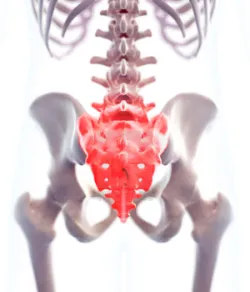
- Balance and stability shift under your feet. Hormones like relaxin loosen ligaments in preparation for birth — wonderful for delivery, less wonderful for your sacroiliac joints and pelvis. Controlled, low-impact movement trains stability without shock-loading.
- Birth is an endurance event. Labour asks for leg strength, hip mobility, breath control and the ability to relax specific muscles on demand. A well-designed pilates program practises all four.
The research consensus is clear: for most pregnancies, regular moderate exercise reduces back pain, may improve labour outcomes, and supports postnatal recovery. Pilates is one of the few exercise forms that scales safely across all three trimesters — when it’s modified properly.
Modifications by trimester
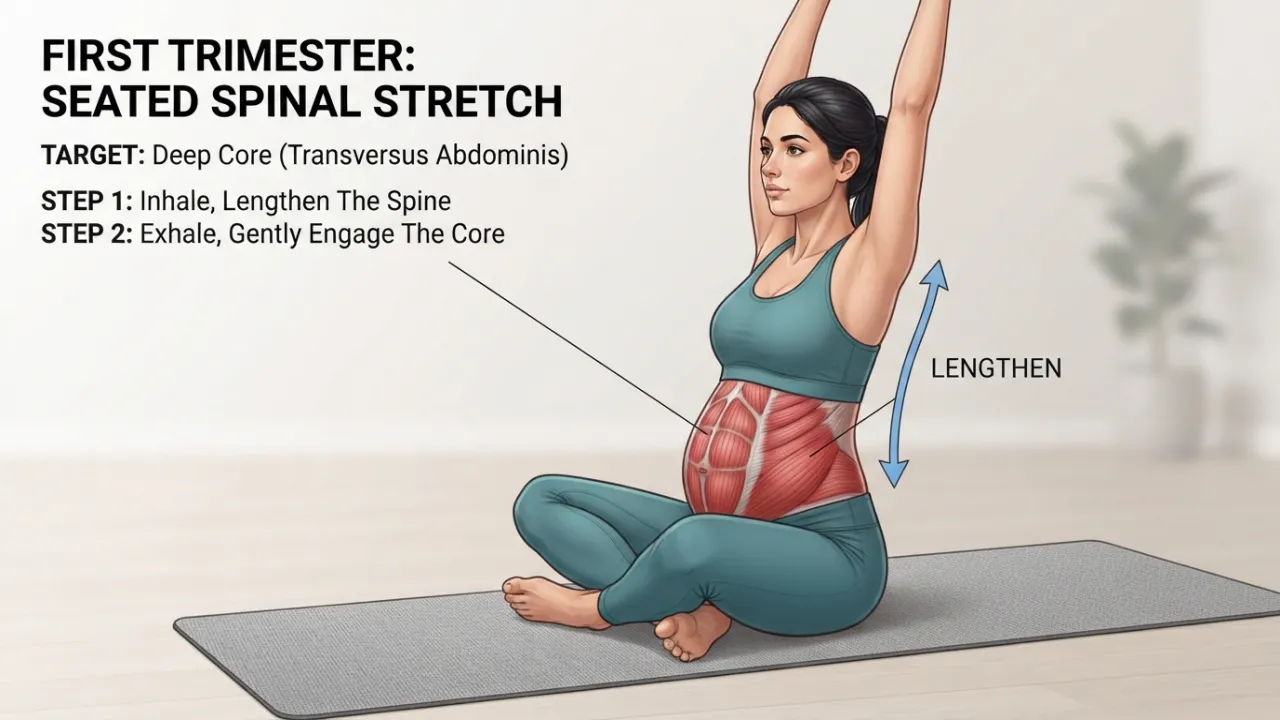
First trimester — build the habit, keep it moderate. If you already do pilates, you can usually continue your normal routine with two changes: skip any breath-holding or maximal effort, and add rest before you feel you need it. If you’re new to exercise, this is a lovely time to start — fatigue and nausea are the real constraints, so shorter sessions on better days beat a rigid schedule. Our guide to exercising in the first six weeks after baby shows where this is heading.
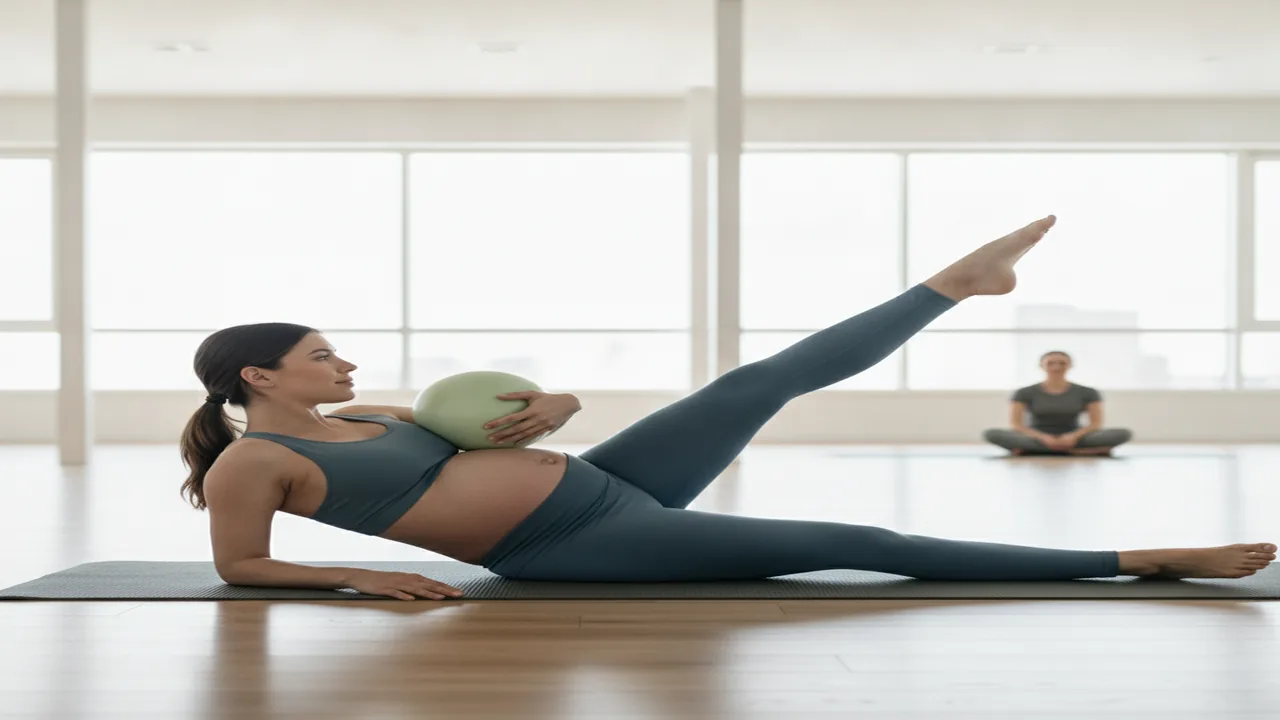
Second trimester — the golden window, with new rules. Energy typically returns, but two mechanical changes arrive: your centre of gravity shifts, and lying flat on your back for long periods becomes unwise (the uterus can compress the major vein returning blood to your heart). From roughly 16–20 weeks: avoid supine exercises, or keep them very brief with a wedge under your right hip; expect balance changes in standing work; and swap front planks for side-supported and four-point kneeling versions.
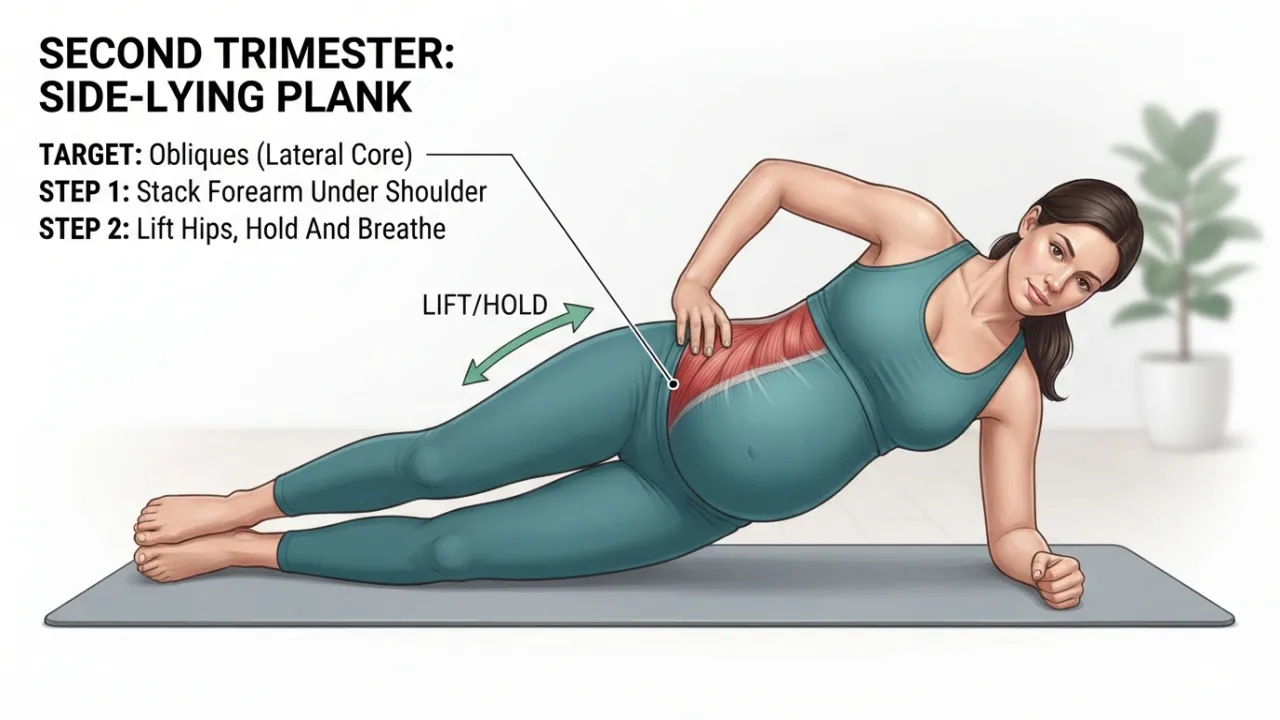
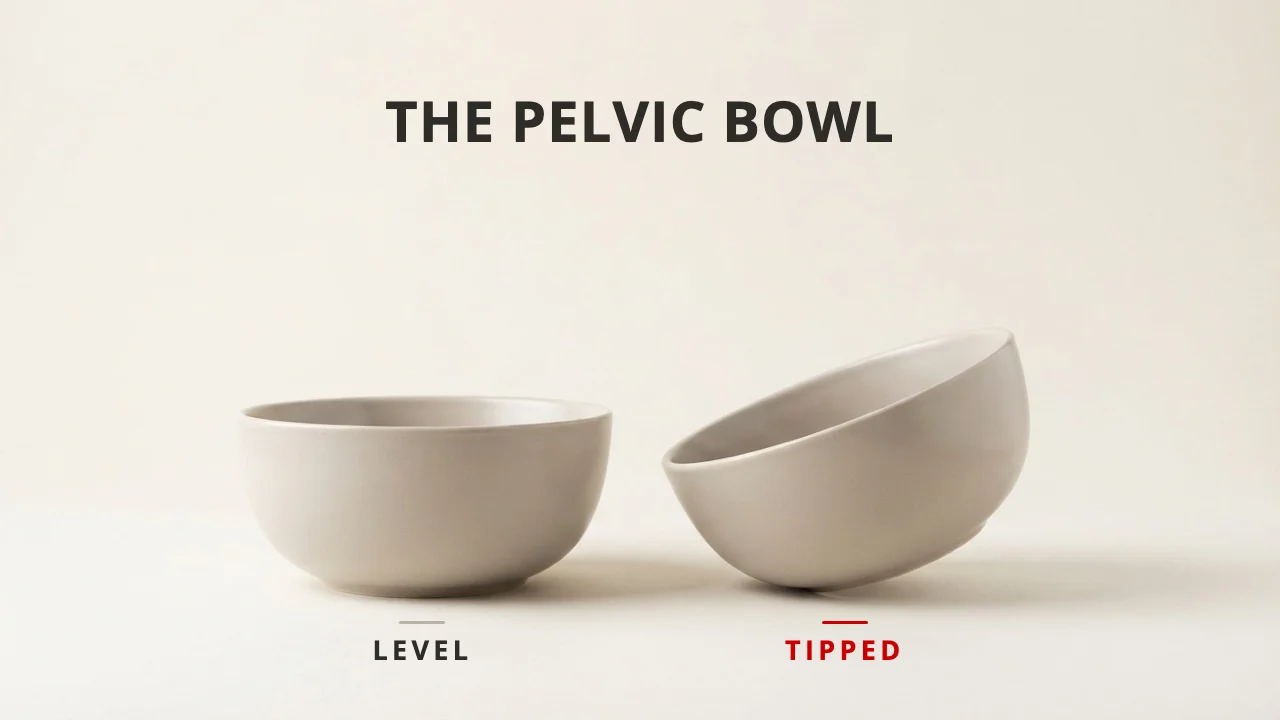
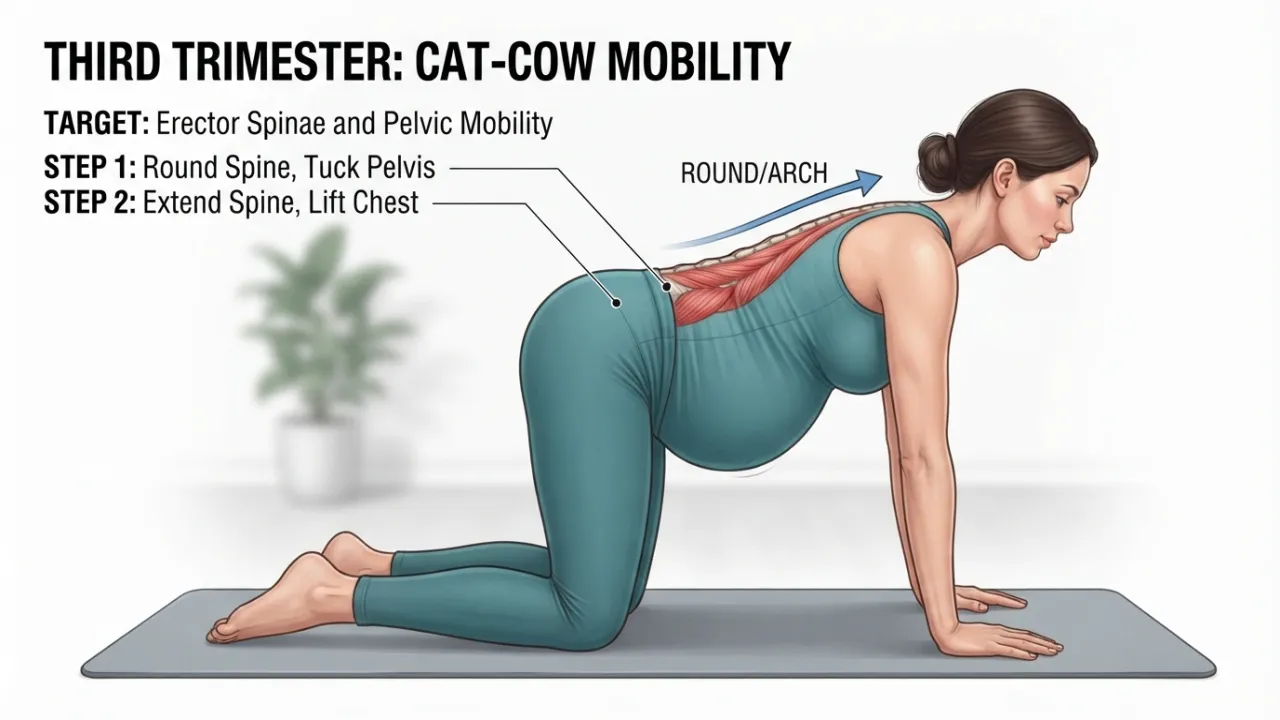
Third trimester — support, shorten, simplify. The bump changes everything: your ribcage flares, your centre of gravity moves further, and the pelvic floor is working hard just holding everything up. This is the trimester for side-lying work, standing and kneeling strength, pelvic mobility (cat-cow, gentle rotations), and shorter sessions more often. Pelvic girdle pain is common now — if you’re getting it, that’s a physio conversation, not something to push through.
Every trimester: stay hydrated, keep intensity at “can hold a conversation”, and treat rib pain, back pain or pelvic pain as information, not something to override.
What to look for in a pregnancy exercise program
Not all “pregnancy pilates” is equal. The difference usually isn’t the exercises — it’s who’s behind them.
A physio-led program will:
- Screen before it prescribes. A physiotherapist assesses your pelvic floor, abdominal wall, and movement patterns before loading them — and adapts for your history (back pain, girdle pain, previous birth, caesarean).
- Know the contraindications. There are genuine red flags in pregnancy exercise — dizziness, bleeding, leaking fluid, regular painful contractions, and conditions like placenta praevia where certain exercise is off the table. A physio-led program knows where its limits are and when to hand you to your obstetric team.
- Progress and regress in real time. The right exercise at 14 weeks is the wrong exercise at 34. Physio-led programming adjusts by trimester, by symptom, and by how your body actually responds — not by a fixed playlist.
- Prepare you for birth and beyond. The point isn’t just a comfortable pregnancy — it’s a pelvic floor and core that know how to work for delivery and recover afterwards.
A general fitness instructor class can be lovely for movement and motivation — but it isn’t built to screen, modify for complications, or recognise when something needs a clinical eye. If you’re pregnant and investing your time, invest it in programming designed by someone who assesses pregnant bodies for a living.
Try our online pregnancy pilates program — designed by physiotherapists
Every class in our online pregnancy pilates category is designed and led by physiotherapists, organised by stage so you’re never guessing whether a class is right for your trimester. Start with the free pregnancy workout and feel the difference physio-led programming makes.
Prefer to be in the room? Our pregnancy pilates classes run at the Sydney CBD studio, and our physiotherapy team (see pregnancy physiotherapy) assesses and treats everything from pelvic girdle pain to birth preparation. No referral needed.
When to stop and call your physio or doctor
Exercise in pregnancy should feel like work, never like warning. Stop and get assessed if you notice:
- Dizziness, headache or chest pain
- Calf pain or swelling on one side
- Leaking fluid or bleeding
- Regular painful contractions that don’t settle with rest
- A noticeable change in your baby’s movement pattern
The pregnancy physiotherapy team at our George Street studio can assess anything that’s worrying you — no referral needed.
The physio’s bottom line
Pregnancy pilates, done properly, is preparation — for the birth you’re planning and the recovery that follows it. Modify by trimester, respect the red flags, and let someone with clinical training guide the progression. Your future postnatal self will thank you for it.
Try the online pregnancy pilates program — or book an assessment and let us design the plan with you.